
The Imperial Cameral House
Alternativni nazivi: National Museum of Art Timișoara / War Treasury House / Principal Military Treasury
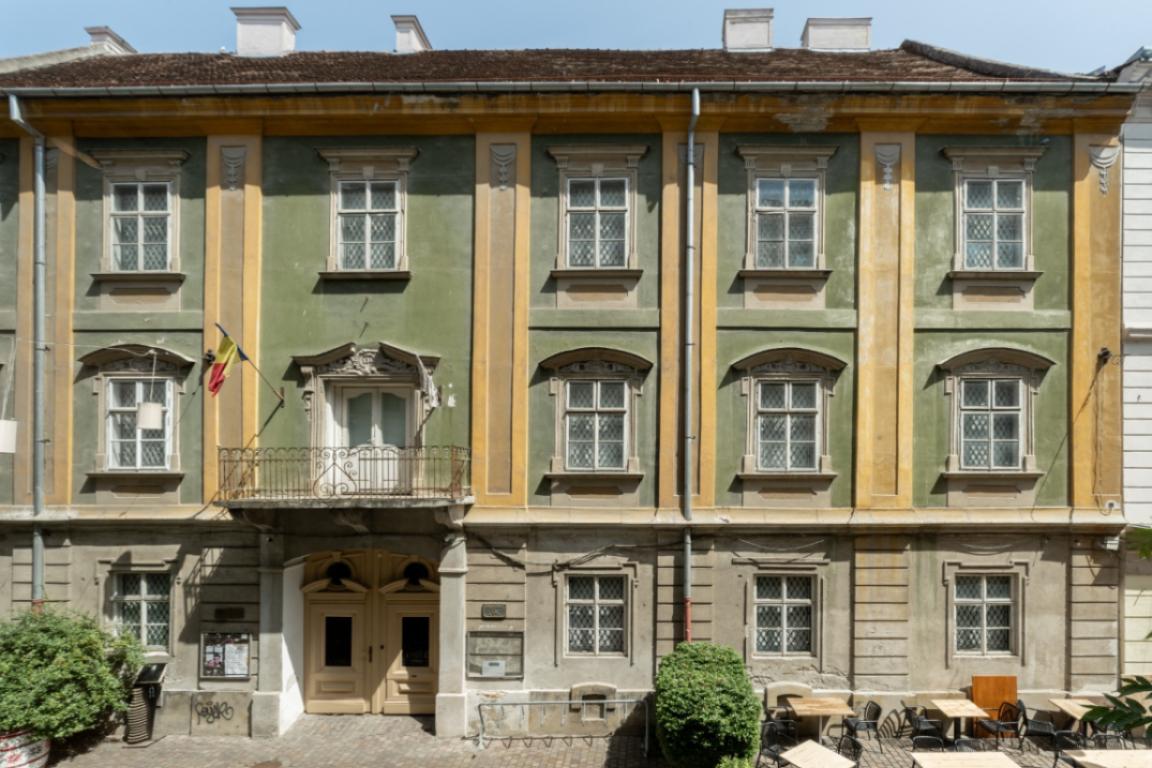
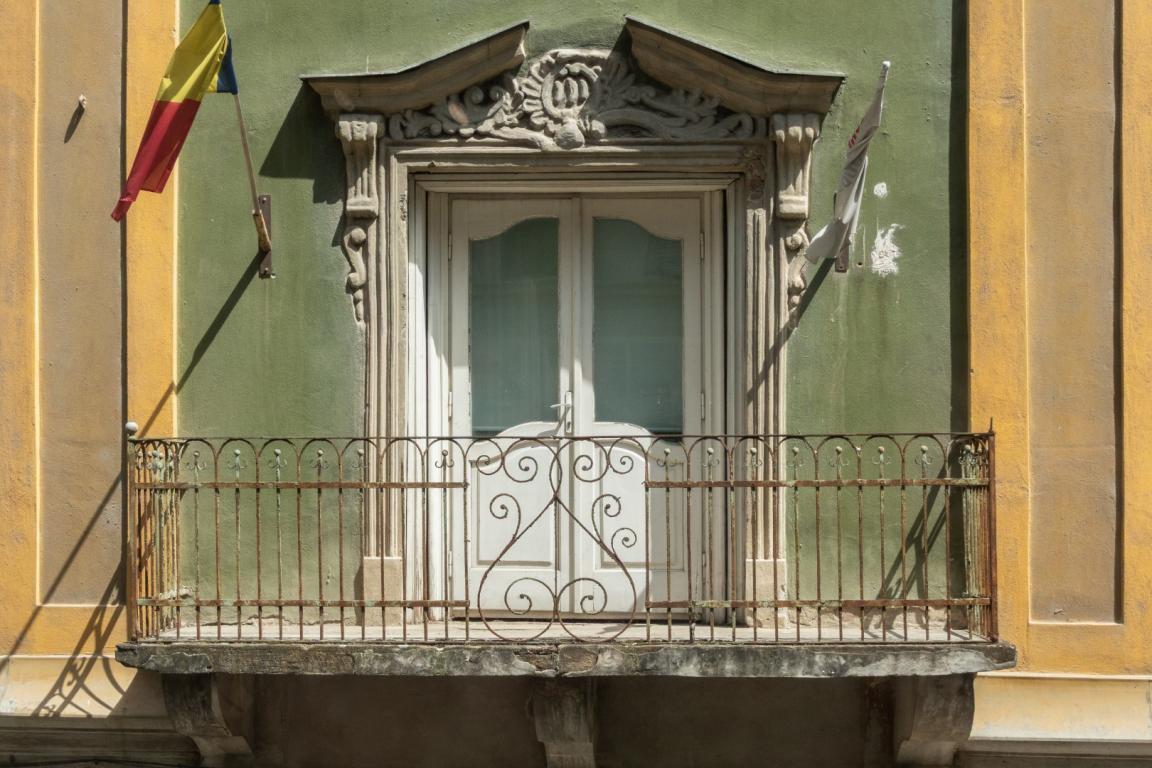
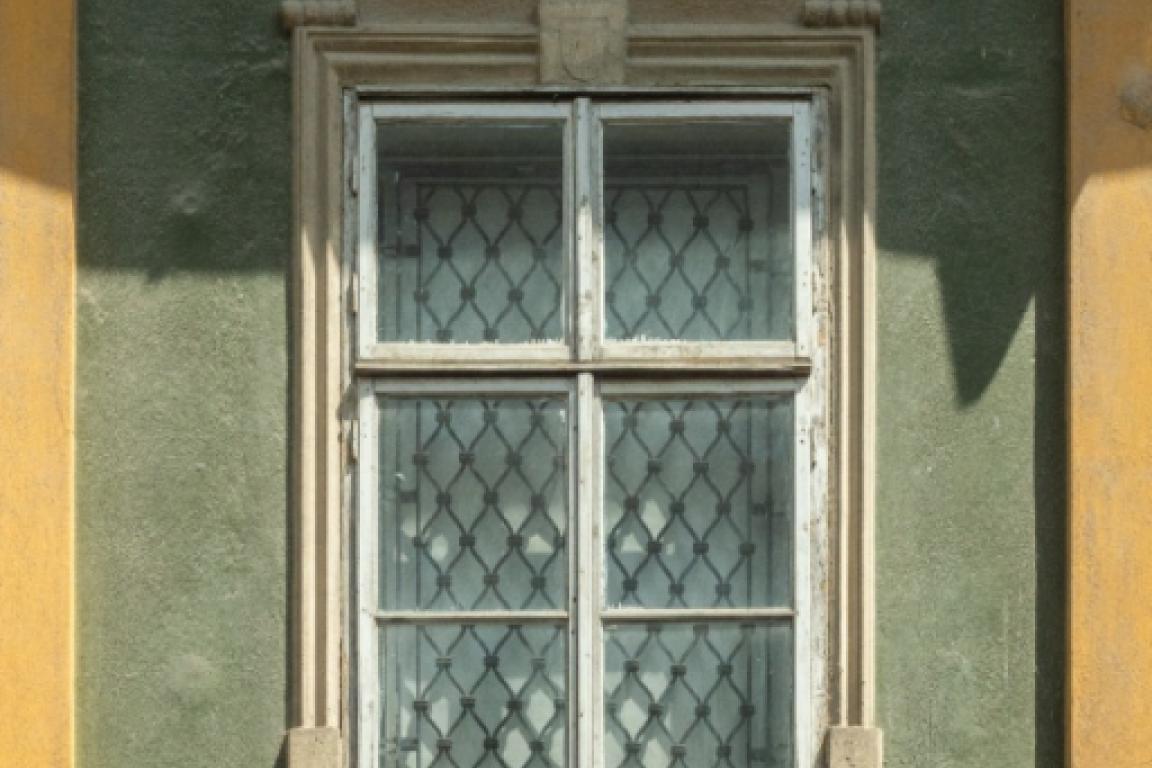
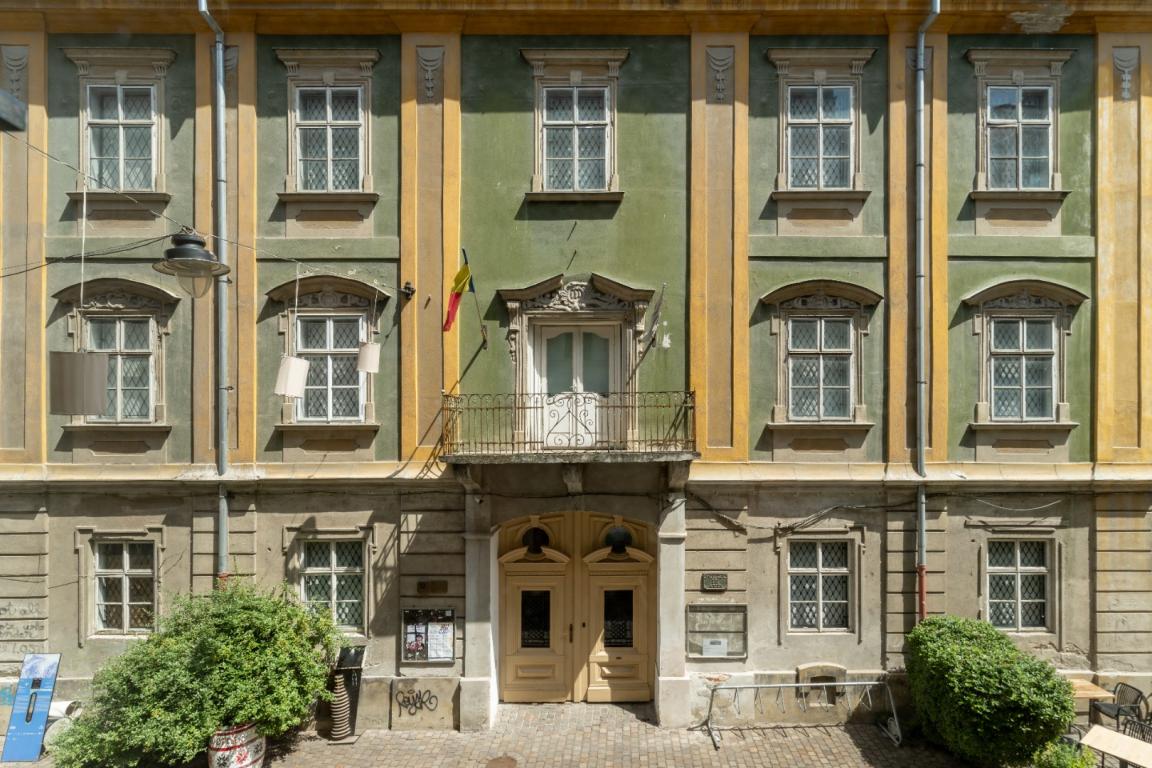
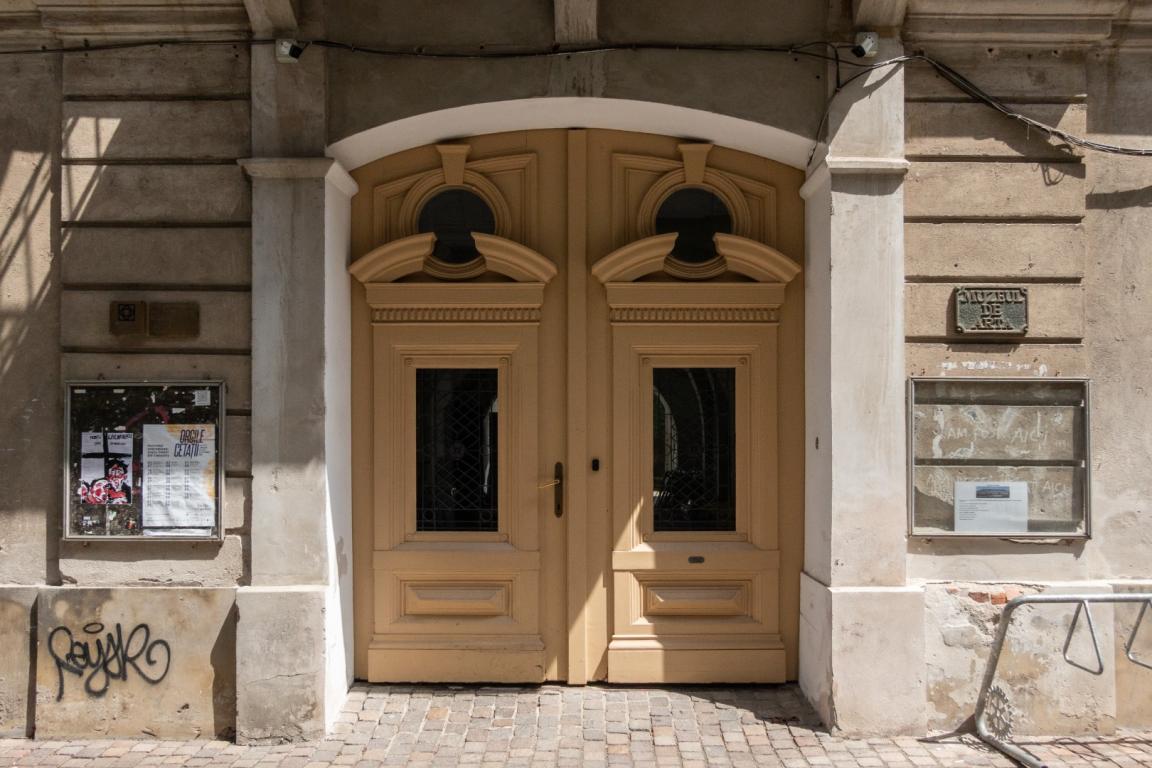
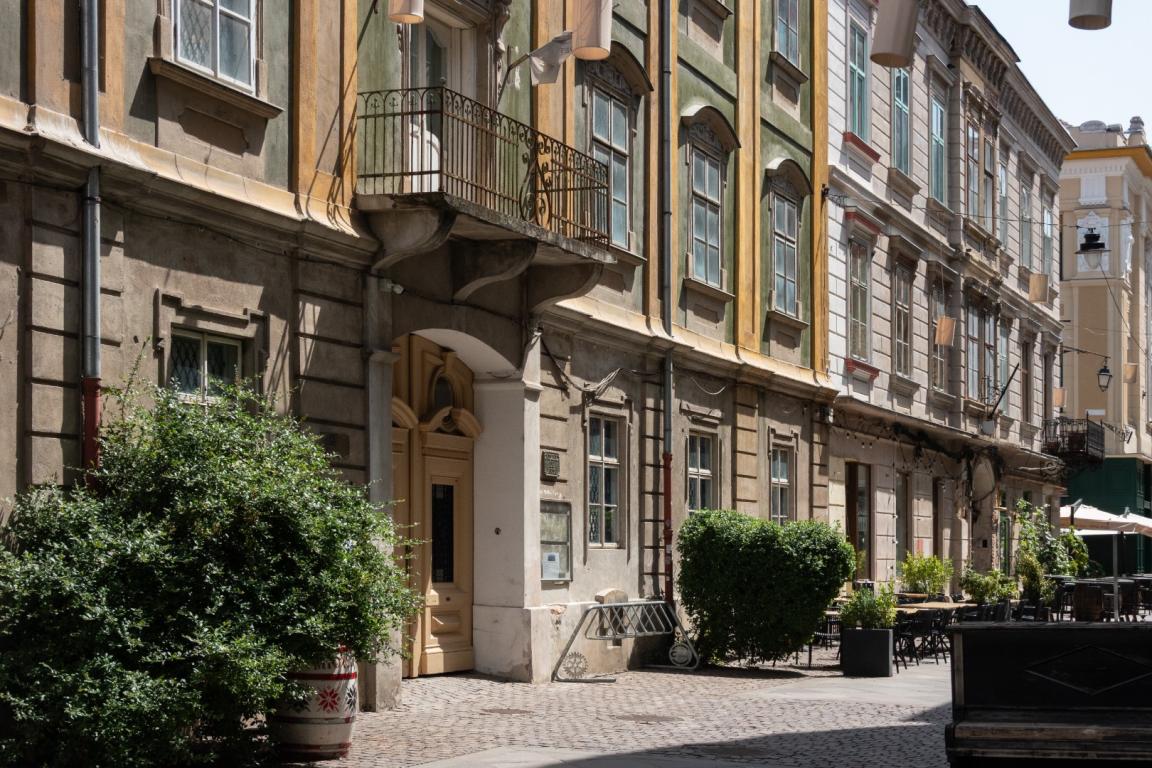
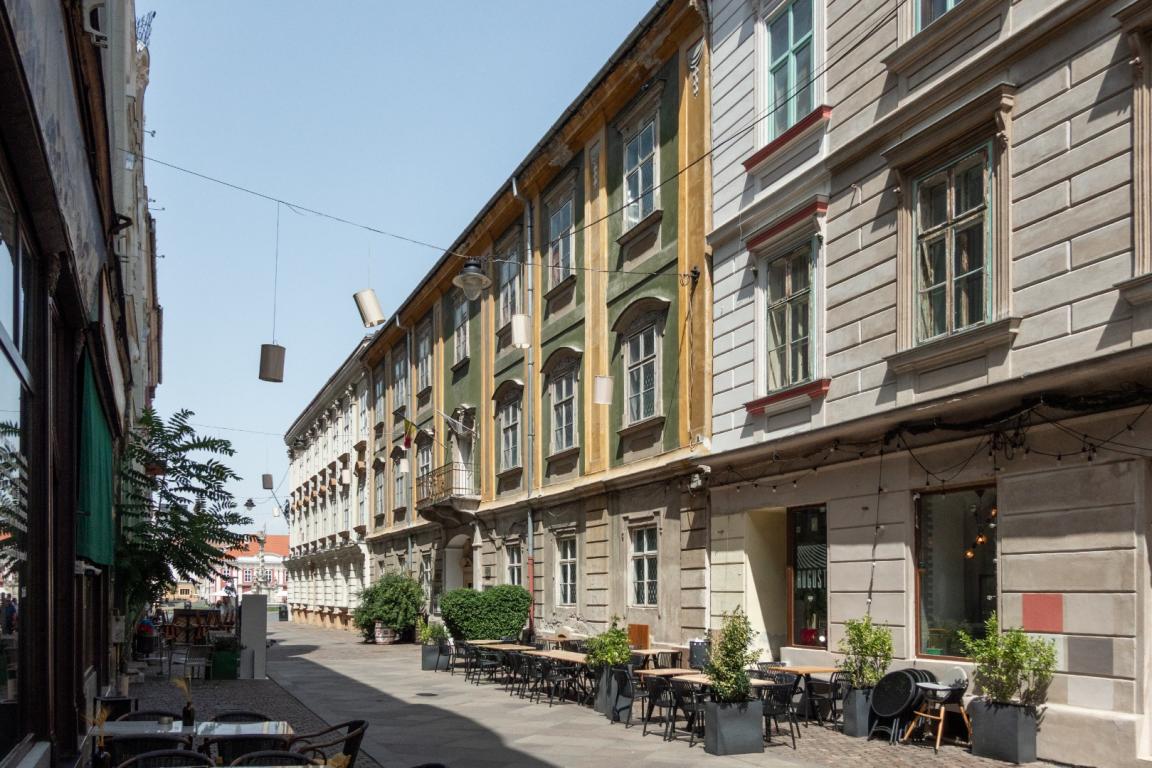
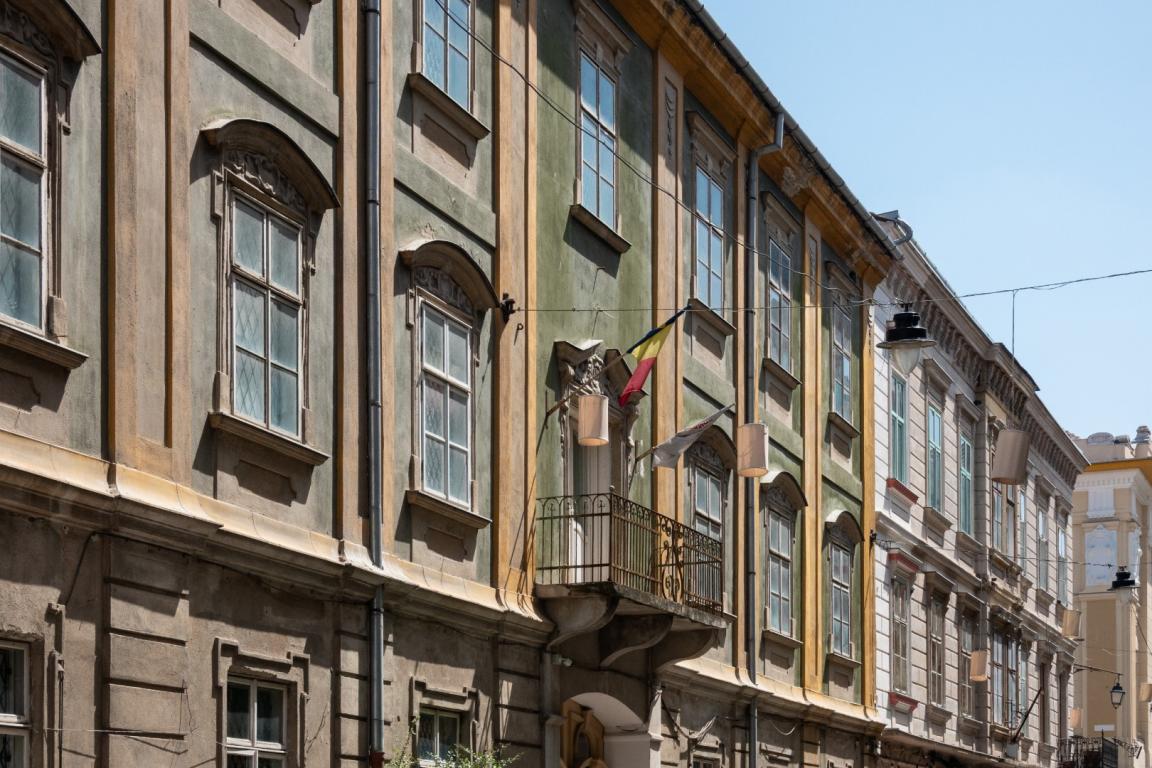
The building on Florimund Mercy Street no. 6 is among the few Baroque edifices in Timișoara that has preserved its 18th-century form, including the roof structure and facades. During restoration interventions led by architect Șerban Sturdza, only minor changes were made, limited to interior finishes. The Baroque Palace and the Mercy Street building were modified simultaneously; as a result, they share the same construction system and today both belong to the National Museum of Art. Over time, as the Baroque Palace underwent modifications after the 18th century, the two buildings became differentiated, even though both retain the same cellular structural system of masonry with barrel vaults, penetrations, and wooden floors.
The two-story building first appears, along with four annexes, on the 1739 plans and originally functioned together with the Baroque Palace as the Cameral House. Between 1746–1747, the Mercy Street building and the Baroque Palace were raised by an additional story, giving them a ground floor plus two upper floors. By 1752, the building functioned as the Principal Military Treasury or War Treasury House. It is recorded that the ground floor was vaulted, while the courtyard contained stables and warehouses. The building housed the Cameral cashier, a House officer, and a chancery clerk.
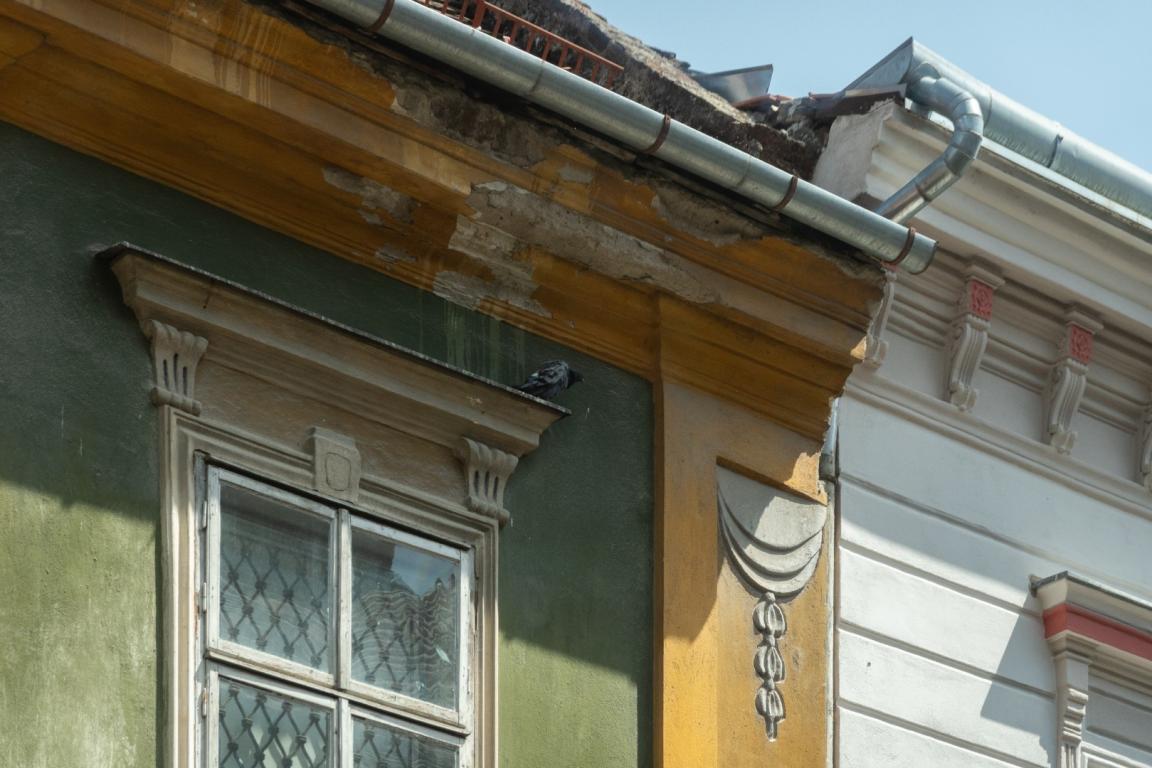
Between 1782–1786, the rear wing of the building facing the courtyard was raised by two additional levels, thereby definitively separating it from the Baroque Palace courtyard. The former treasury then became the Cameral House, where the Cameral Administrator, the Chancery, Dispatch, and Registry offices were located, while the ground floor housed the Cameral Treasury. From 1786 onward, the building has preserved this form up to the present day. The Baroque roof structure with trusses, struts, braces, and tie beams survives in its entirety, together with the ornamentation of the main facade – curvilinear window pediments, “ear-shaped” window frames, and pilasters with rustication on the ground floor.
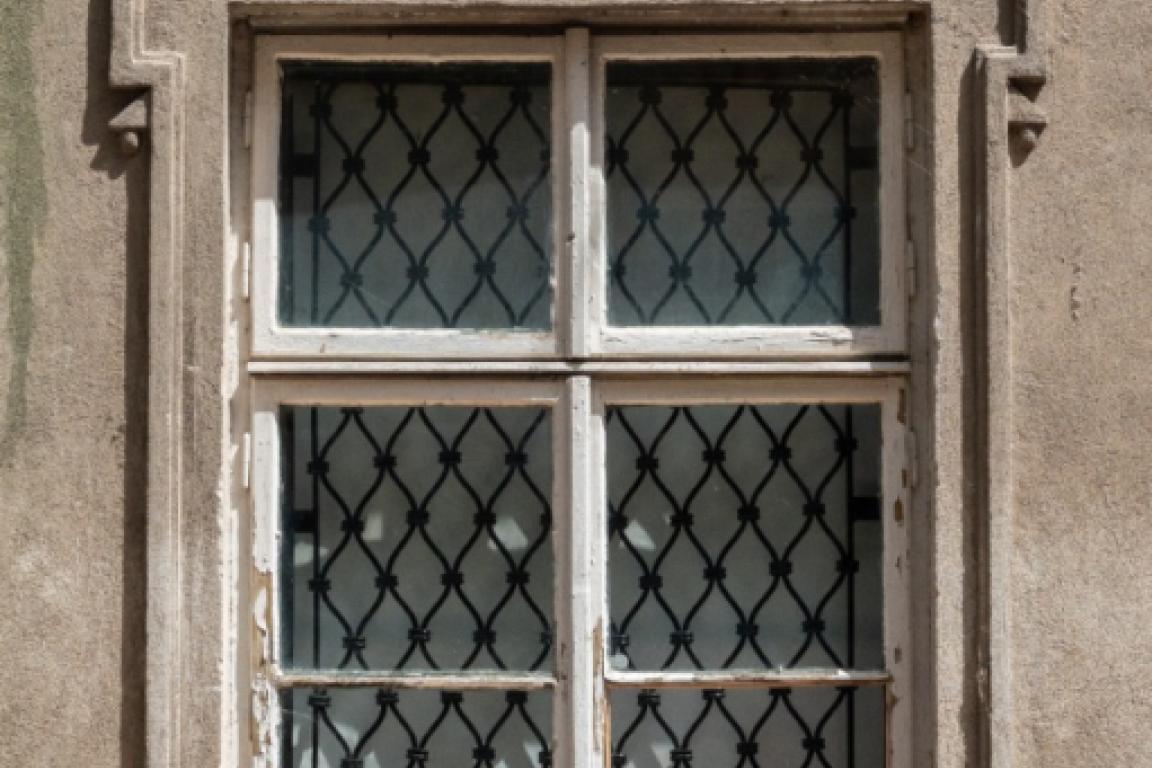
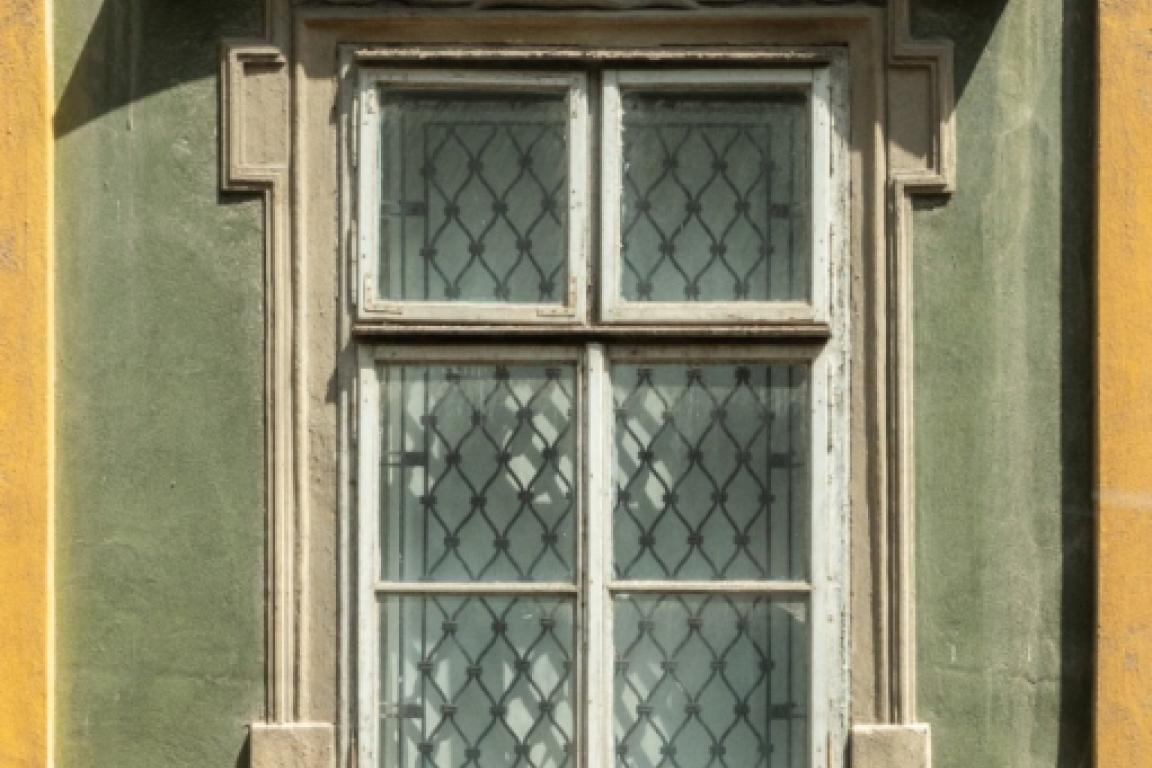
Inside, original chimneys and the system of vaults with penetrations and barrel vaults are preserved. From Mercy Street, after passing through the access passage, one enters the inner courtyard, where window frames and an iron grille at the window separating the courtyard from the Baroque Palace annex can still be seen.
Pošalji razglednicu!
Ilustracija Lucian Popovici
Nijedan materijal sa ove internet platforme/sajta ne može biti reprodukovan delimično, u celosti ili izmenjen bez prethodne izričite dozvole, pisanom saglasnošću Asocijacije PRIN BANAT. Uslovi korišćenja.