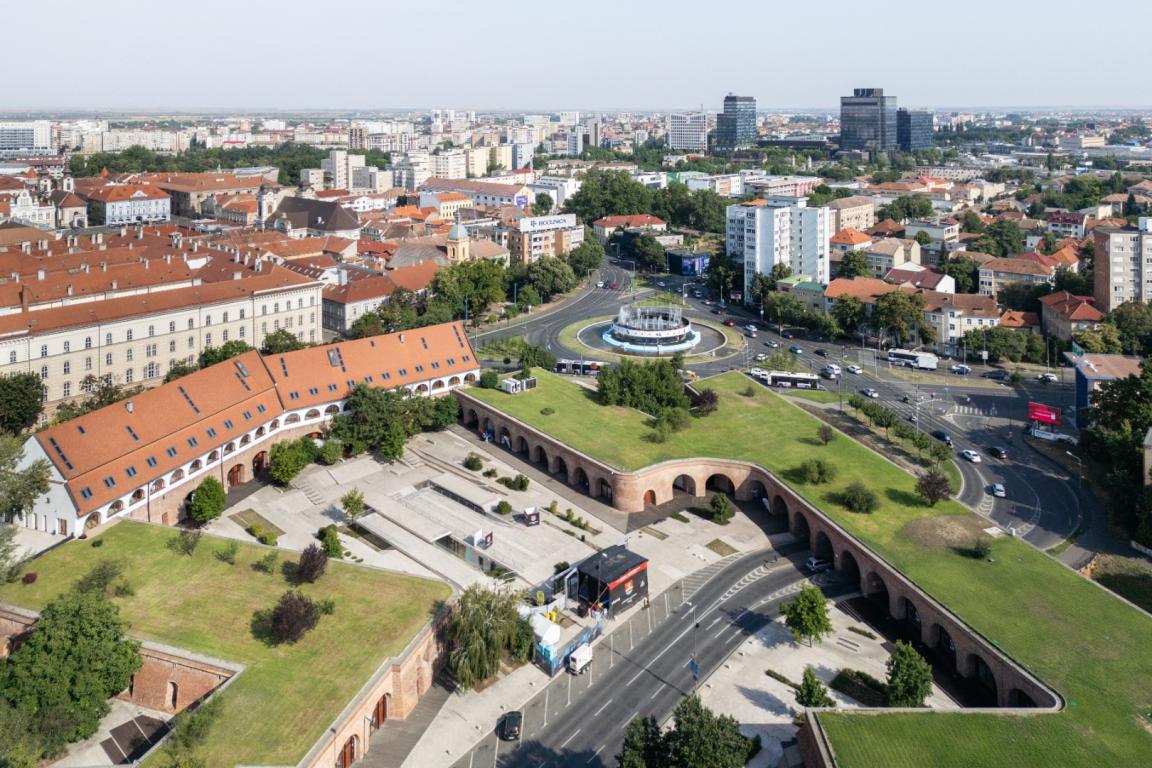
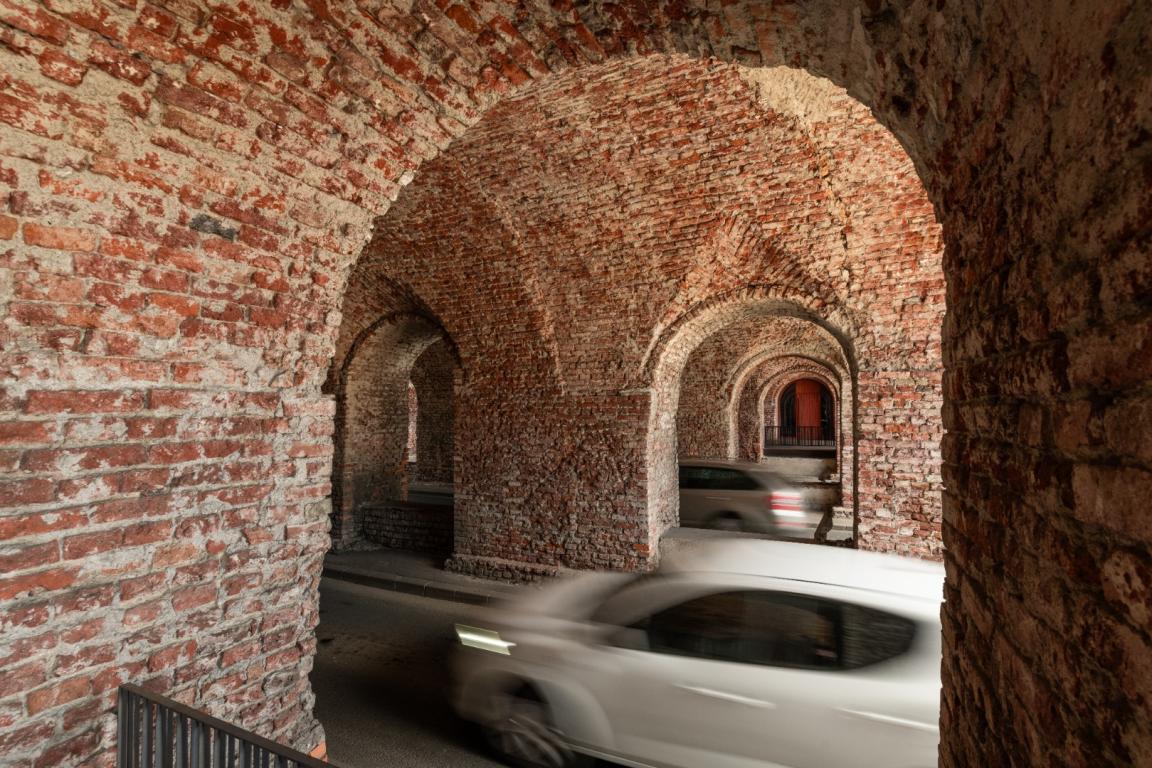
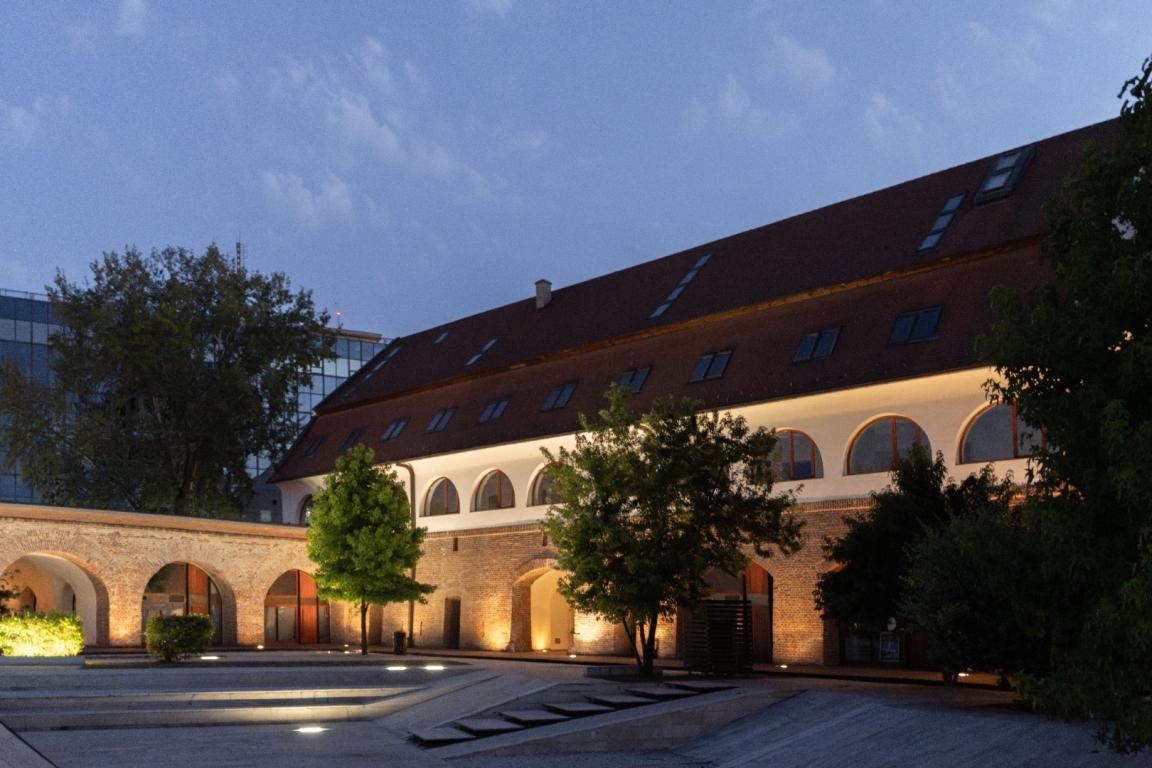
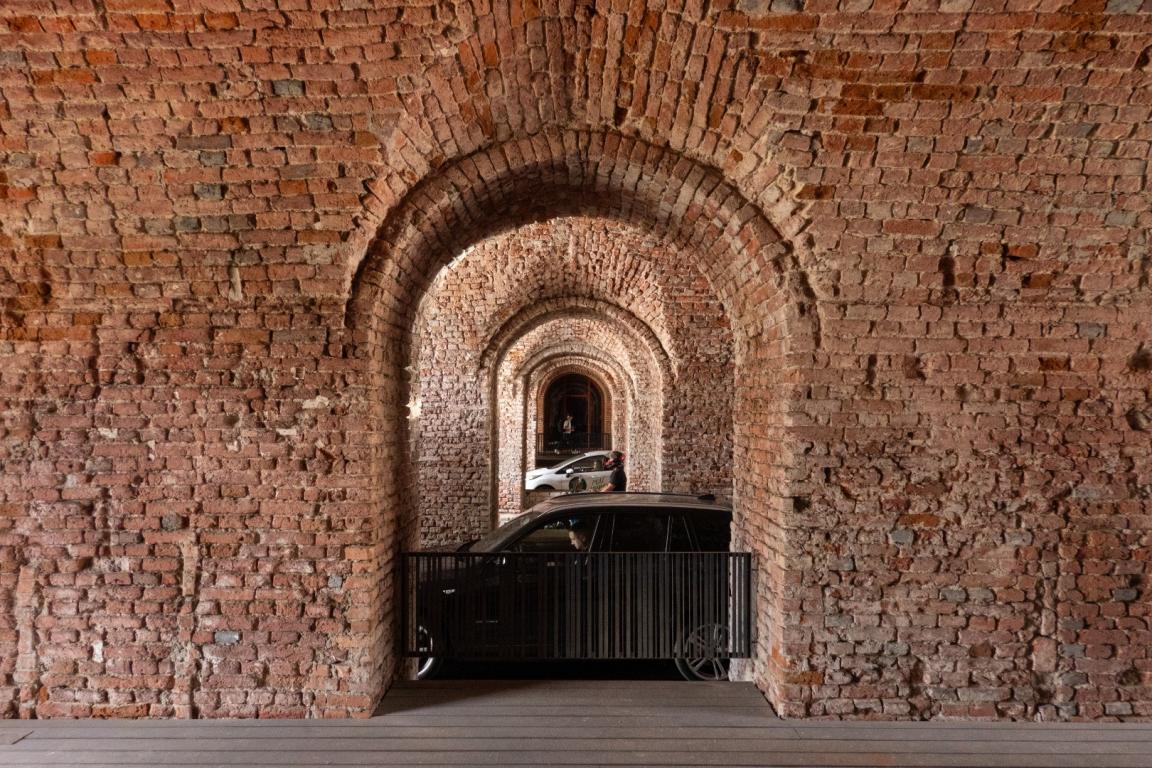
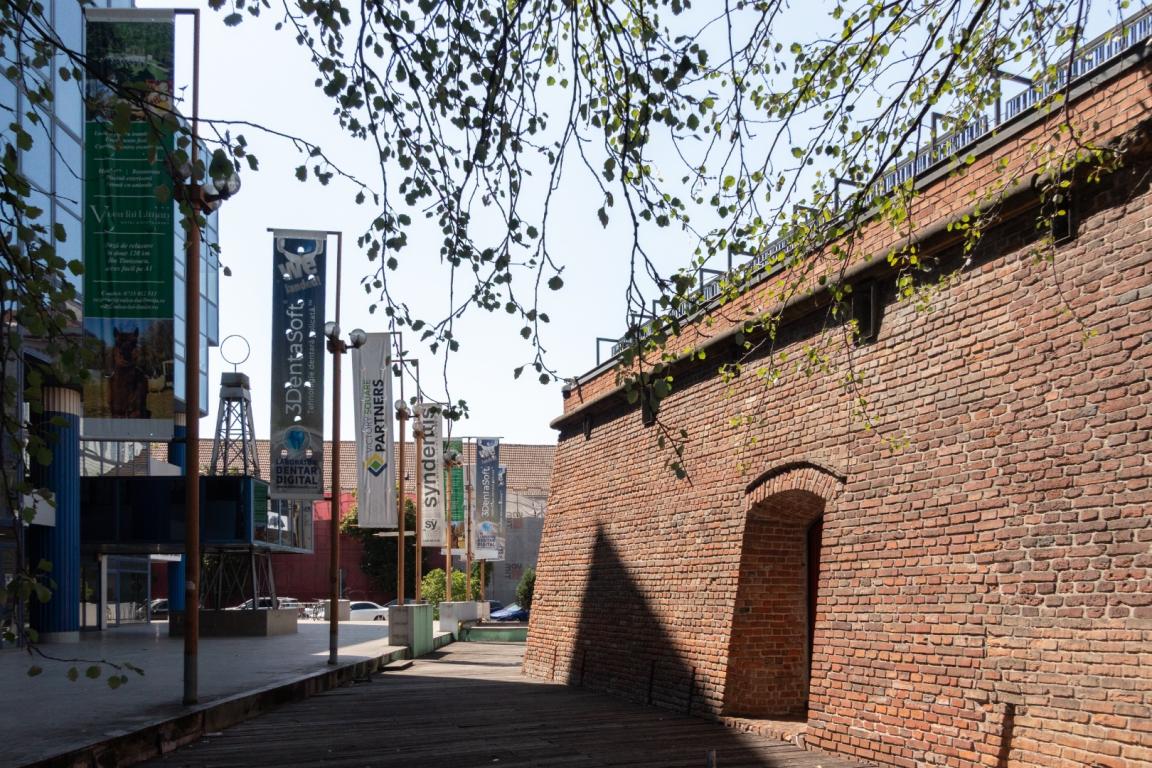
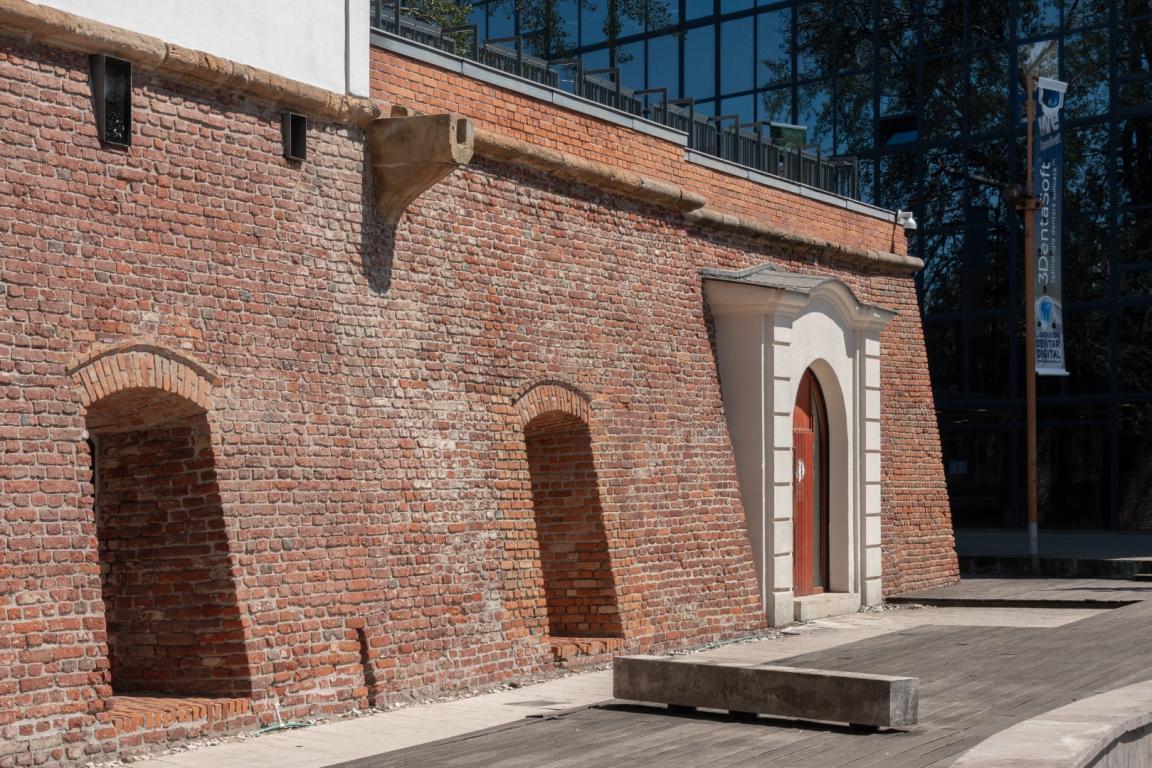
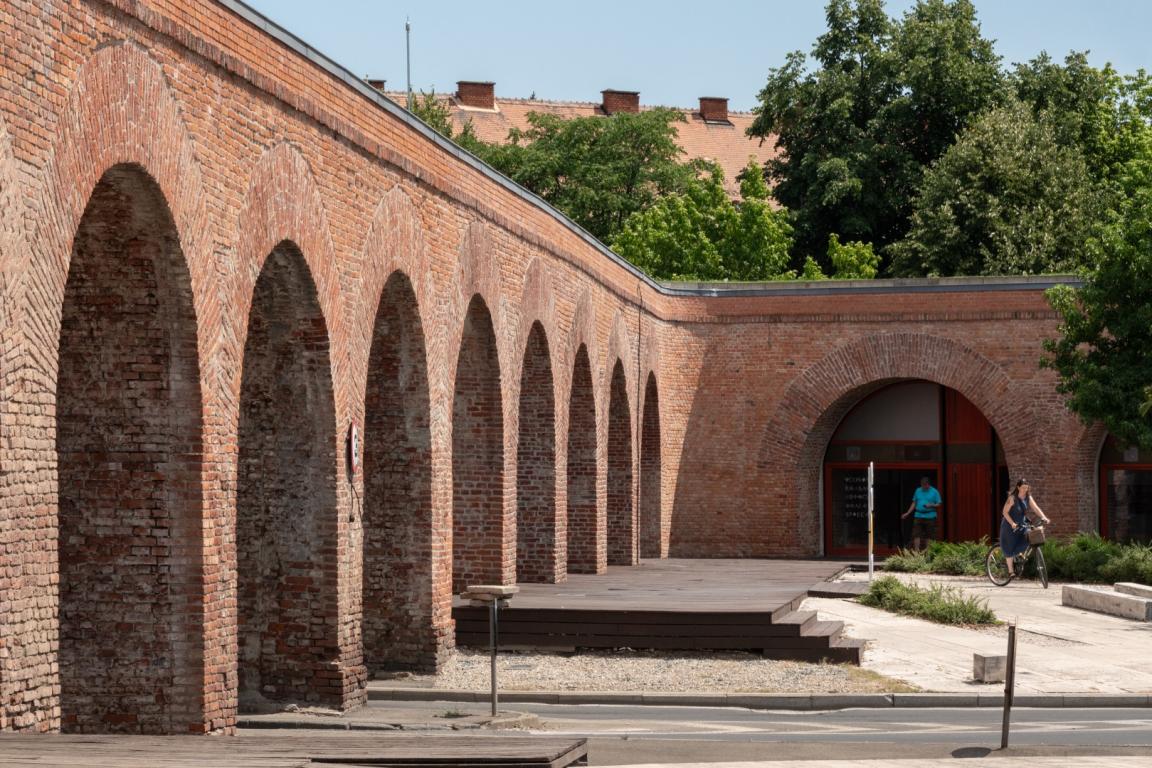
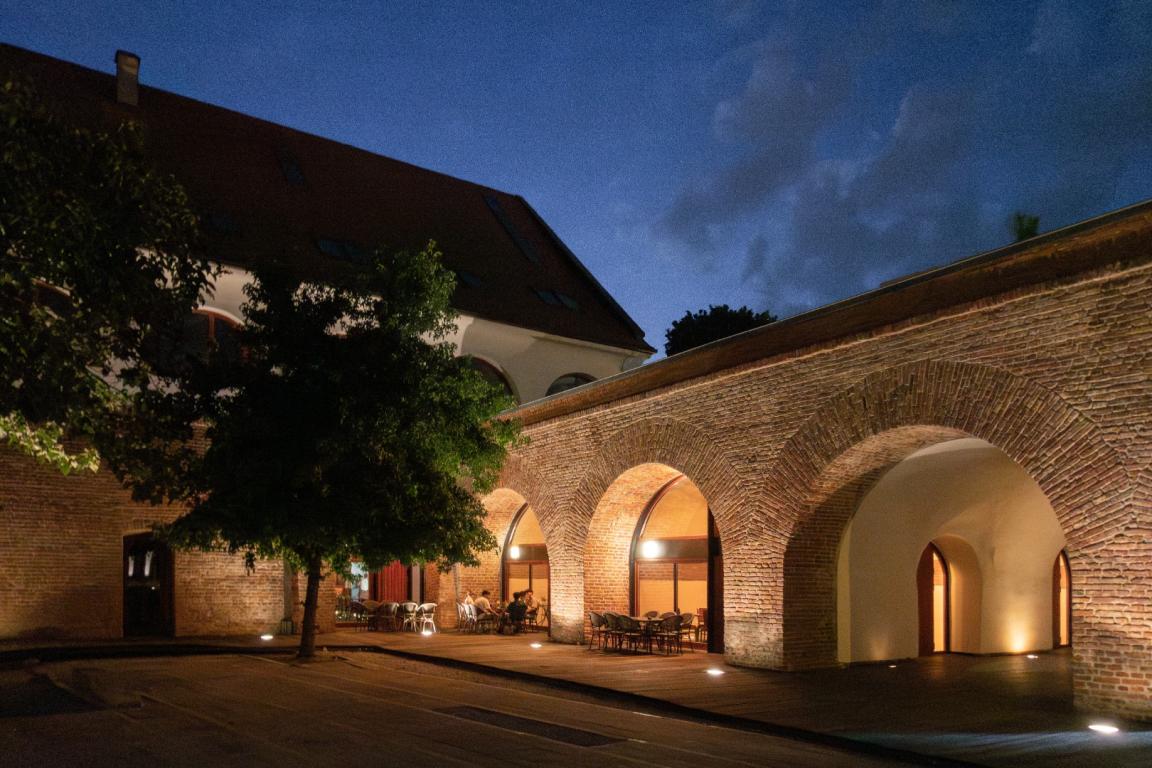
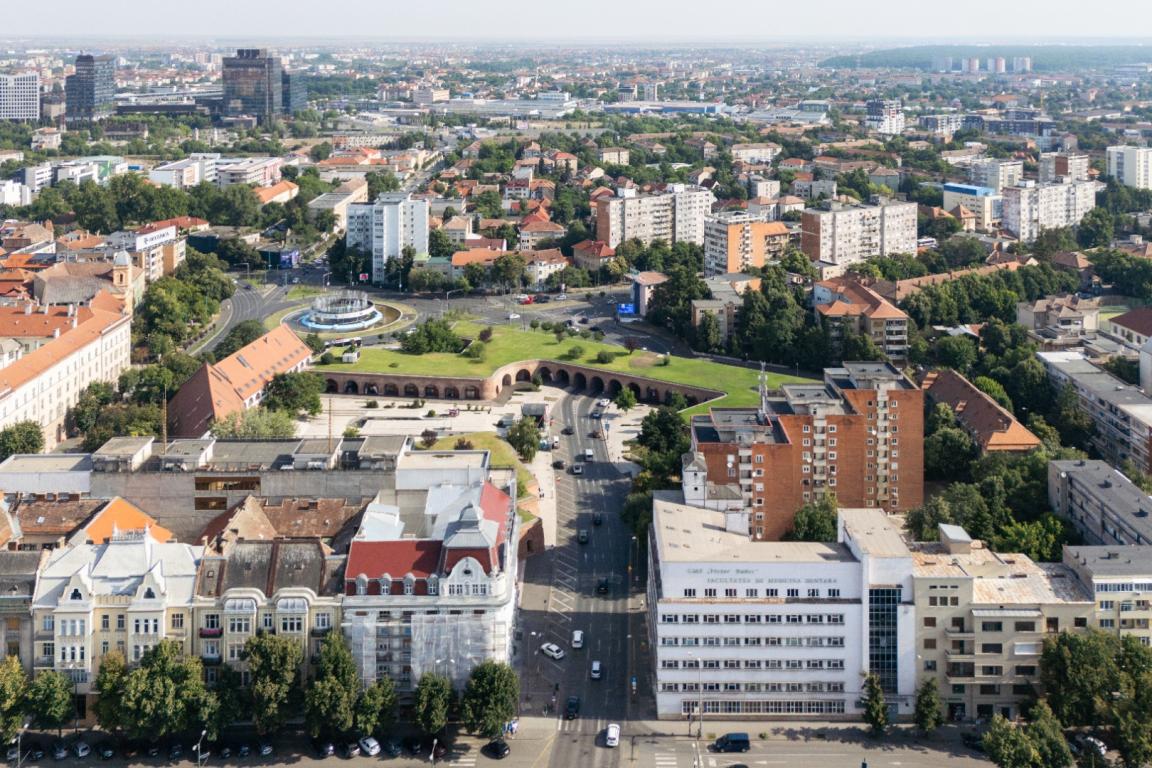
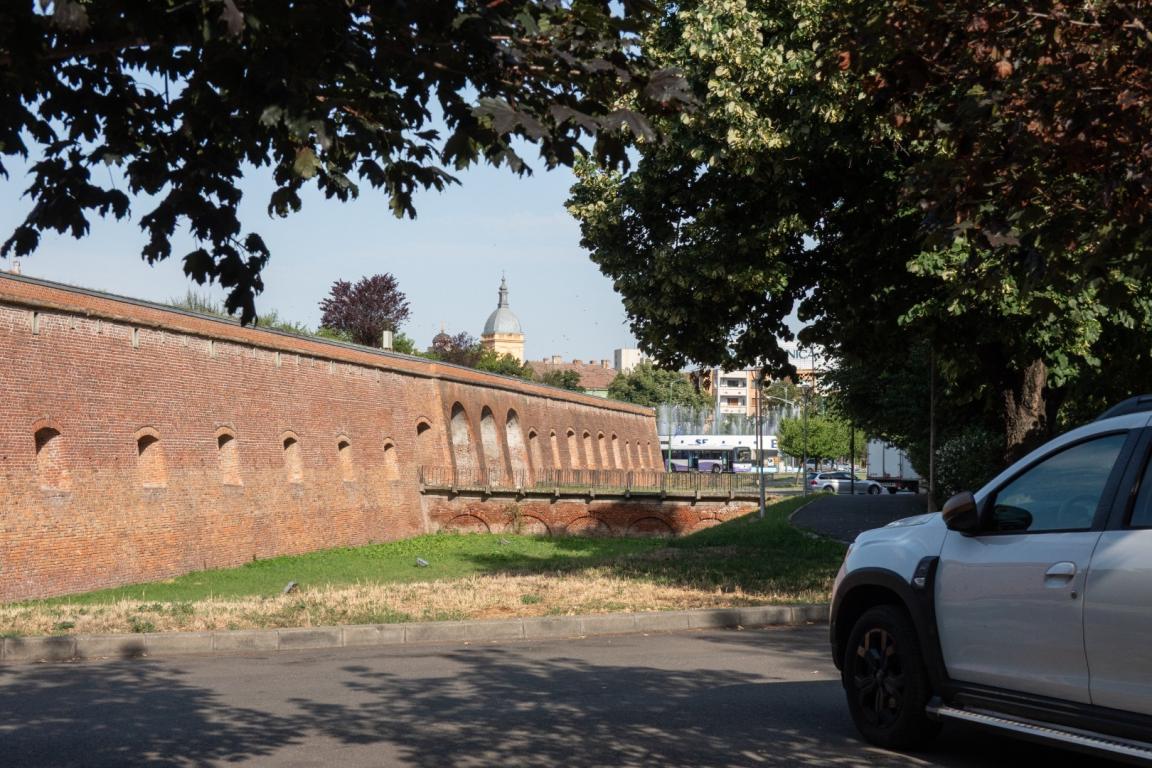
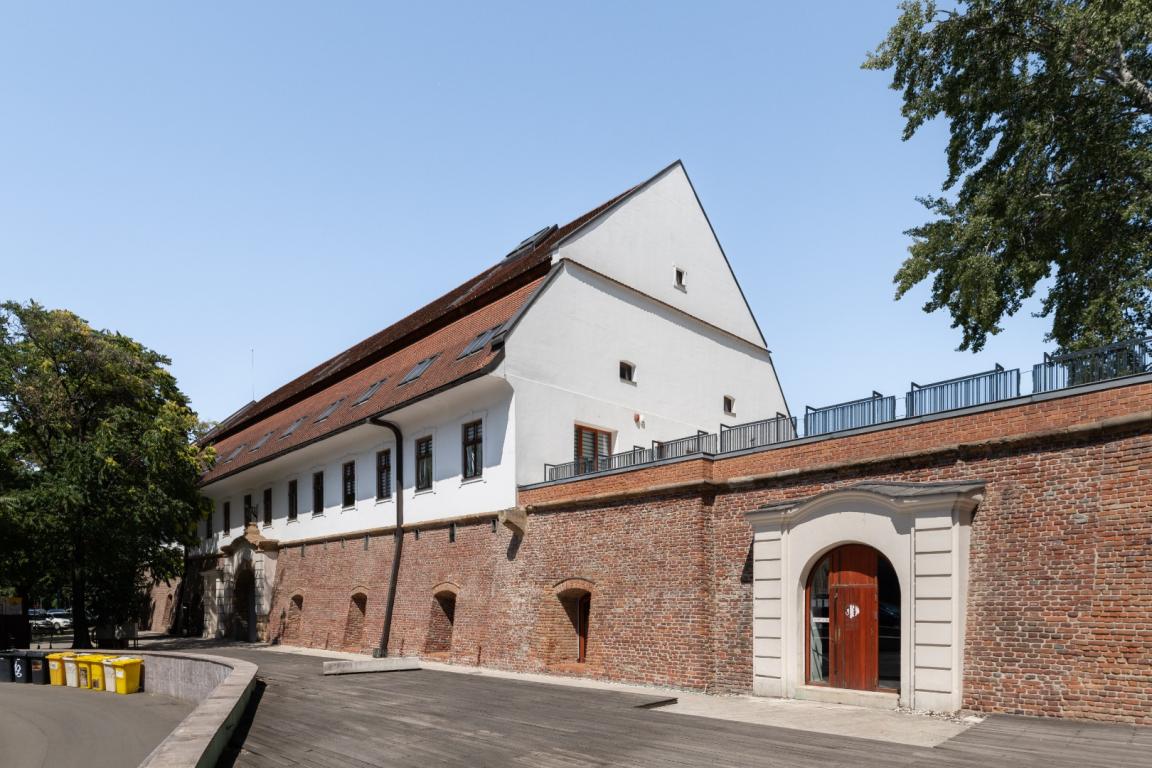
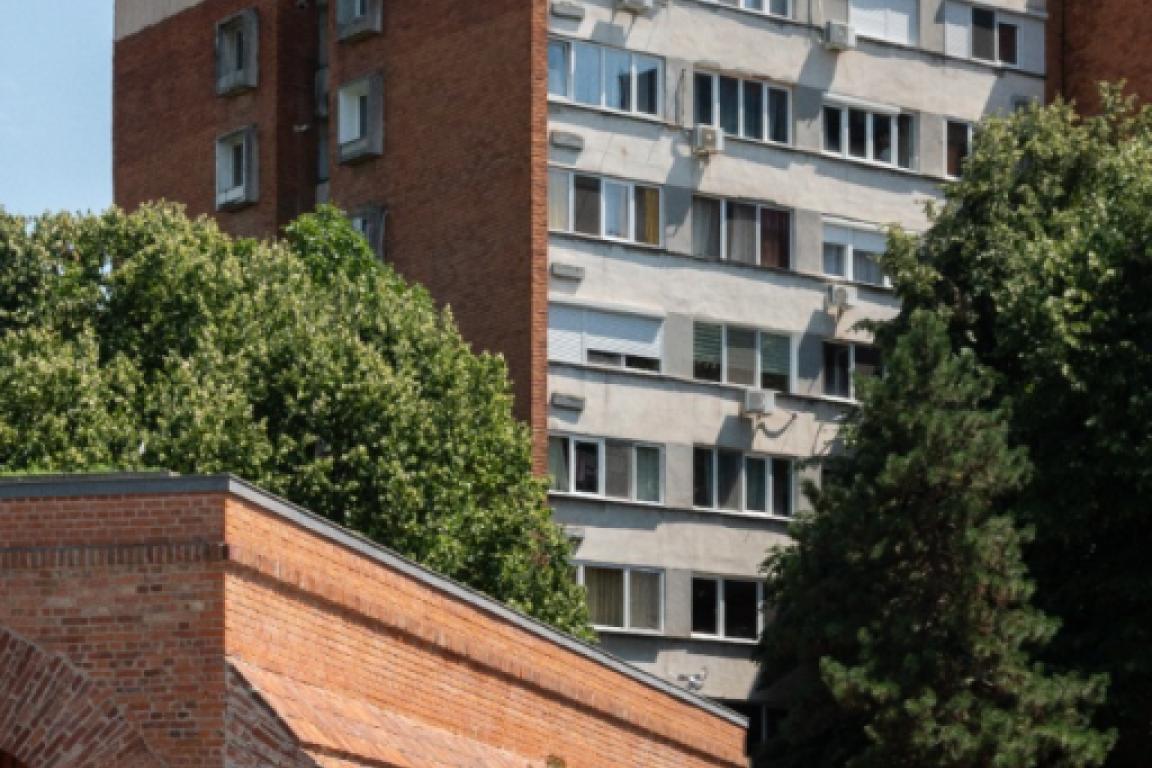
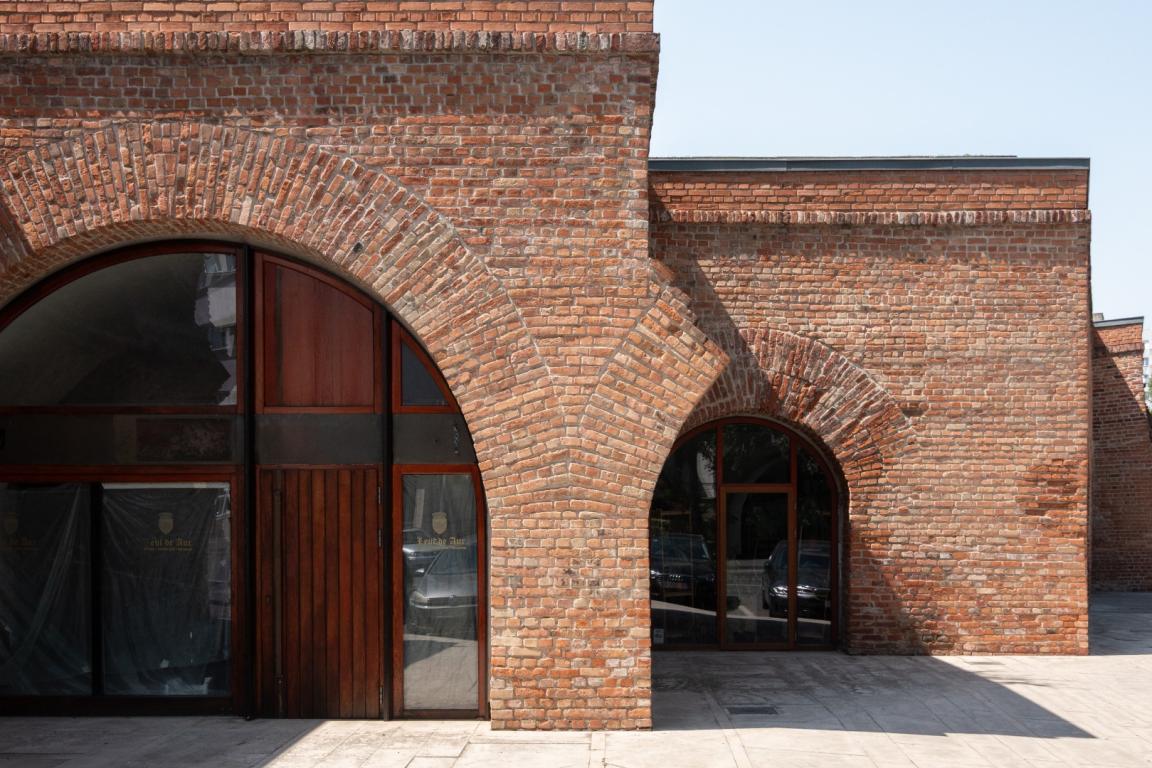
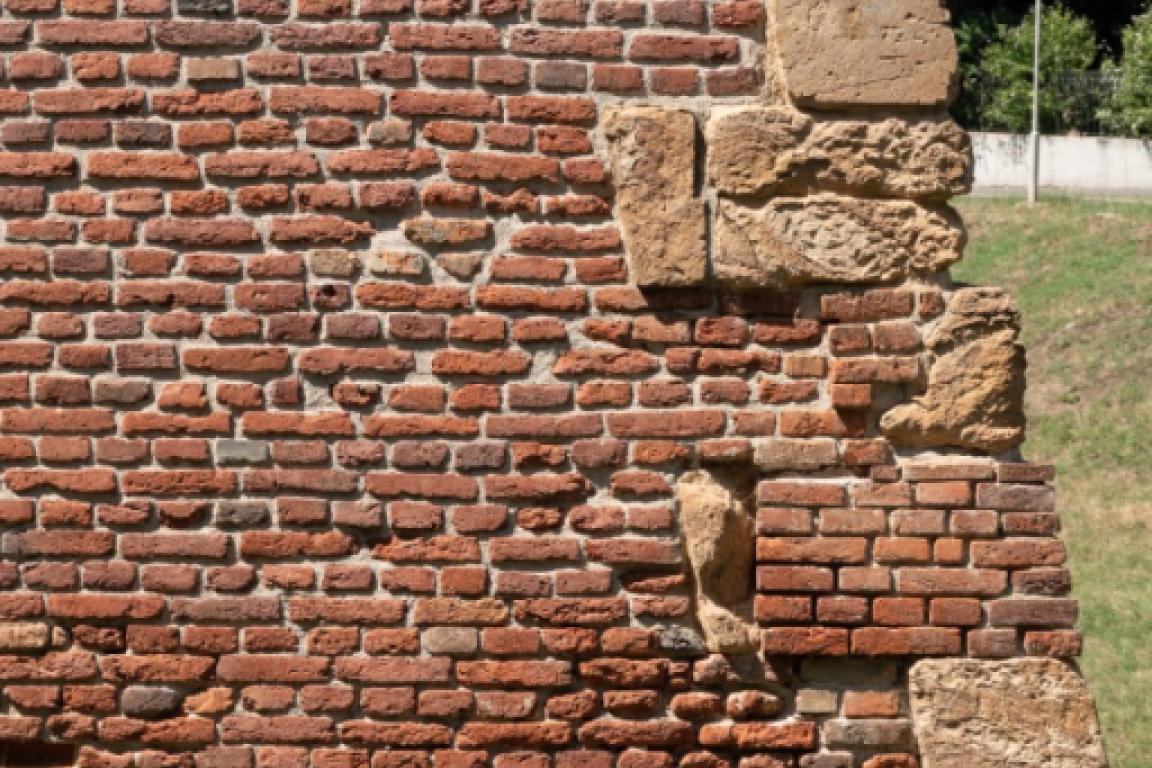
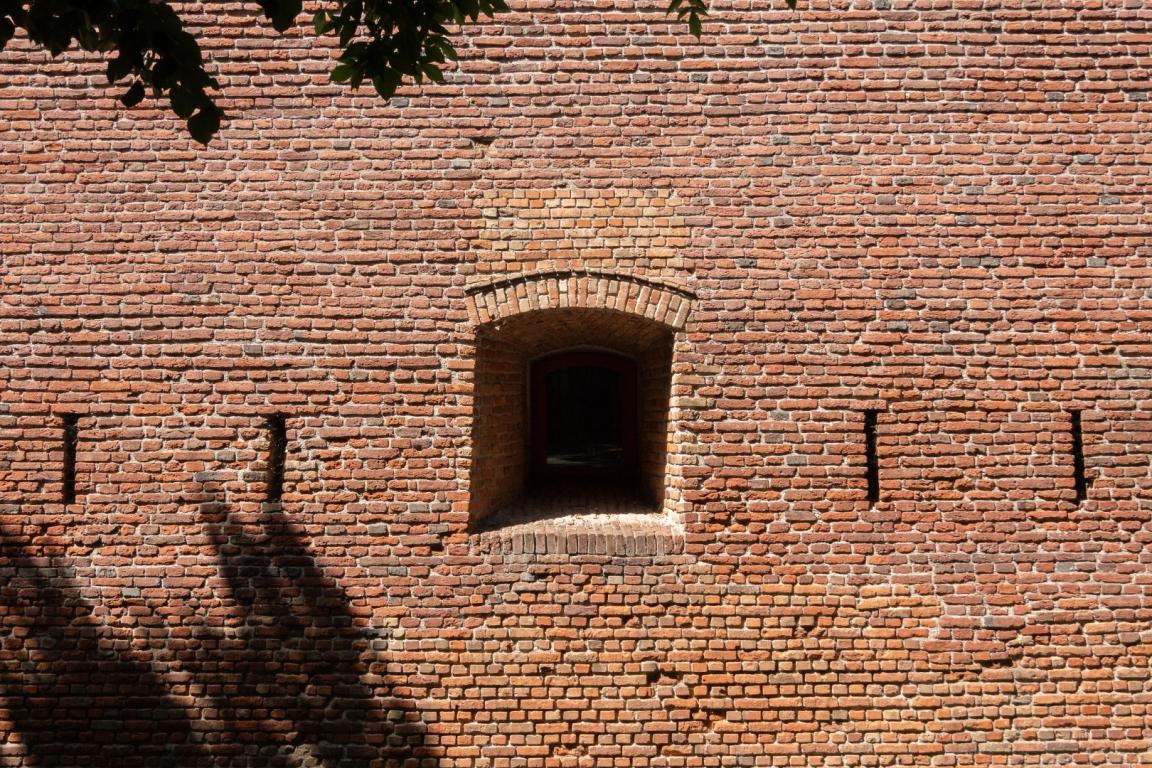
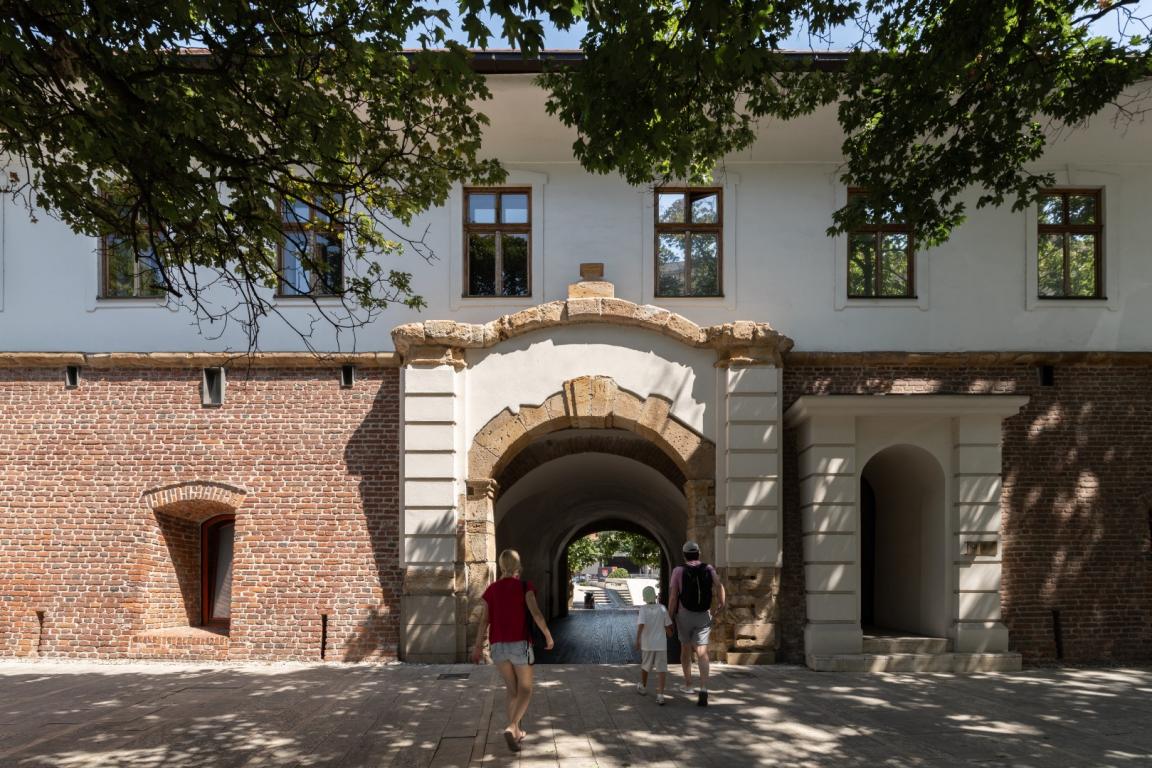
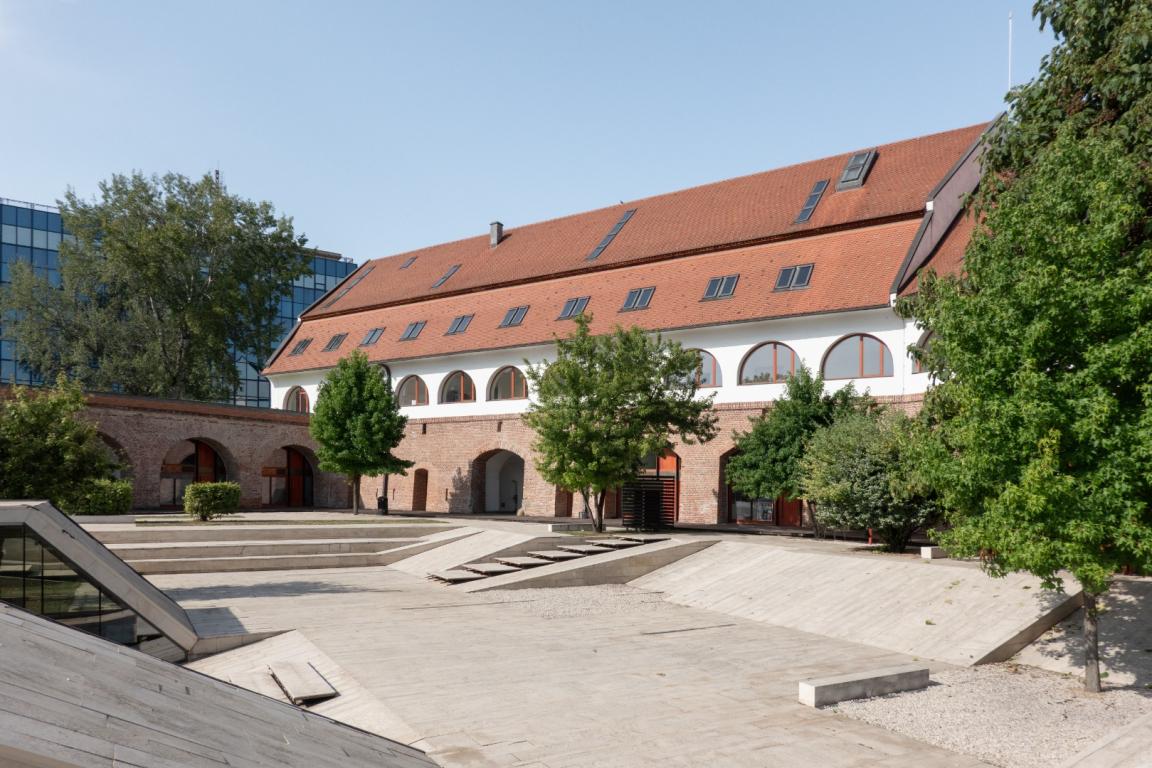
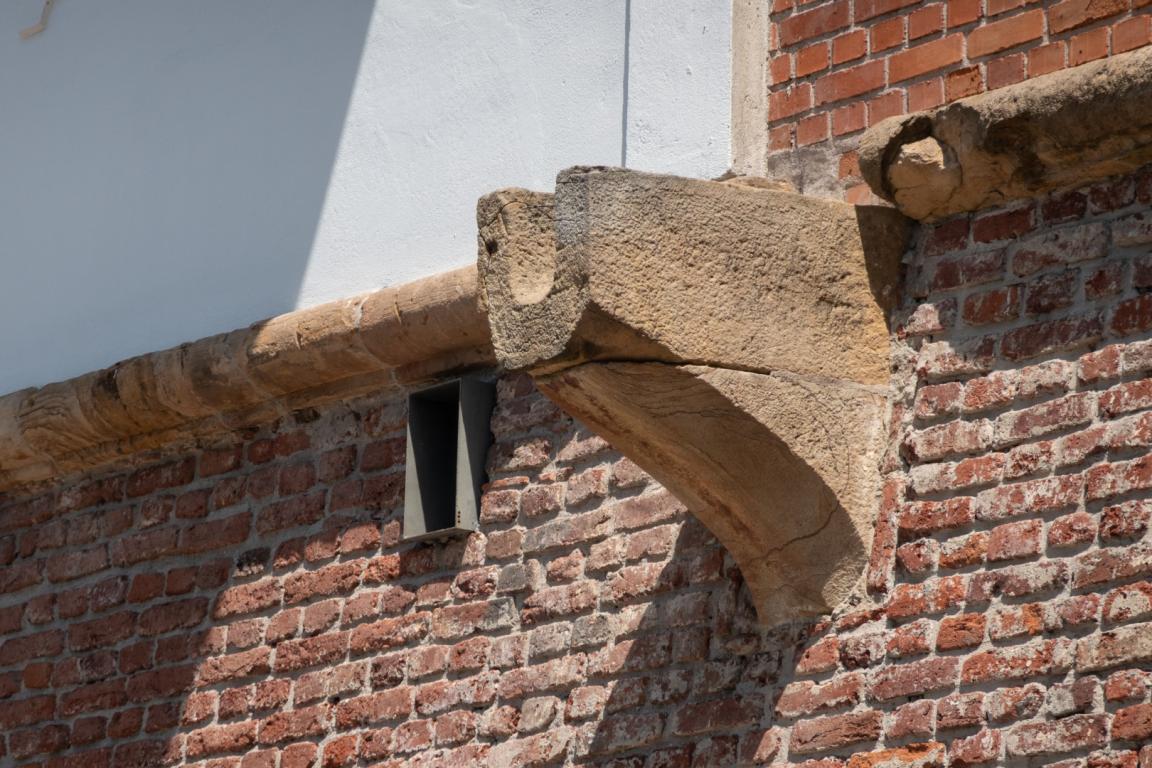
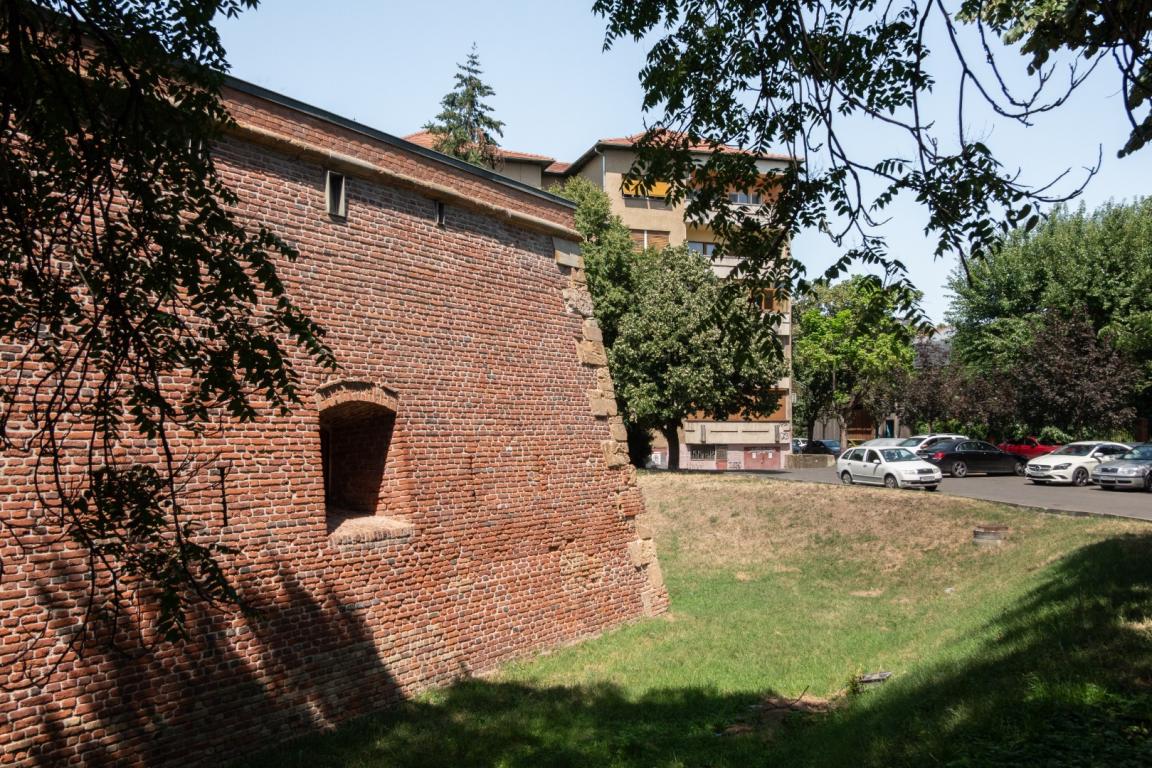
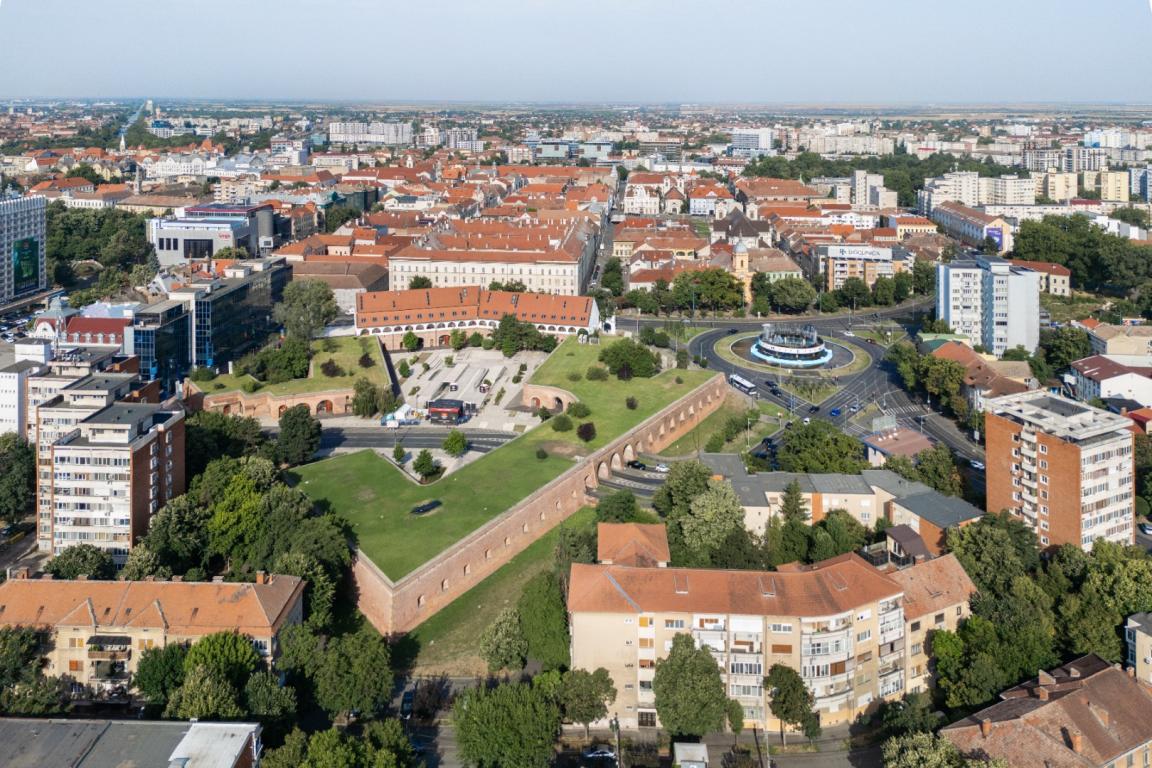
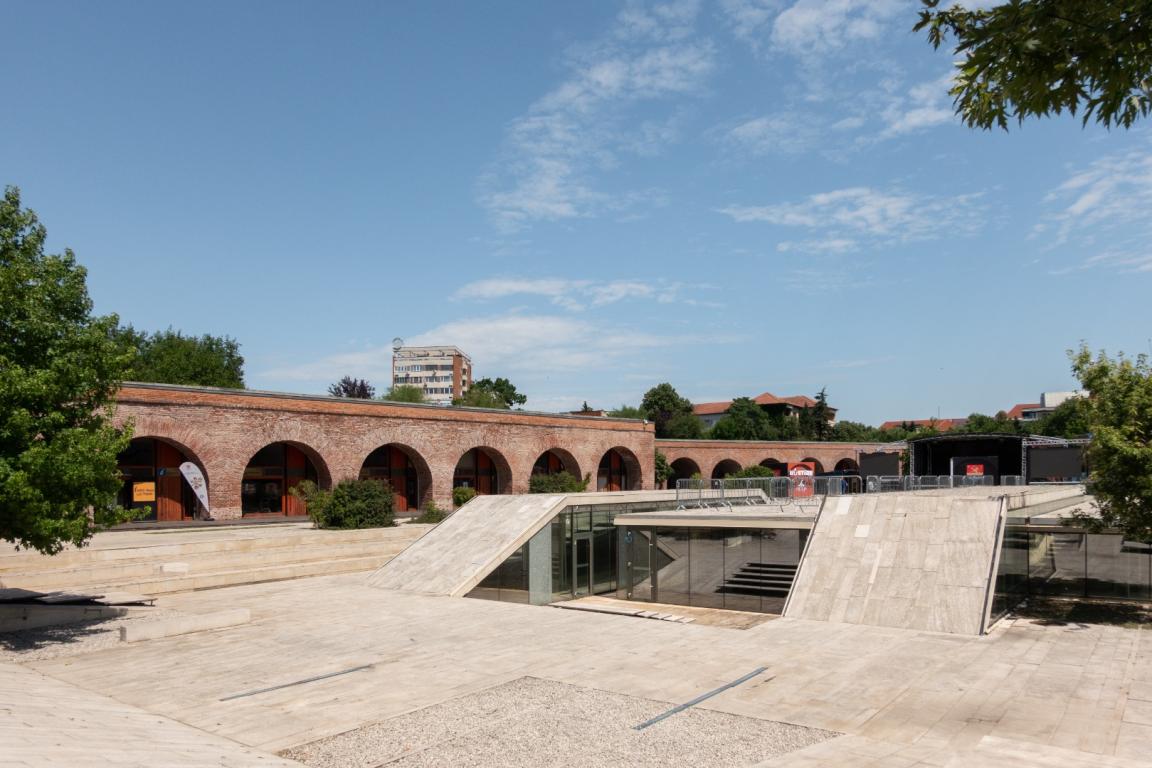
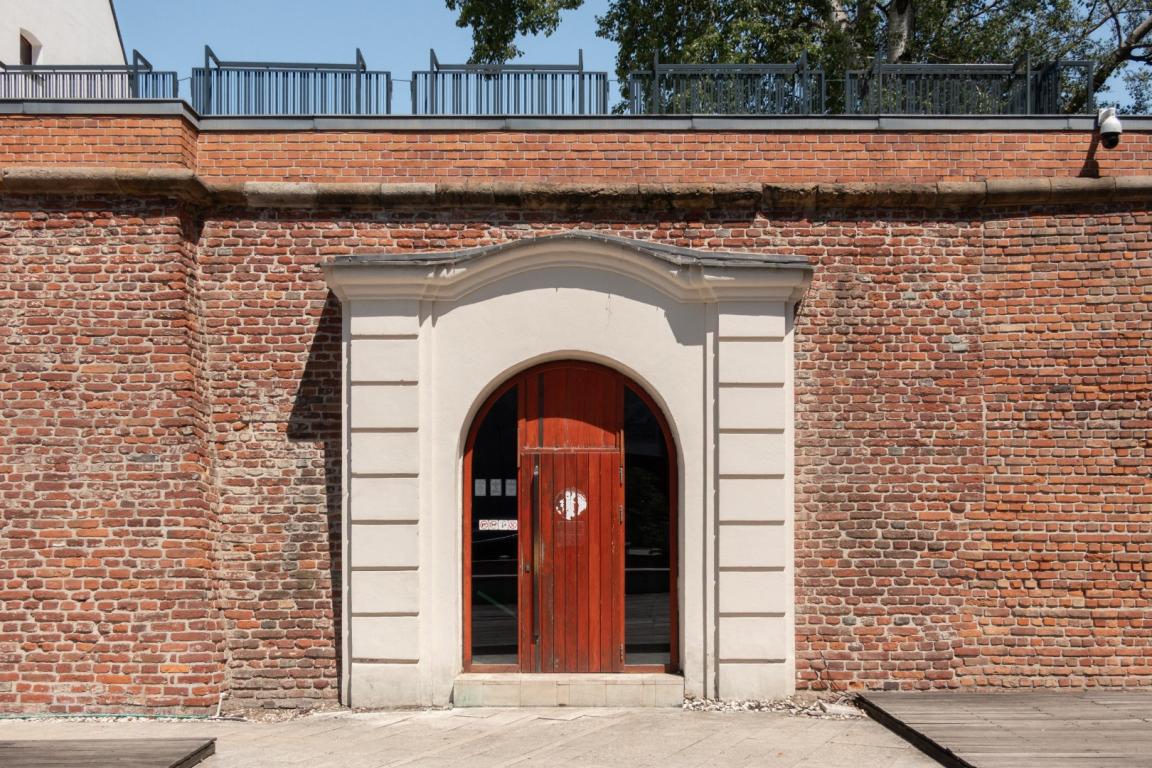
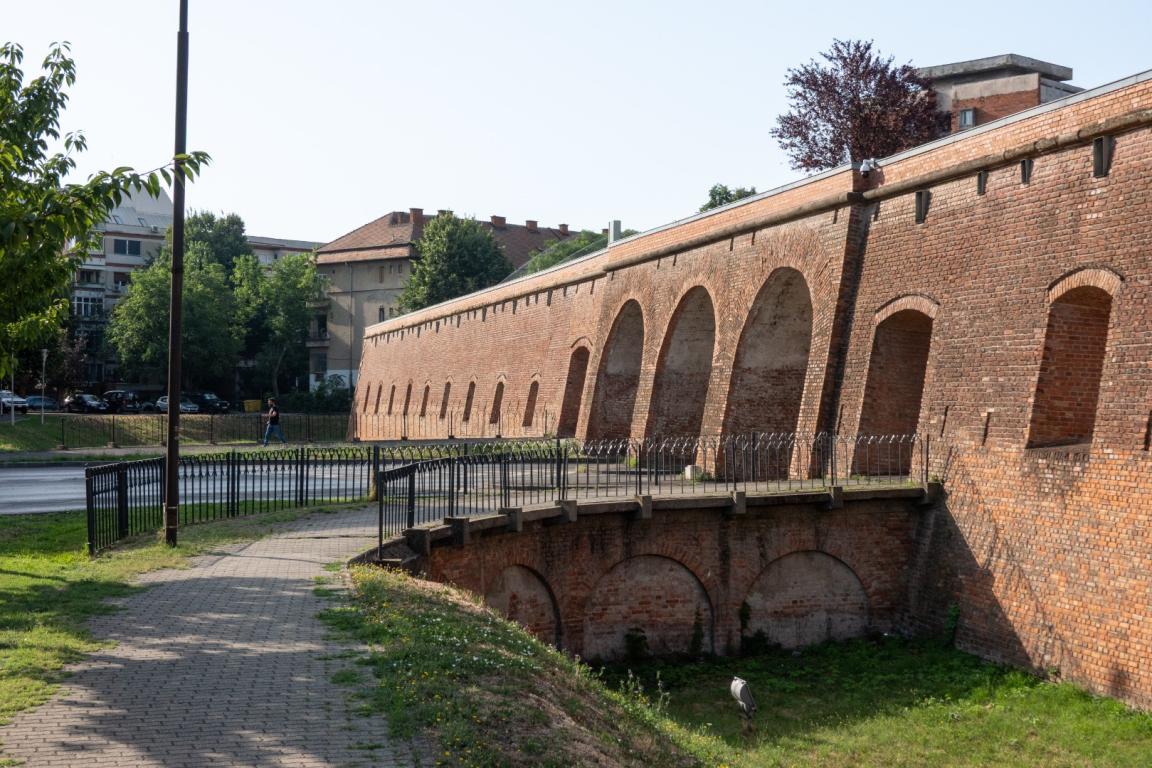
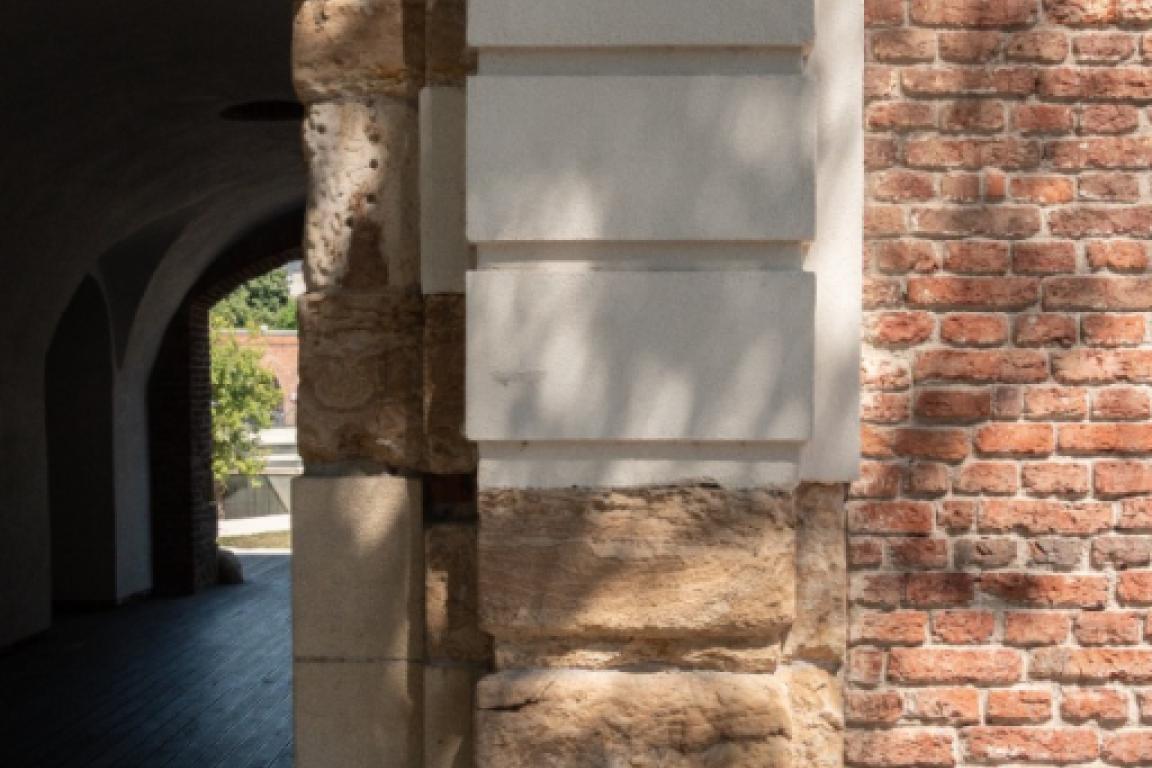
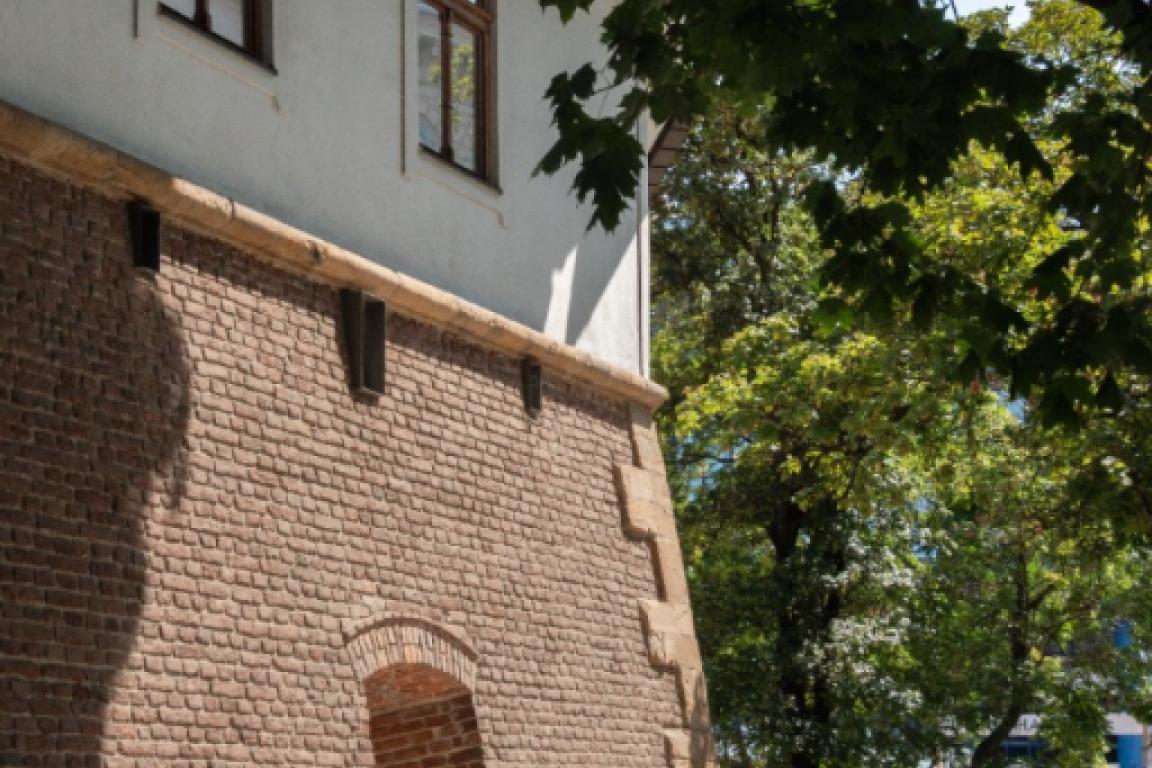
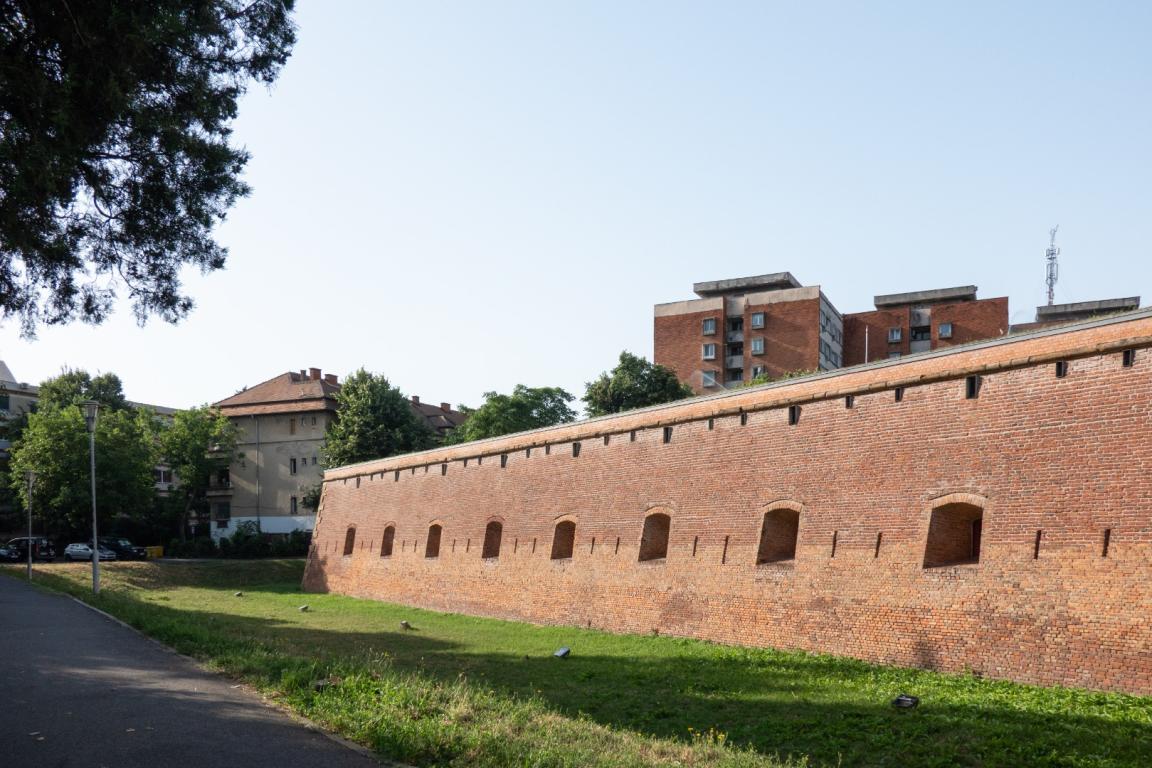
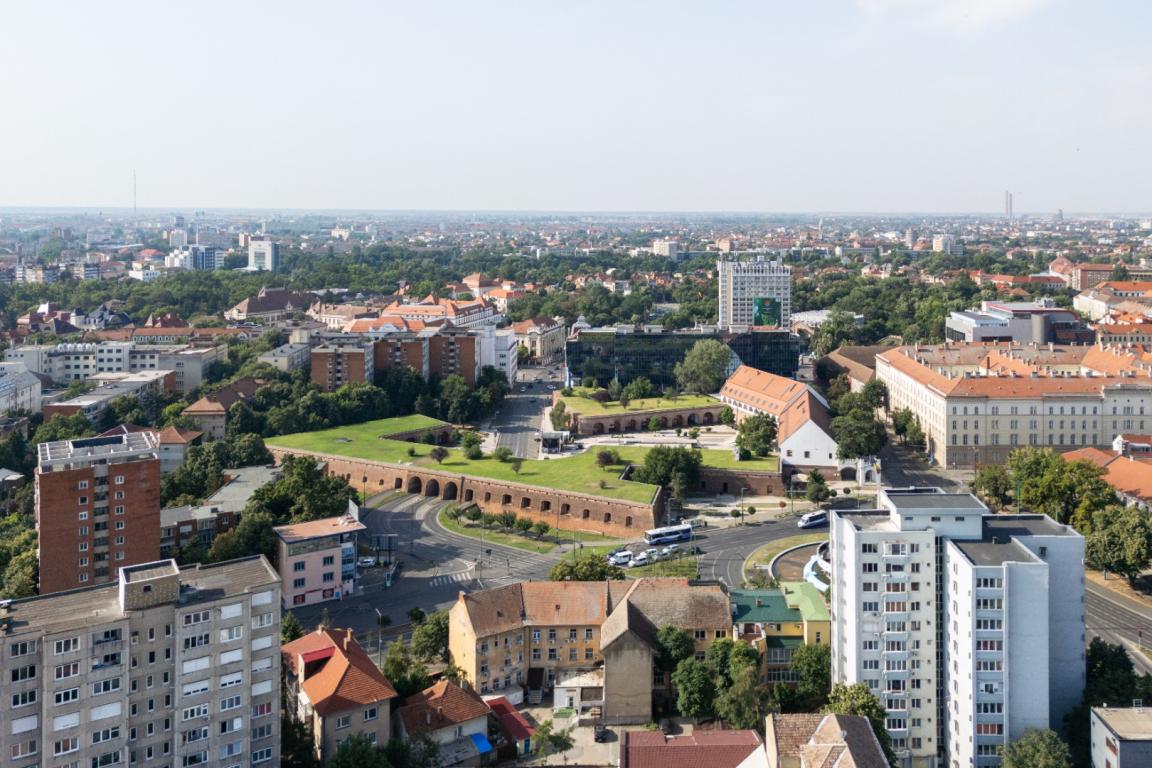
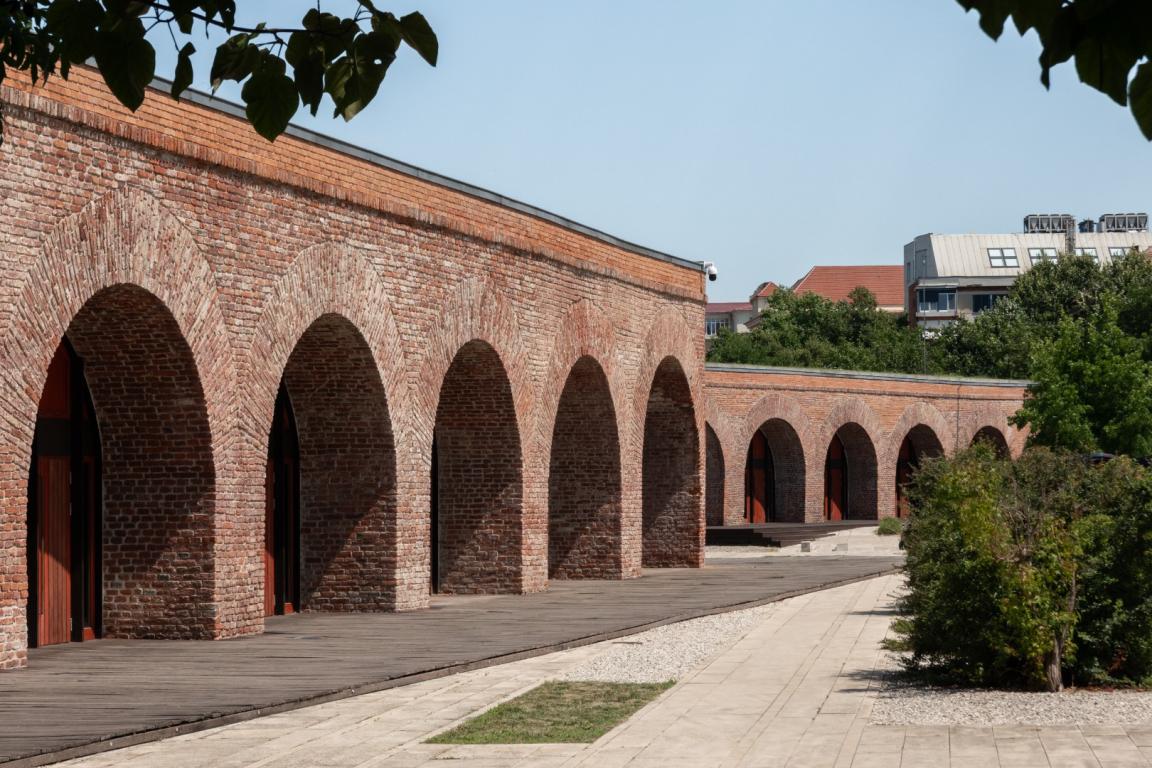
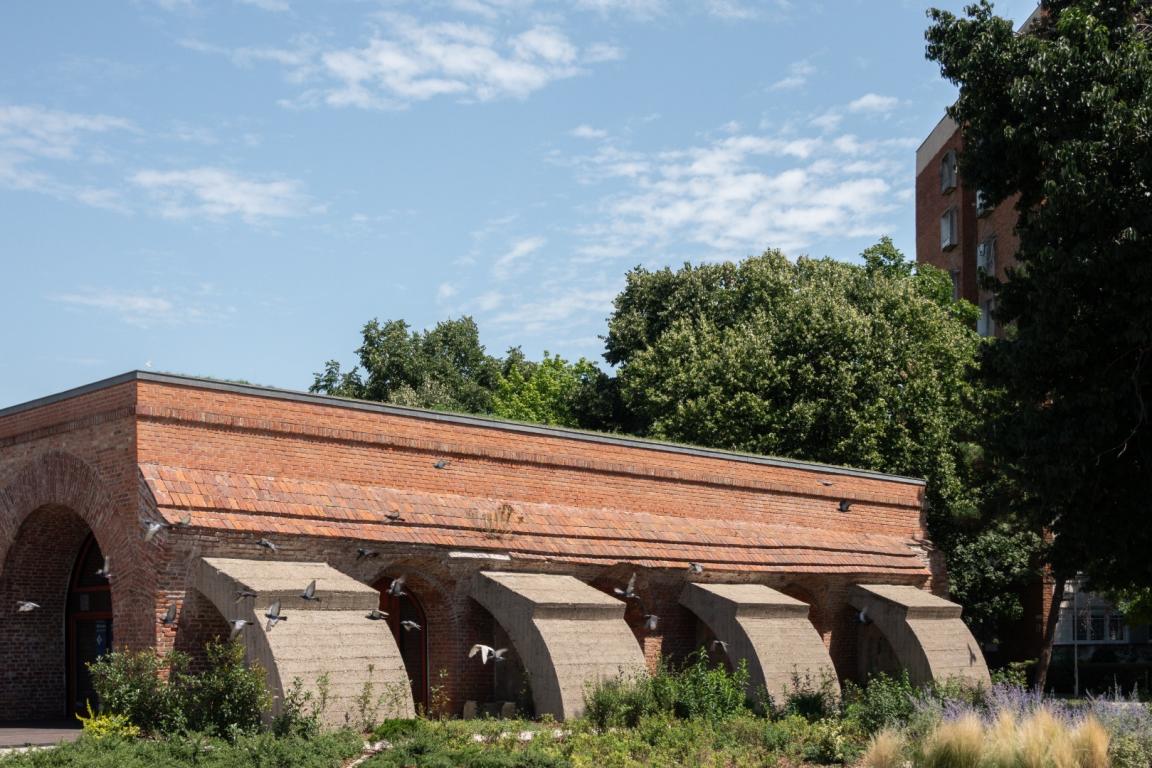
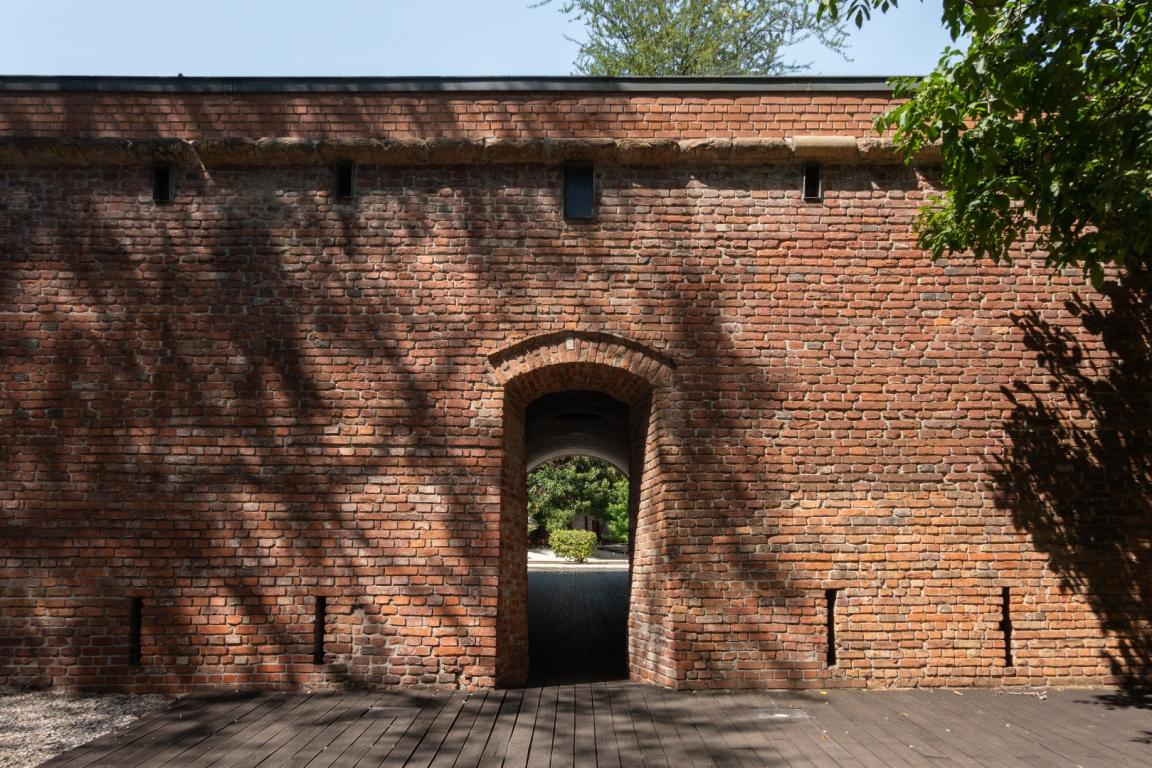
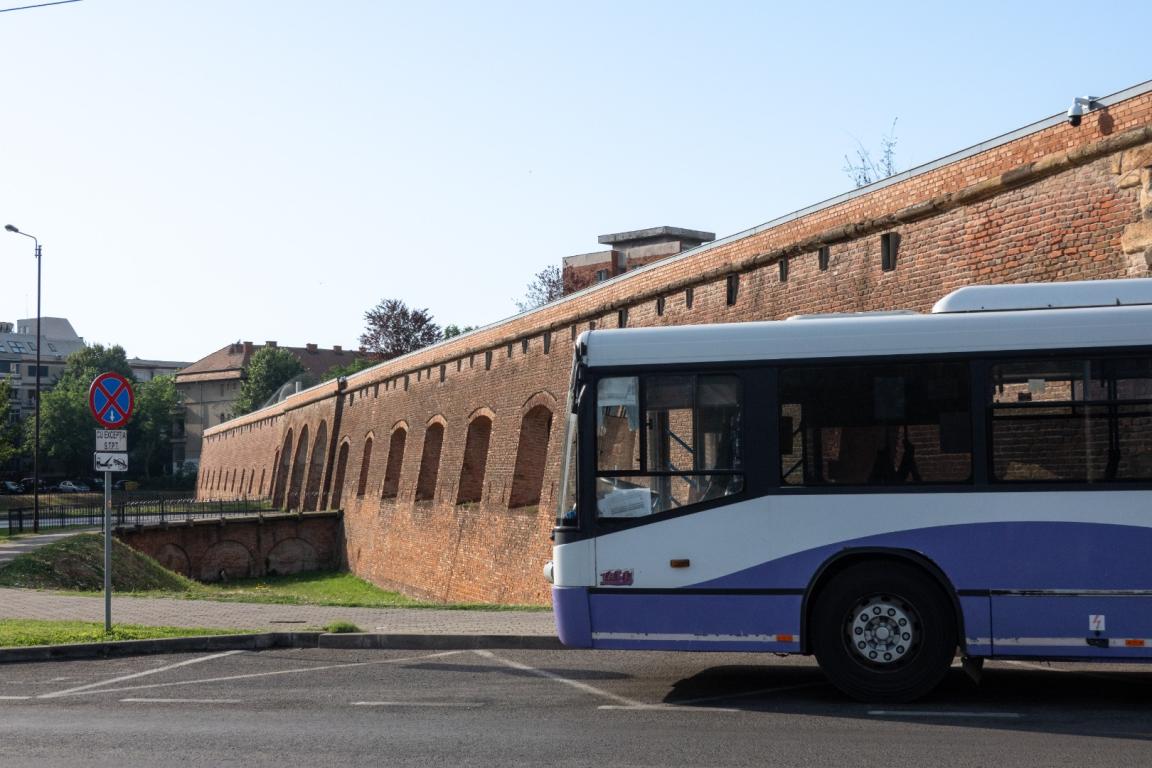
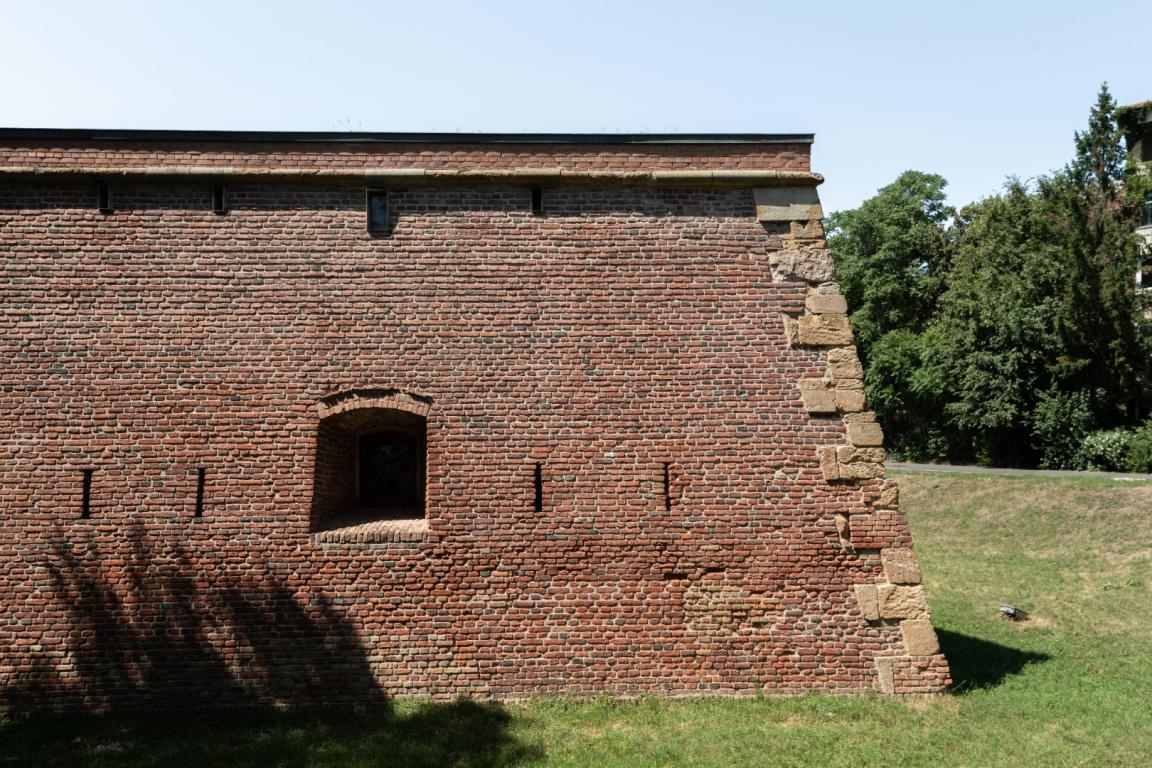
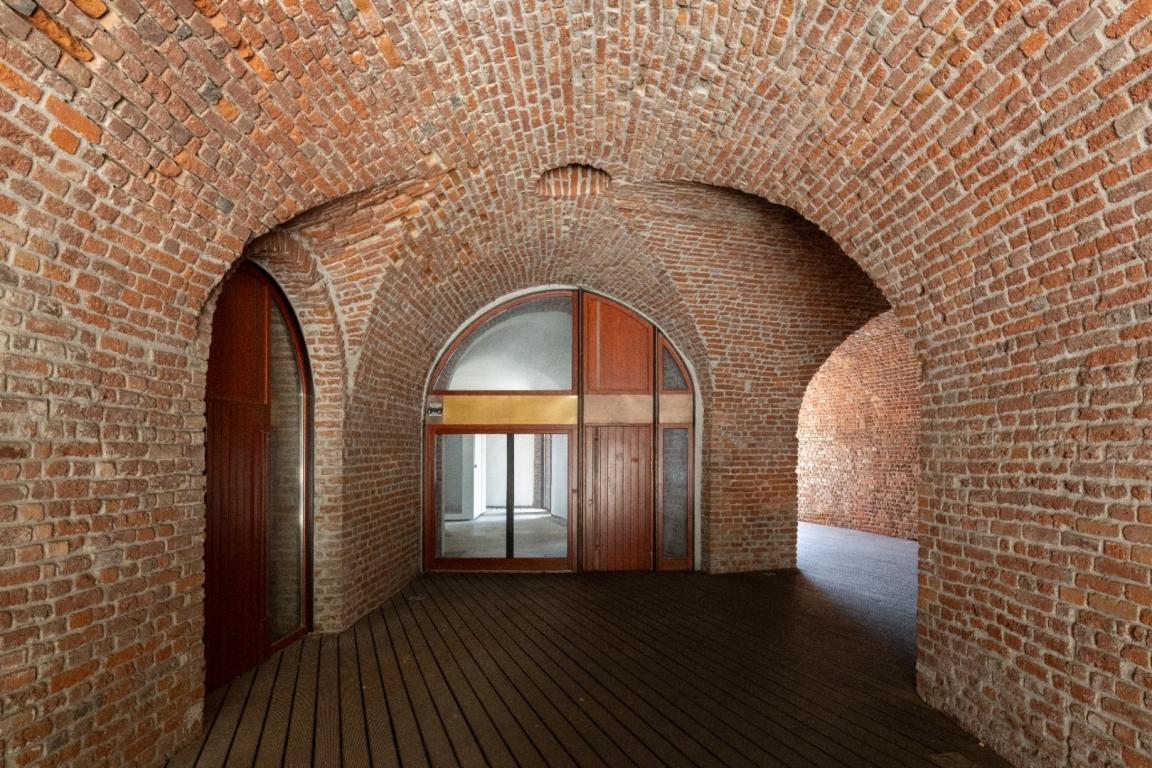
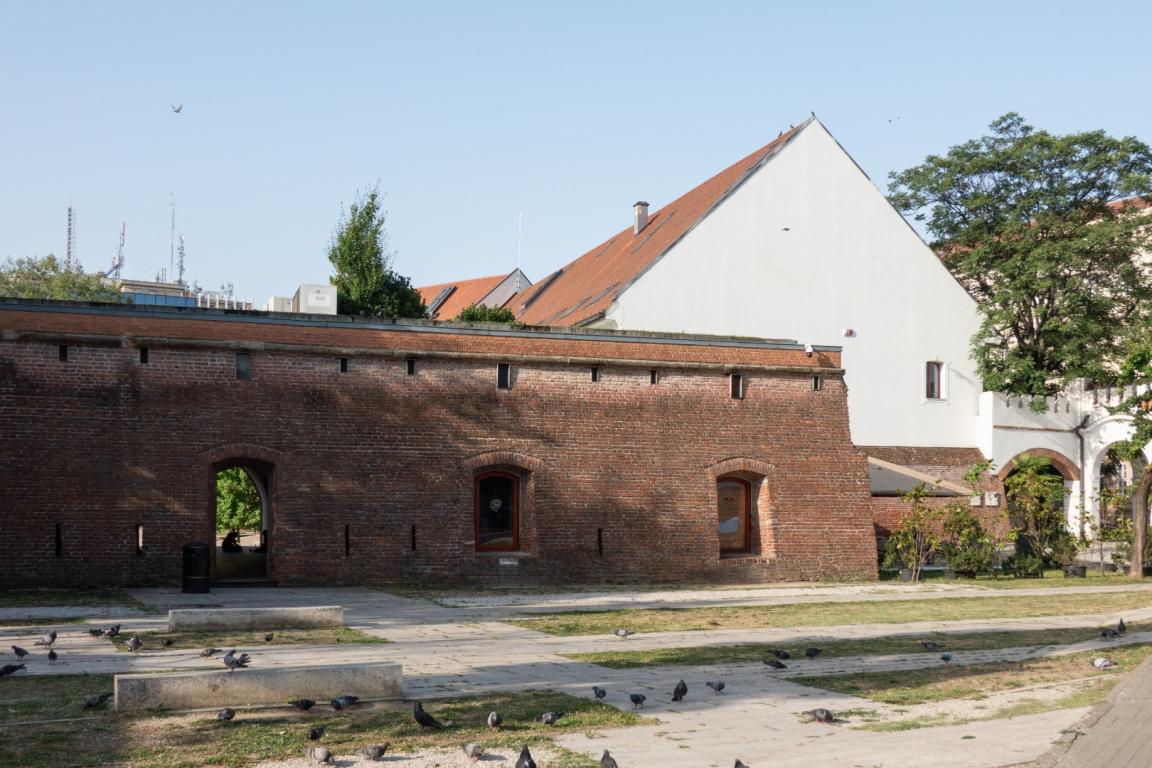
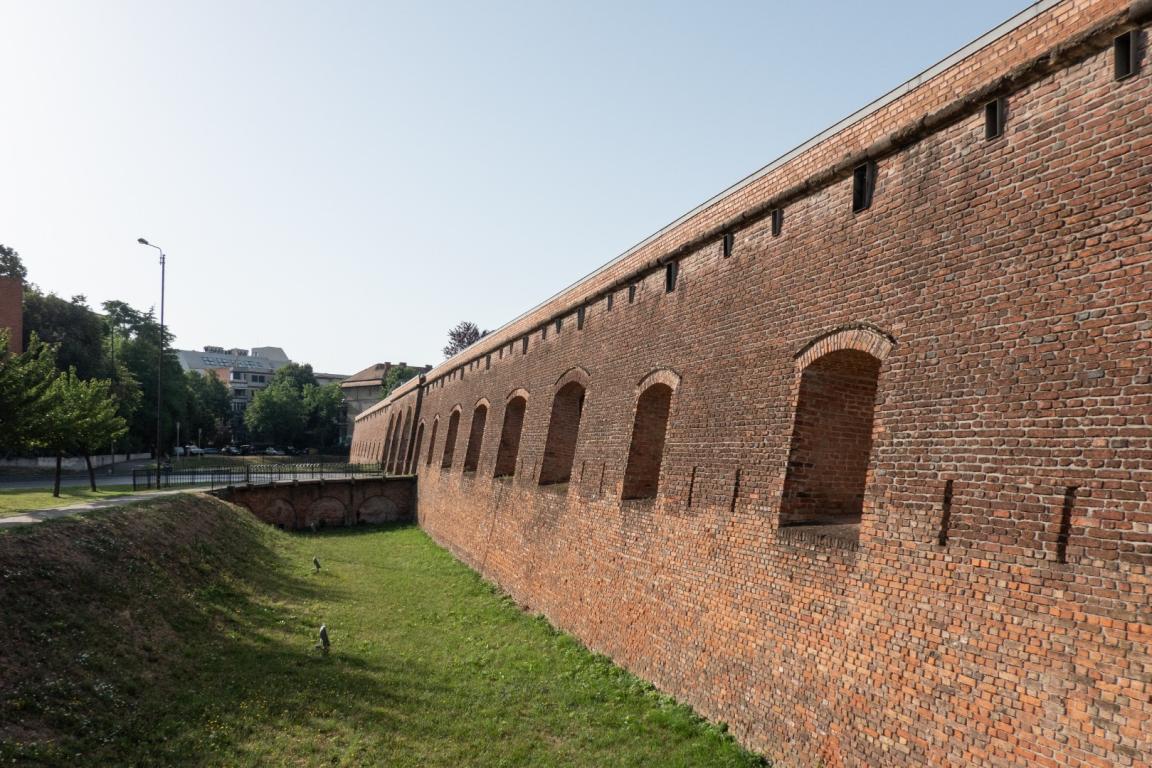
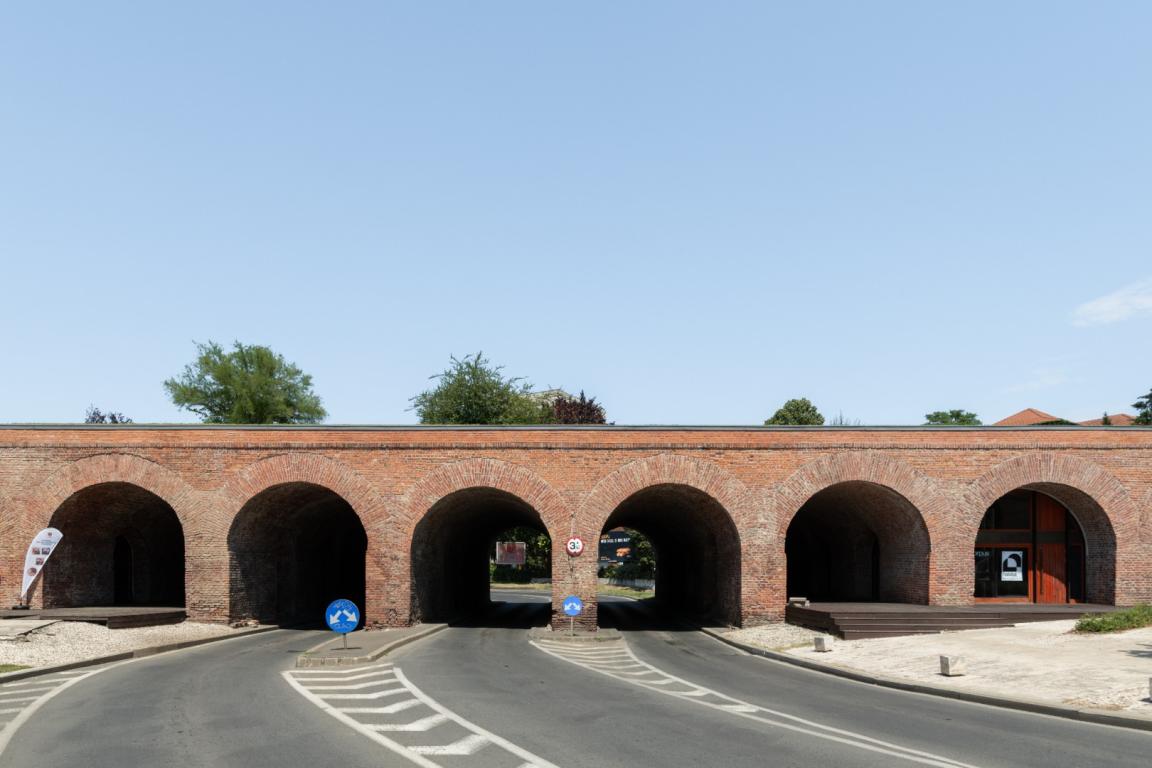
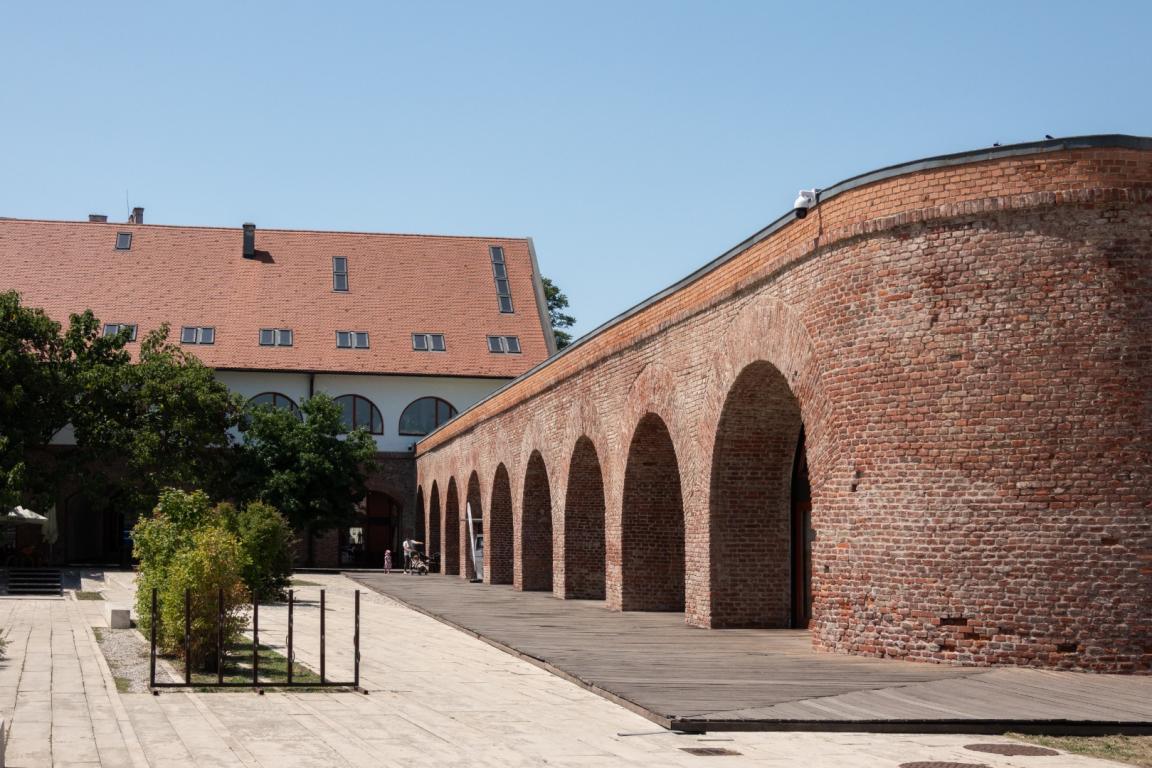
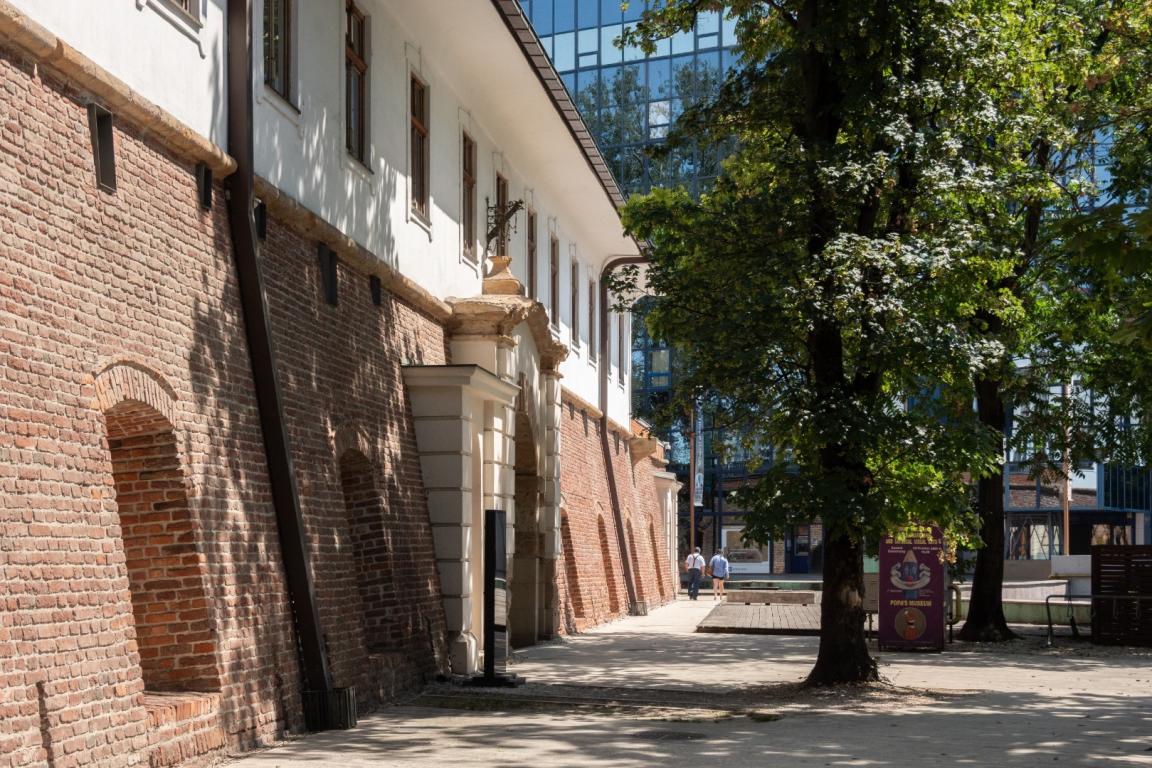
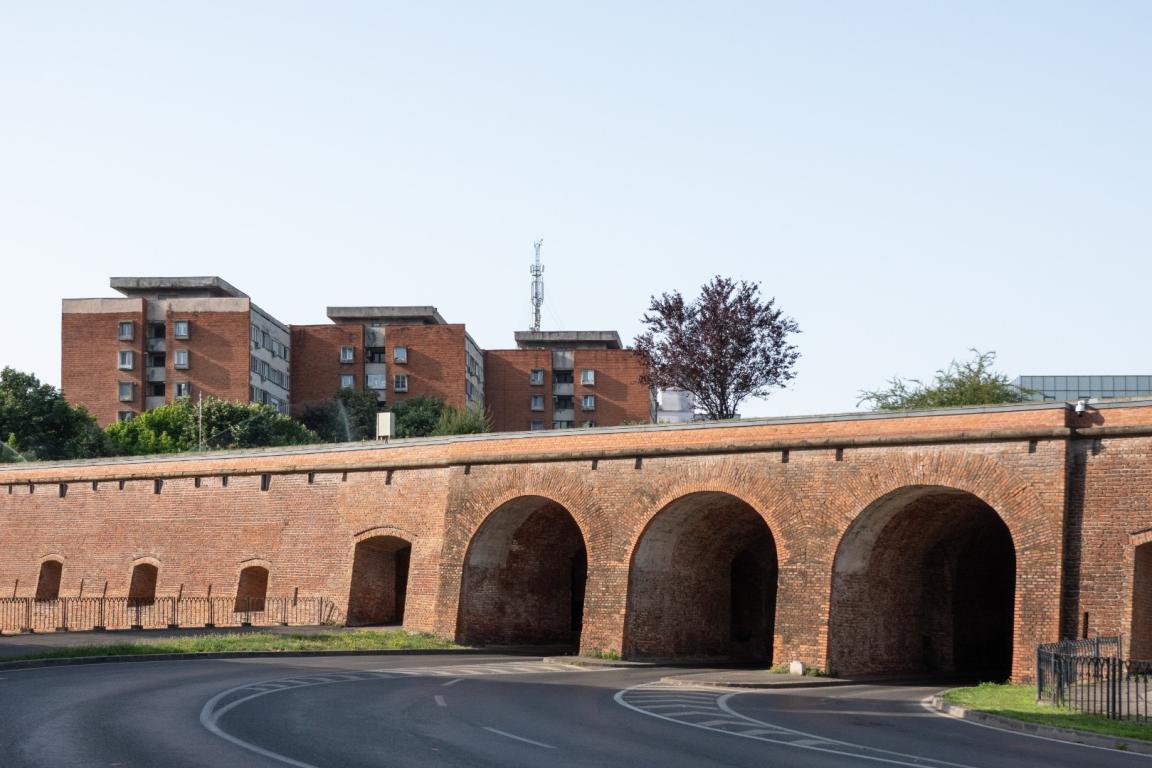
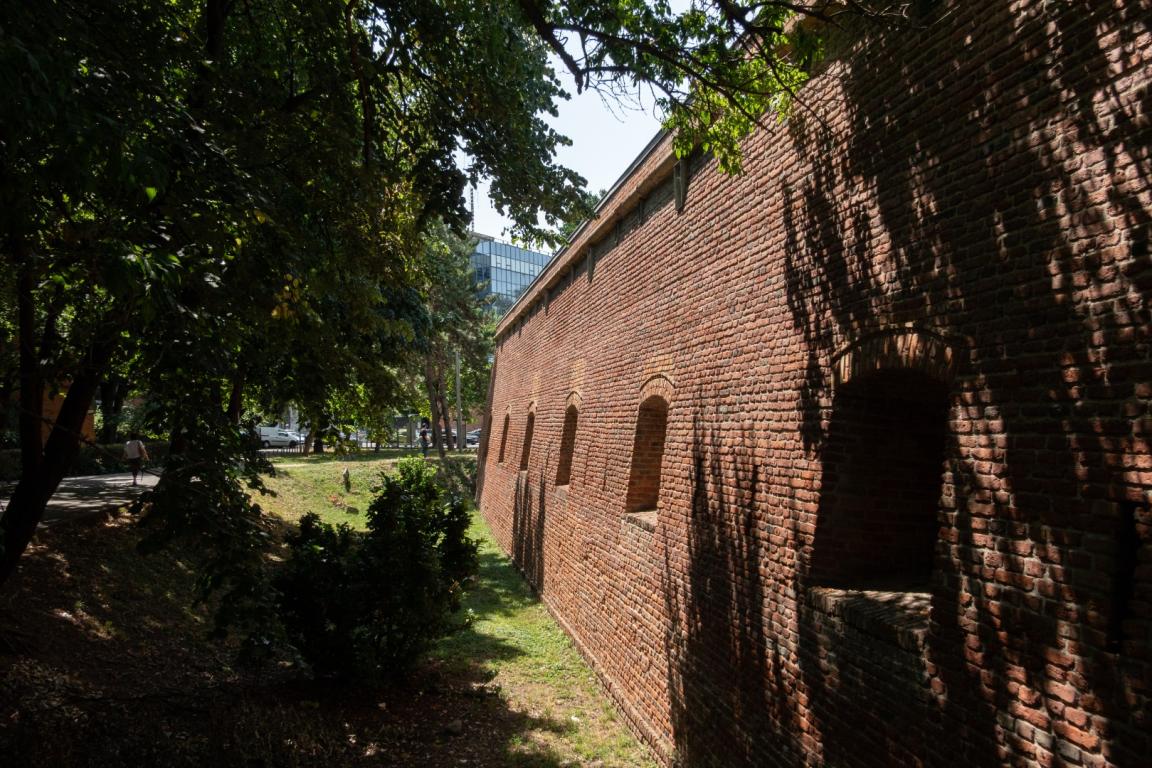
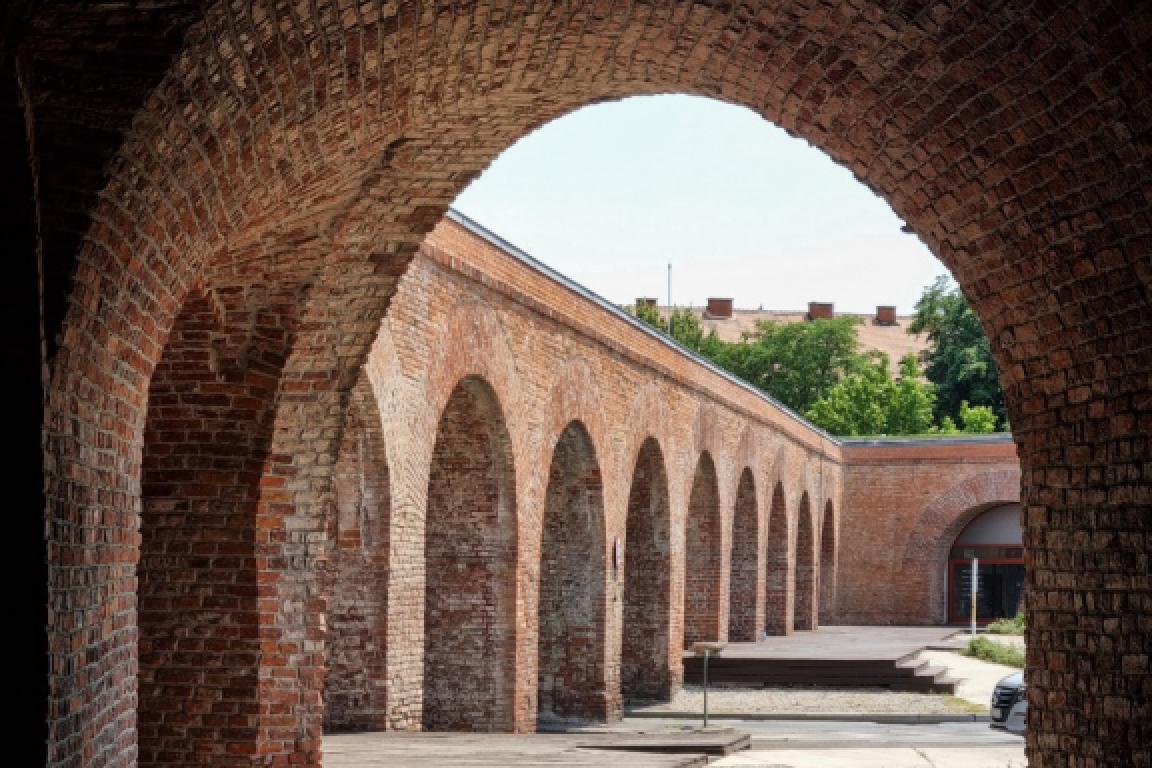
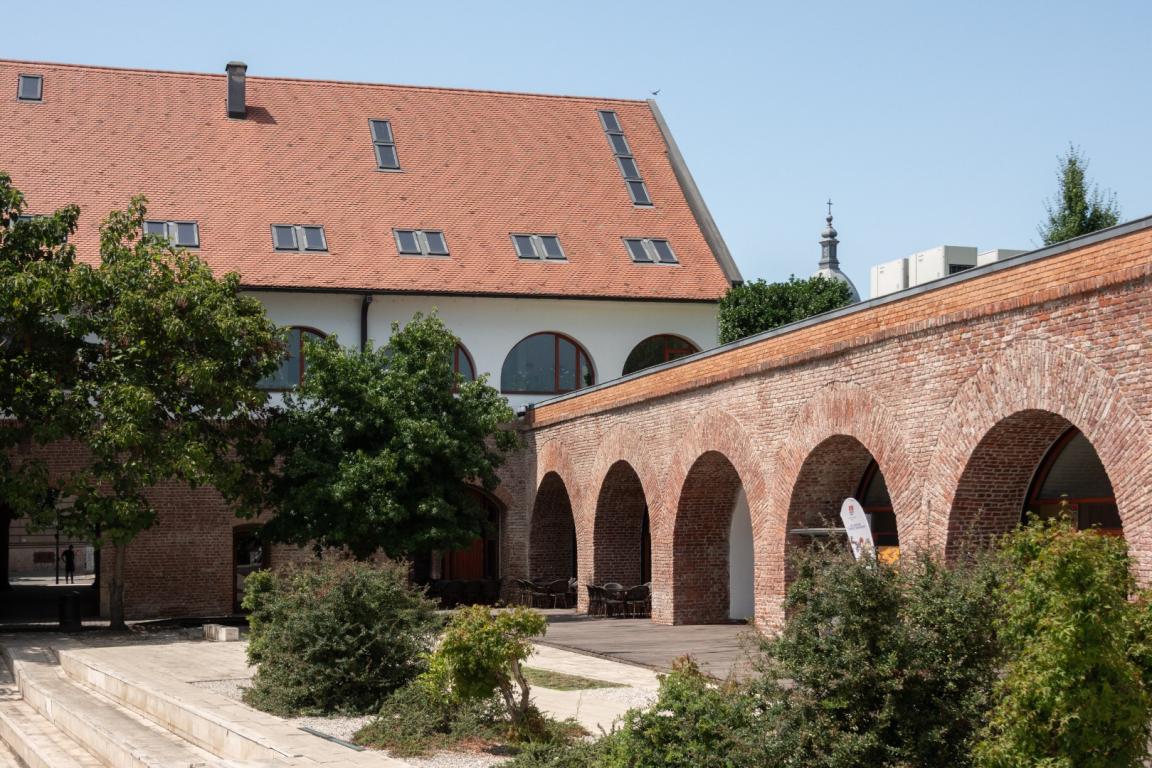
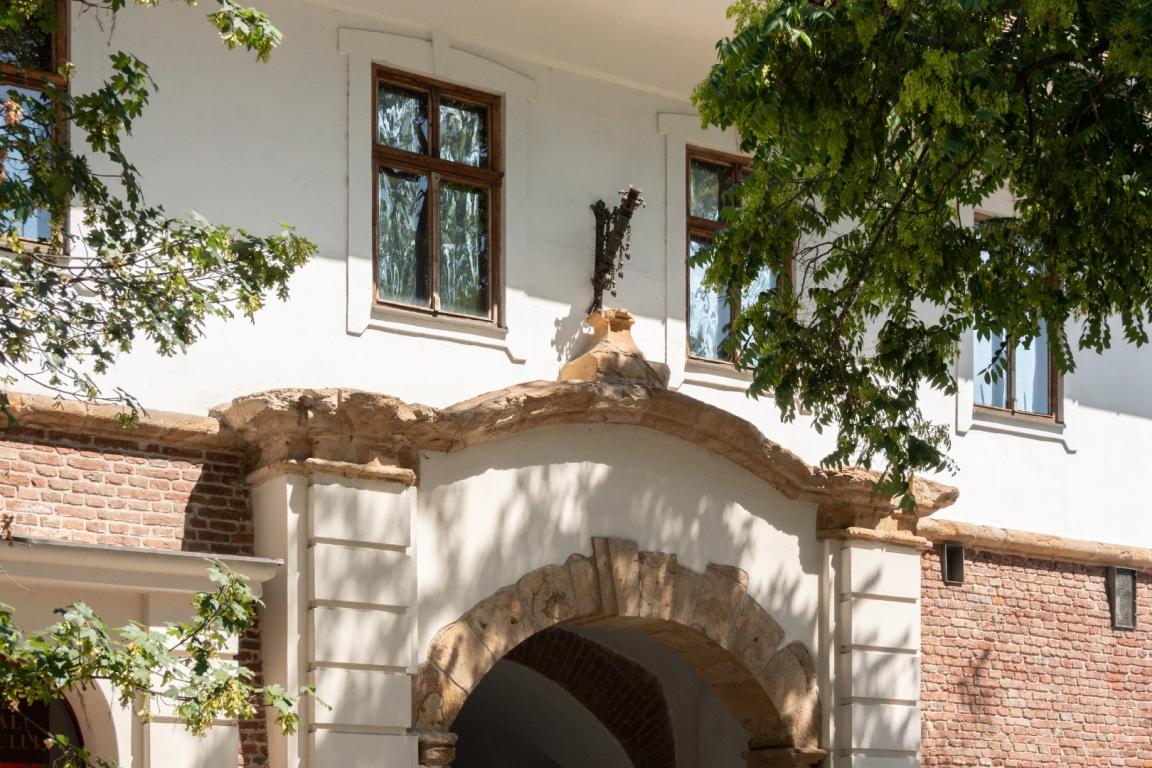
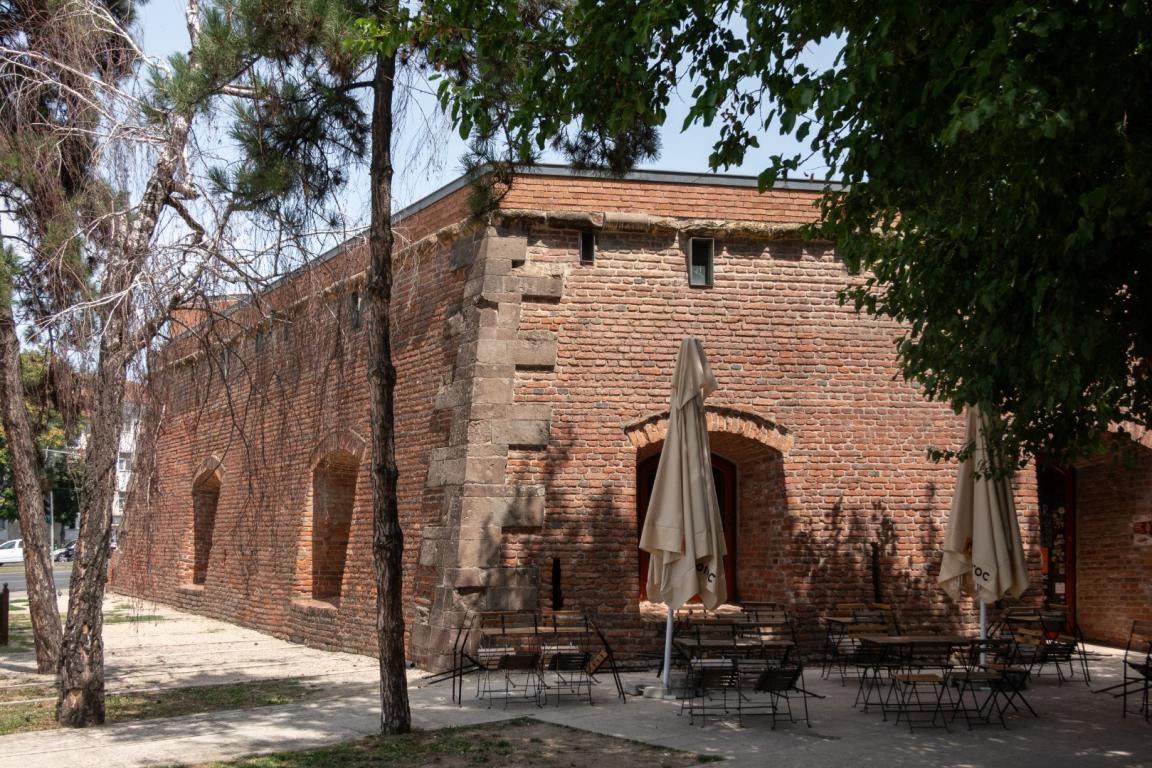
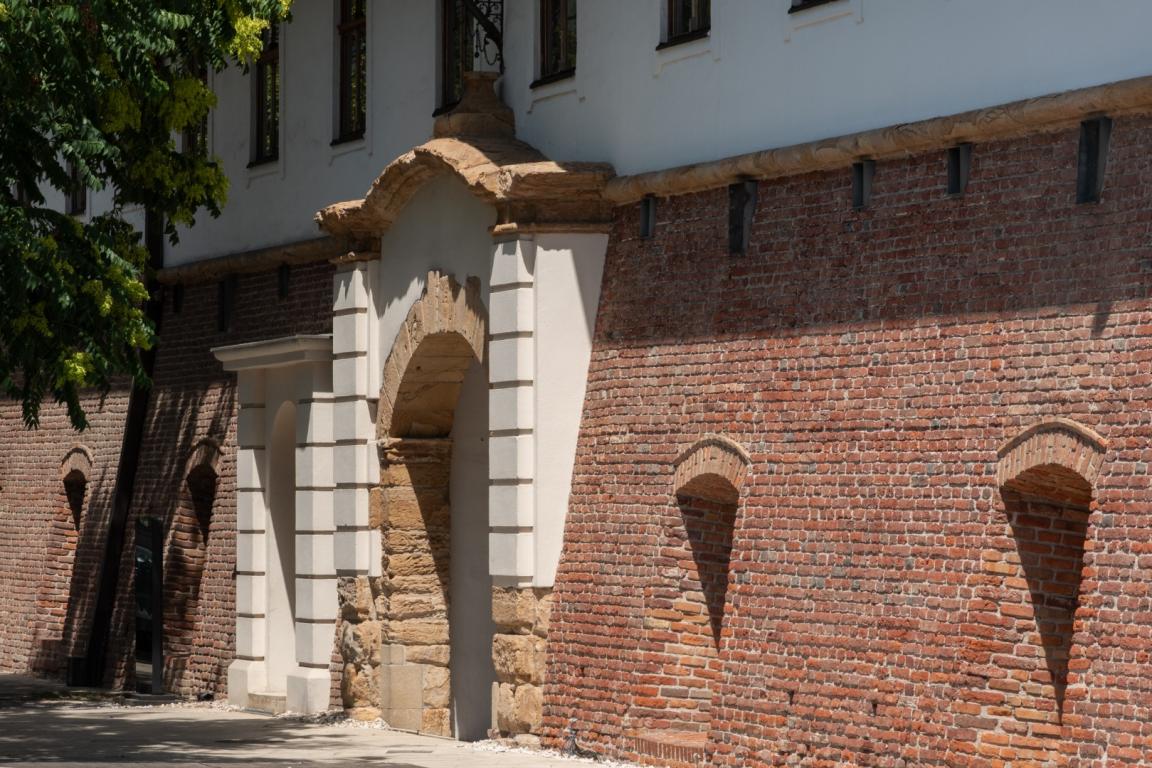
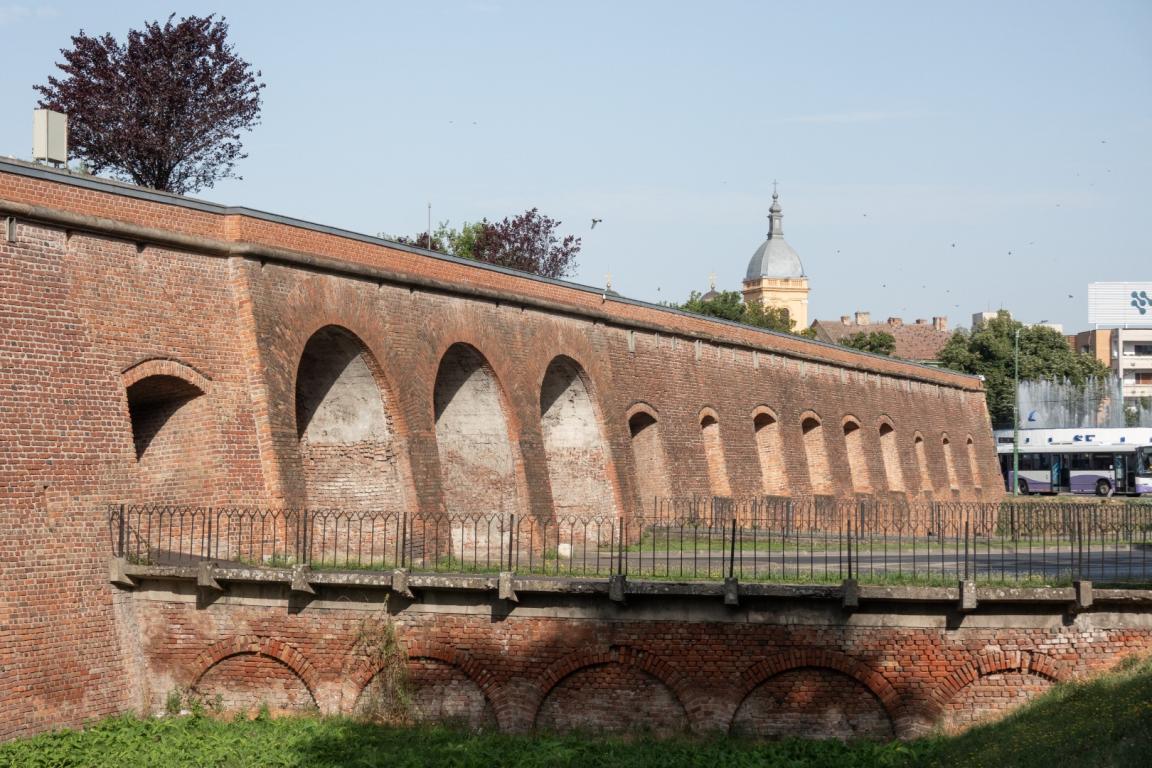
Originally known as the Provisions Bastion, this structure is part of the first defensive ring of Timișoara’s bastionary fortress. It was the first of the nine bastions to be completed (1734) and is the only one preserved almost in its entirety. Construction began in 1732, its primary function being the fortified storage of food supplies, with a capacity of up to 2,800 tons of flour, supported by its own infrastructure (bakeries, water supply).
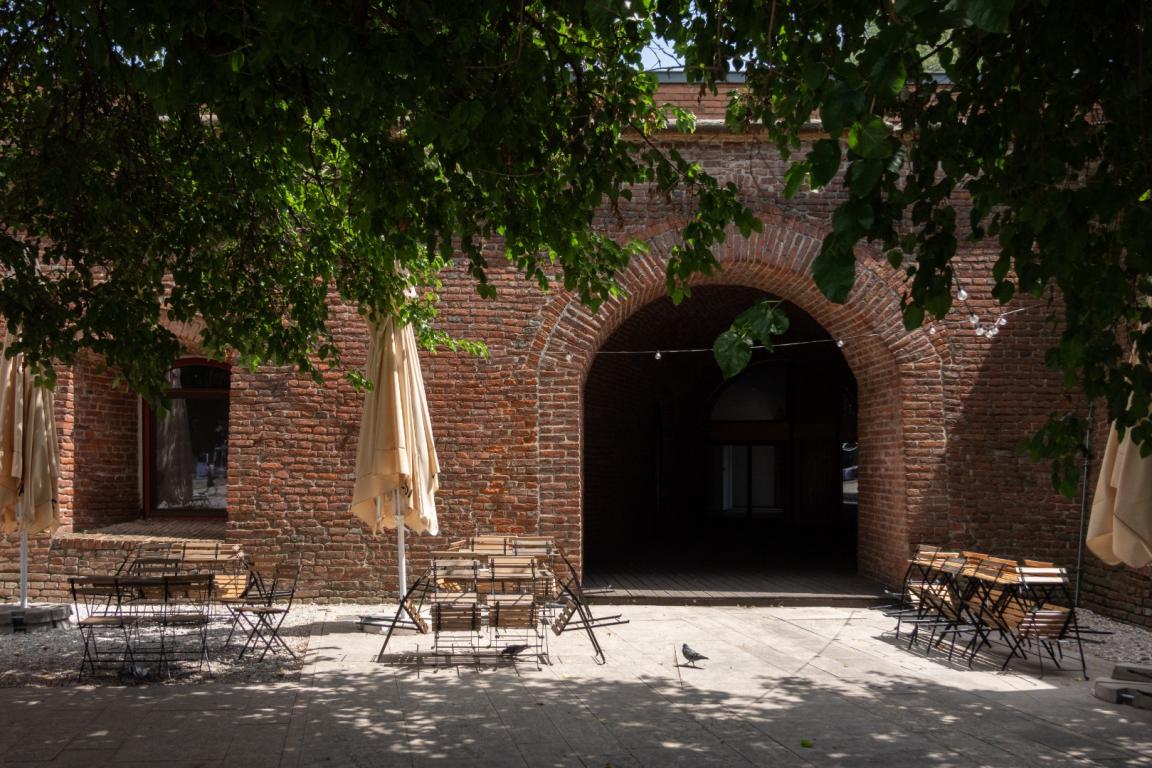
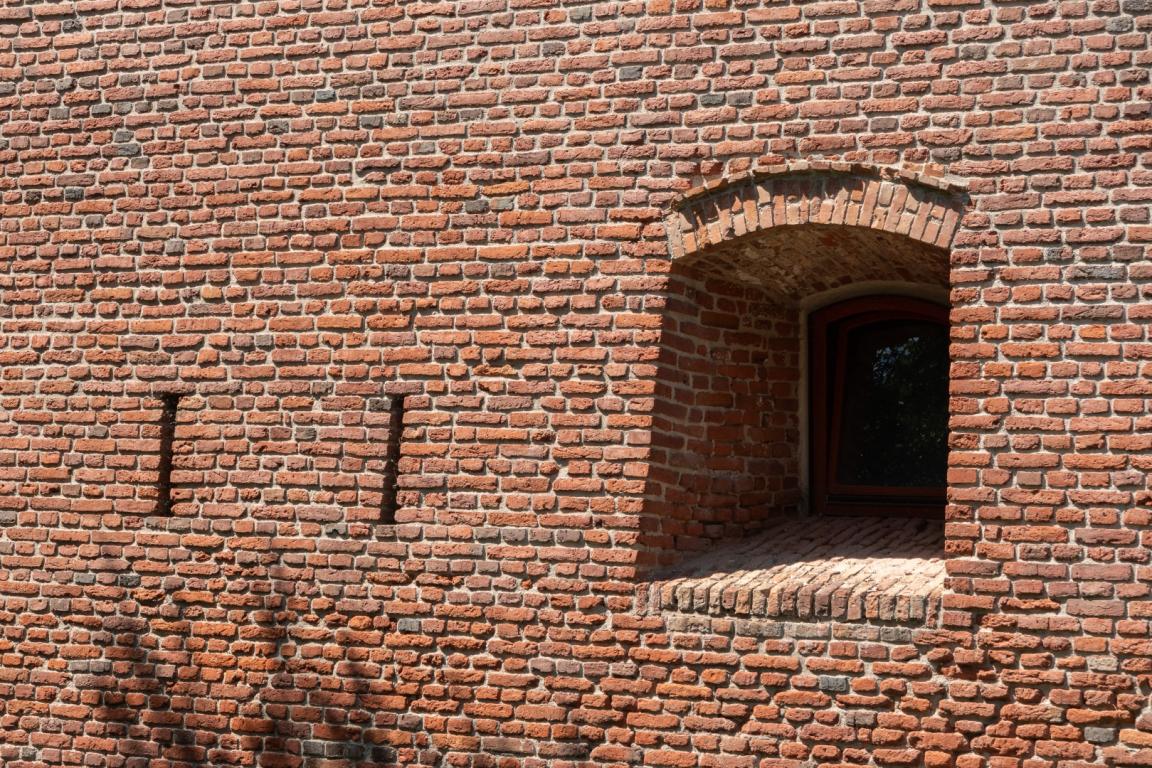
Its layout is unique: it features an enclosed inner courtyard, external flanking “ears,” and casemates along its entire length. It was heavily fortified and separated from the city by a flooded moat, accessed via bridges. In 1744, it was named after Empress Maria Theresa.
The bastion was continuously upgraded throughout the 18th century and played a key defensive role, including during the 1849 siege. By the late 19th century, it was demilitarized and adapted to civilian and industrial uses.
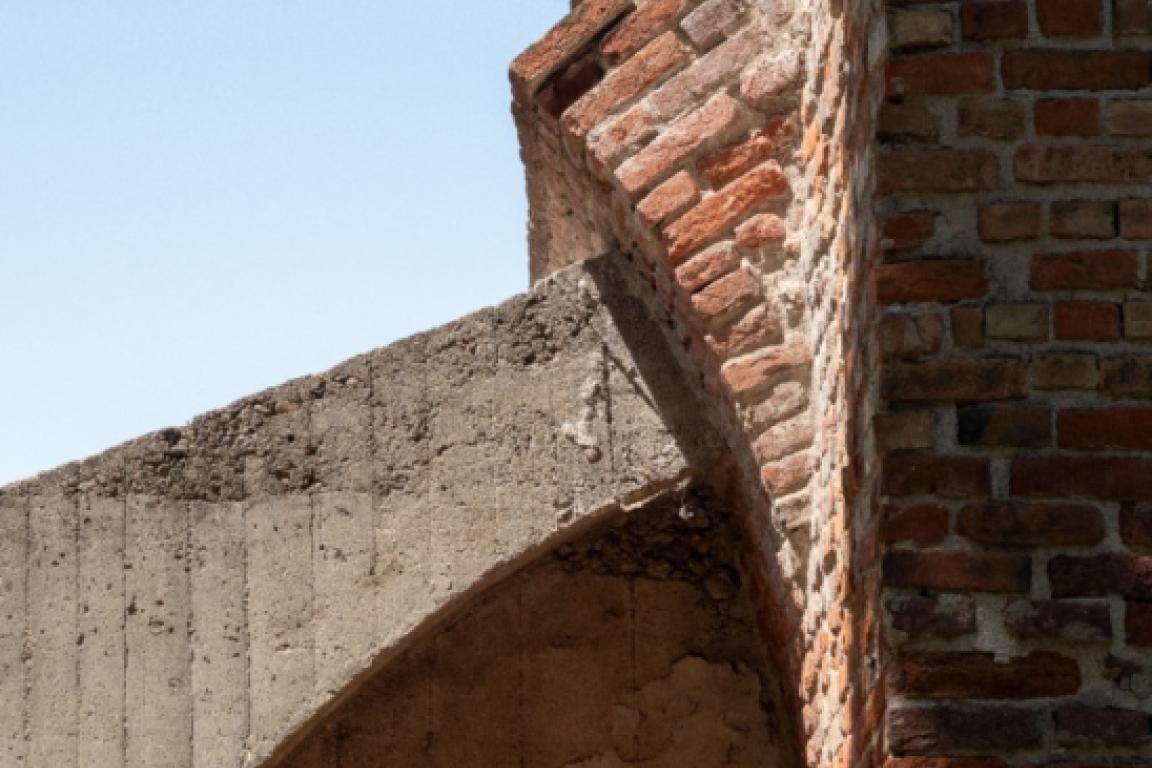
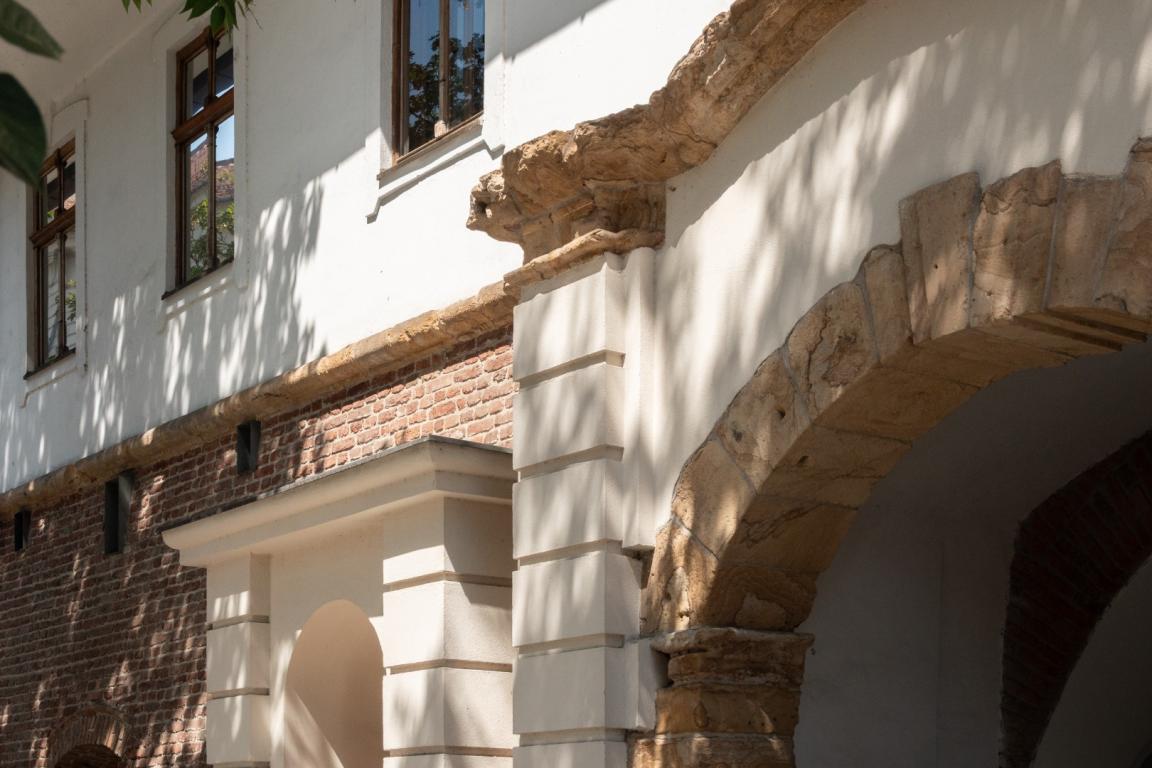
Despite plans for its demolition—including proposals in the 1930s—it was ultimately preserved. Major restoration works took place in 1968–1969 (with significant alterations, including partial demolition) and again between 2008 and 2010, when some original features were unfortunately lost.