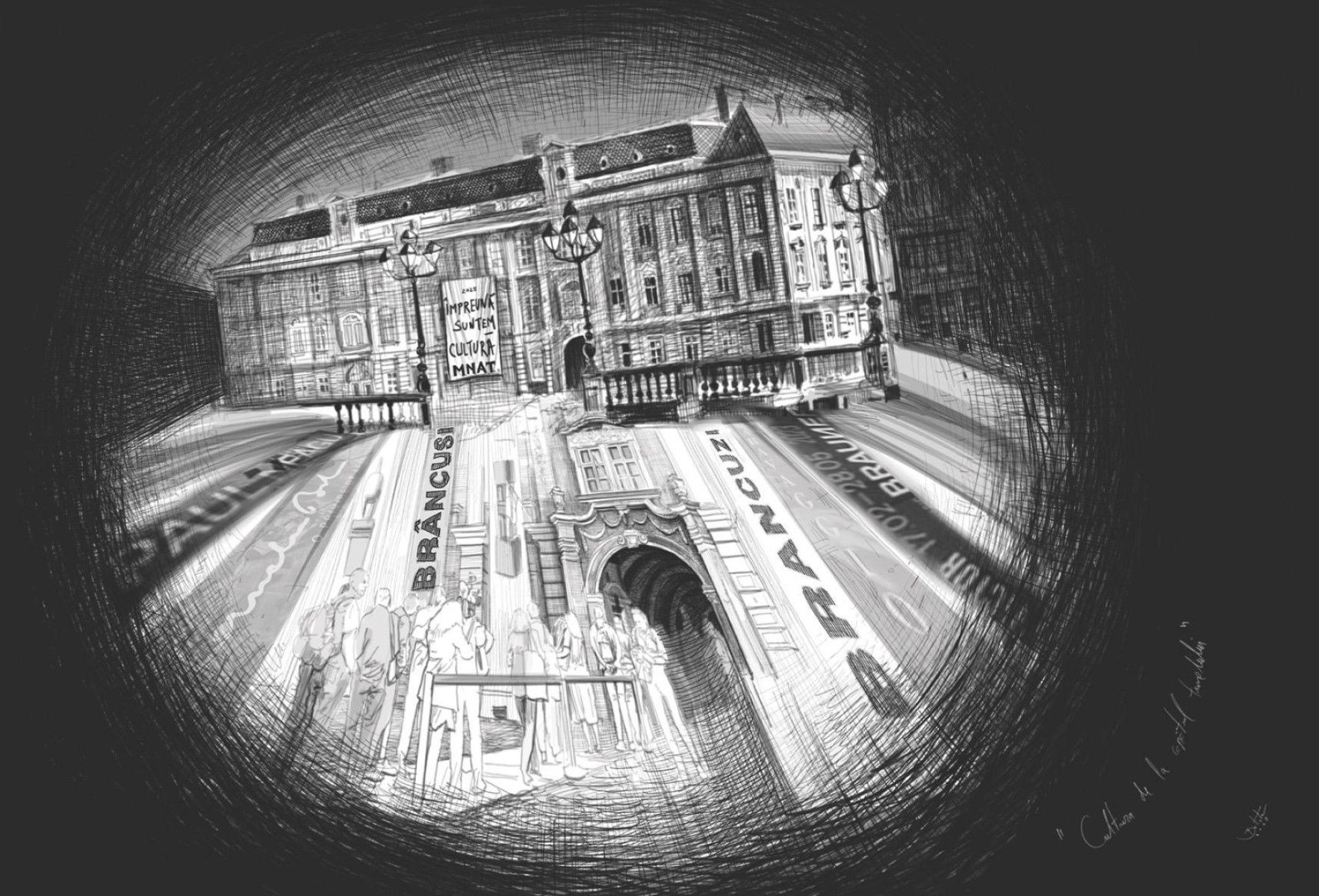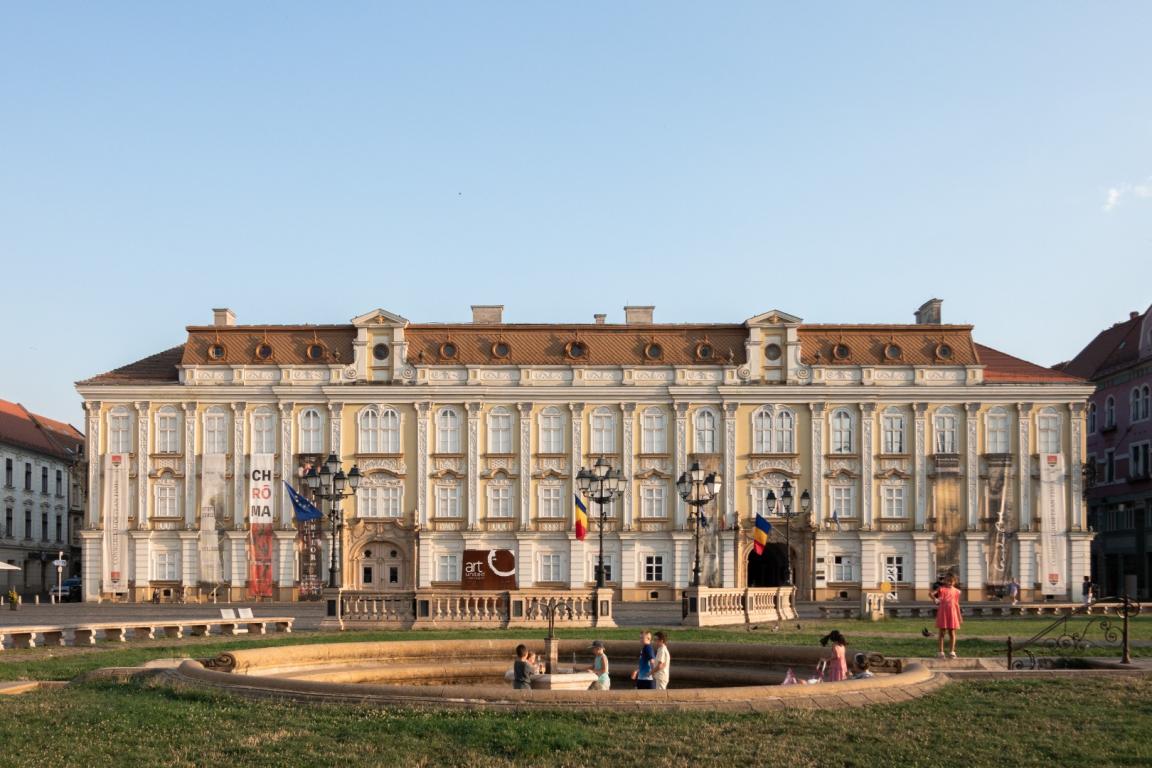
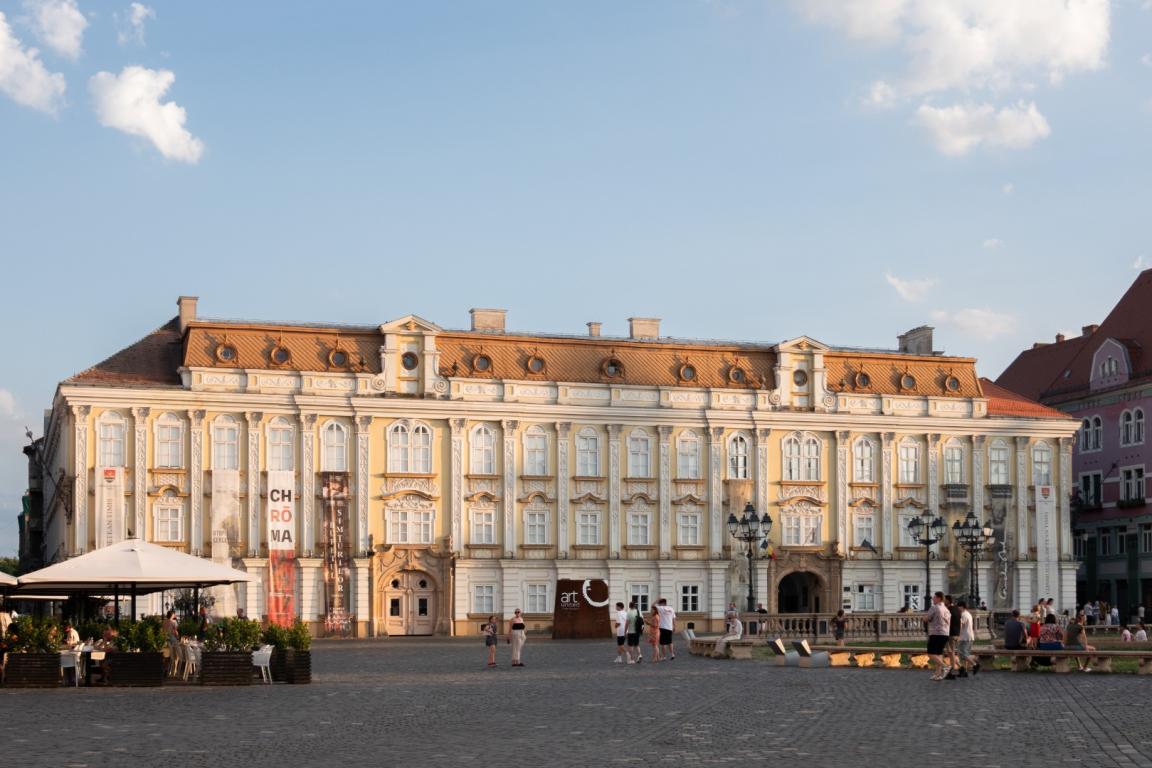
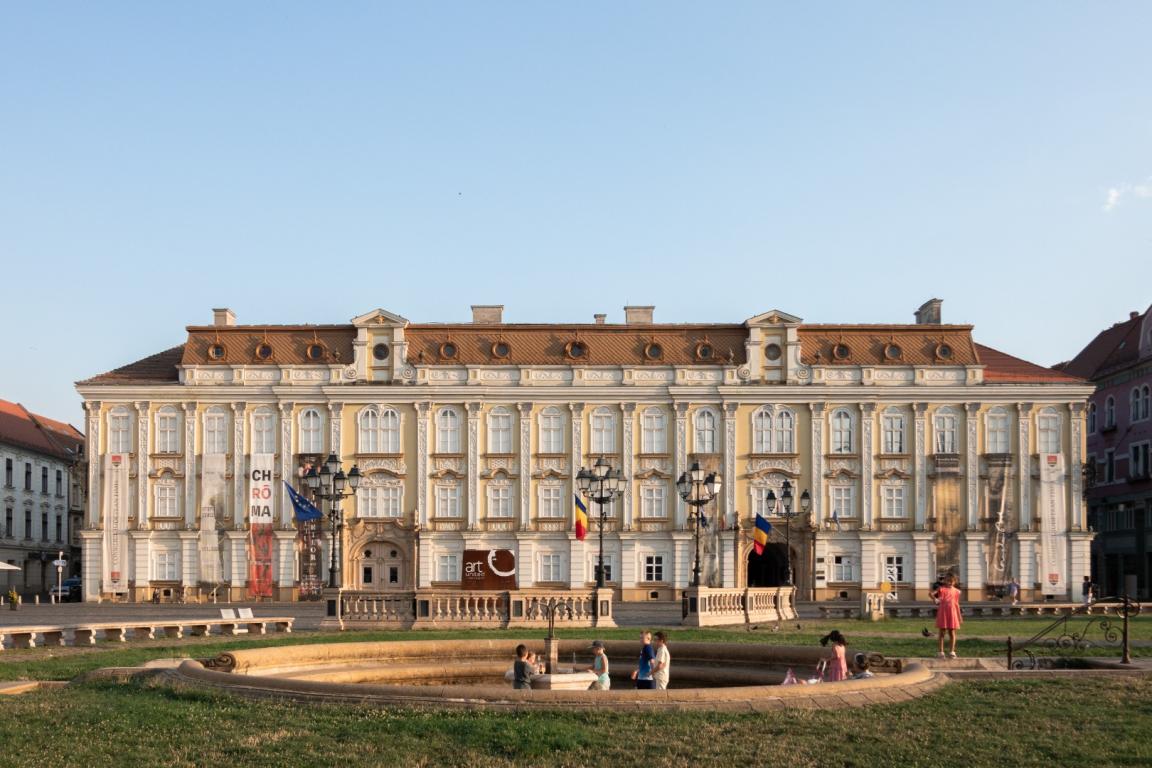
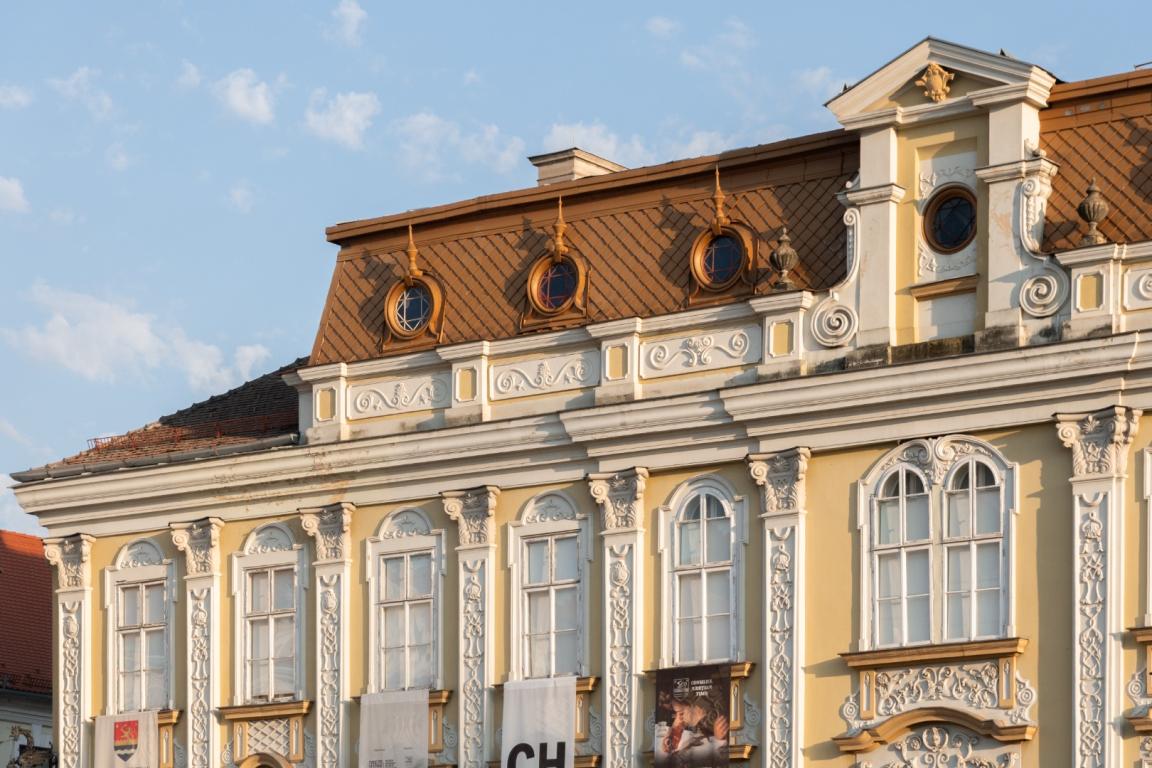
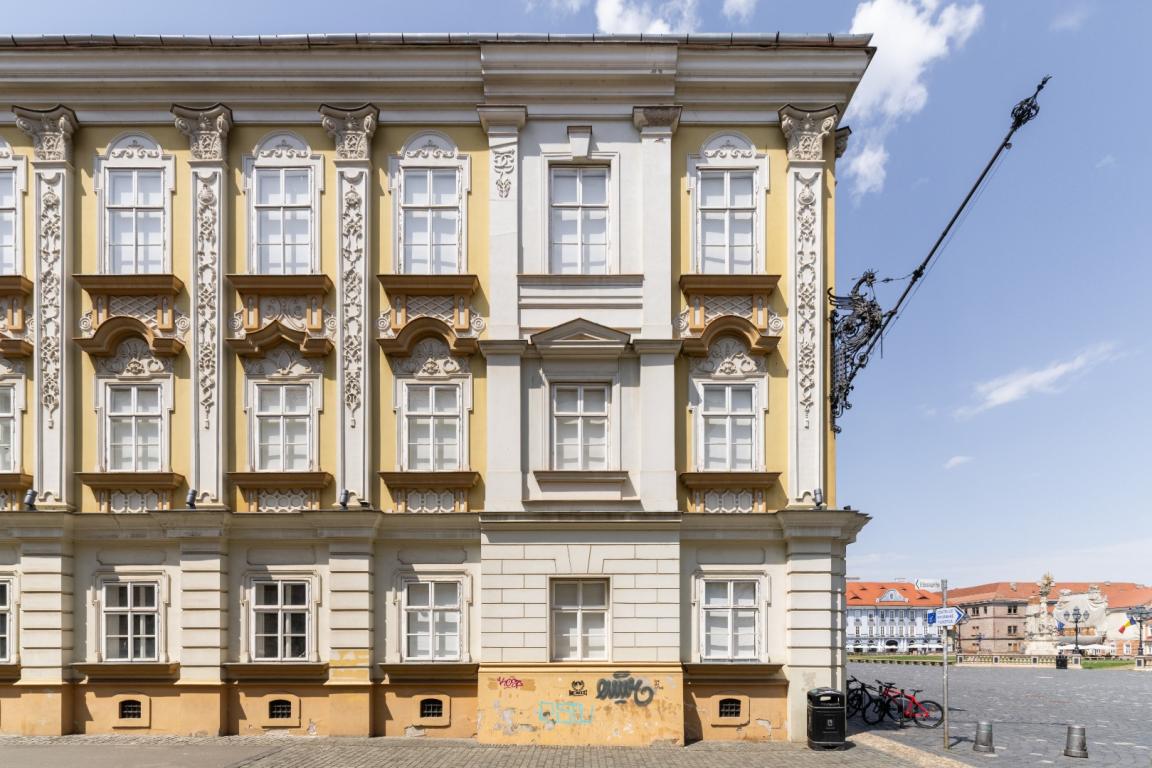
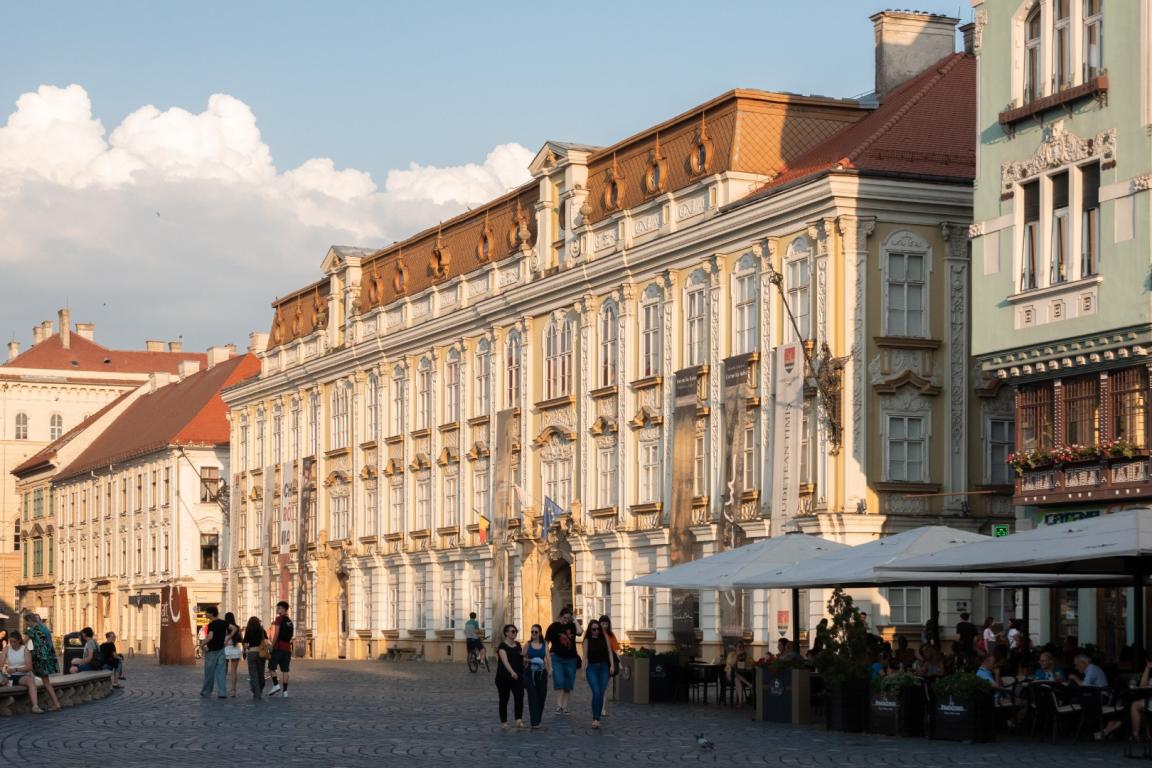
The Baroque Palace, now home to the National Museum of Art Timișoara, is one of the city’s most important buildings, having fulfilled diverse functions over time and undergone multiple renovations as well as volumetric and stylistic changes. The building has been visited by several notable figures in history: Joseph II in 1767 – the first Christian emperor to set foot in the city in 300 years; Emperor Franz Joseph in 1872, who visited Banat to address the region’s recurring flood problems; Franz Liszt, who performed there on November 2, 1846; and King Ferdinand I together with Queen Marie in 1923.
On the present site of the museum, at the corner of Mercy Street and Union Square, once stood the Mining House, which burned down towards the late 1720s. It had served the mining officials who came to Timișoara and as a storage facility for money and mining materials. In its place, from 1734, a two-story building was erected: the Cameral House – the seat of the imperial fiscal and economic administration. At that time, the building occupied the western half of the parcel, while the eastern half was taken up by a lush garden with a fountain. By 1739, a series of annexes had been added to house stables. In the 1754 plan legend, the building facing Union Square is recorded with a different function, hosting the seat of the Governor of Banat, and was raised by an additional story between 1746–1747, resulting in a ground floor plus two upper floors. Most of the vaulted first floor was occupied by the Chancellery of the Provincial Administration and its archive, while the rest of the building served as the residence of the administration’s first counselor and a chancery official.
Between 1783–1786, the palace was expanded into the eastern half of the parcel, along Union Square and Pacha Street, reaching its current footprint. At that time, it served as the County House, housing the Royal Hungarian Commissioner, the Vice-Ispán, and the county’s officials and offices. In the right wing of the ground floor functioned the cameral accounting office. After the 1848 Revolution, more precisely in 1855, Timișoara became part of Serbian Vojvodina and Banat of Timiș, and the Baroque Palace became the seat of the Governor of Serbian Vojvodina until 1860. From then until 1939, it hosted the Prefecture and the Museum.
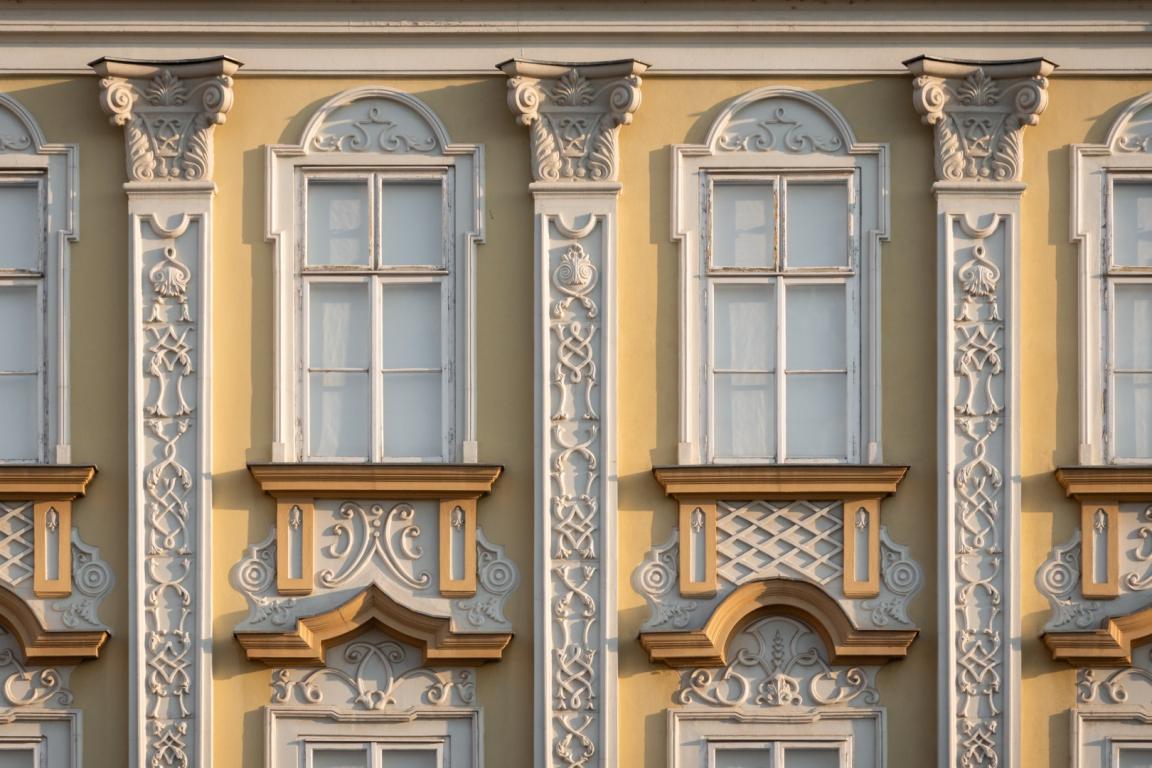
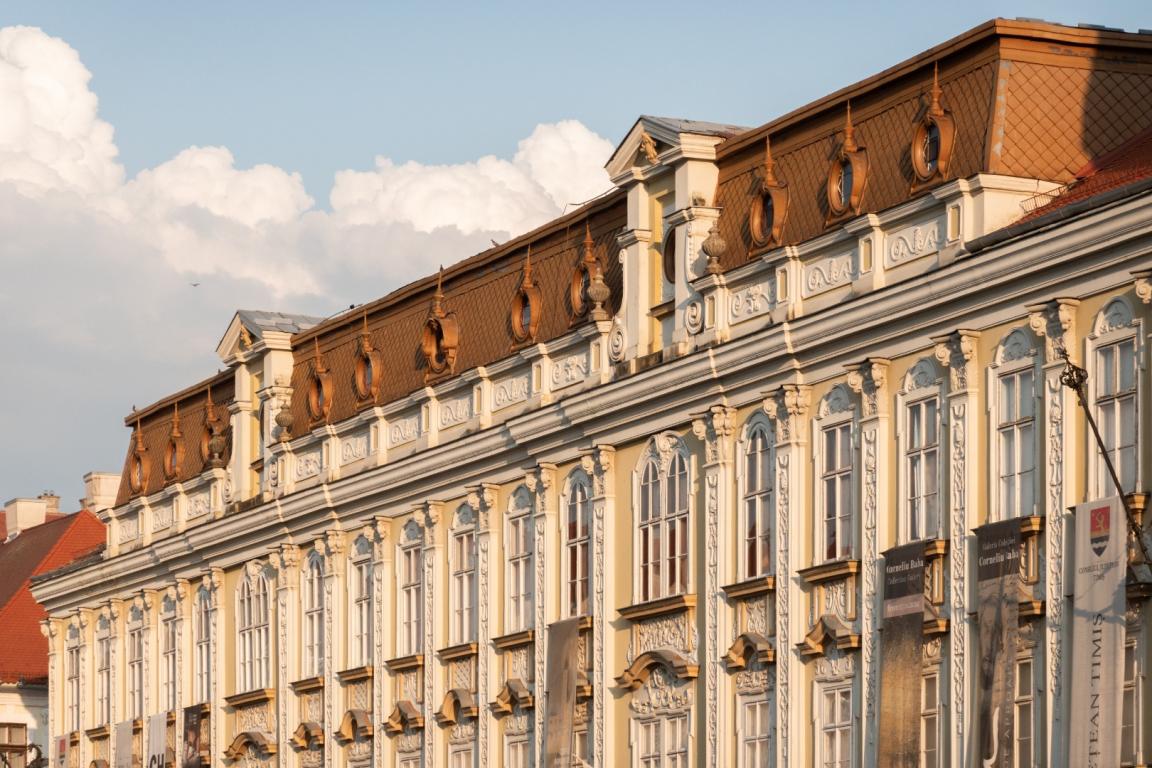
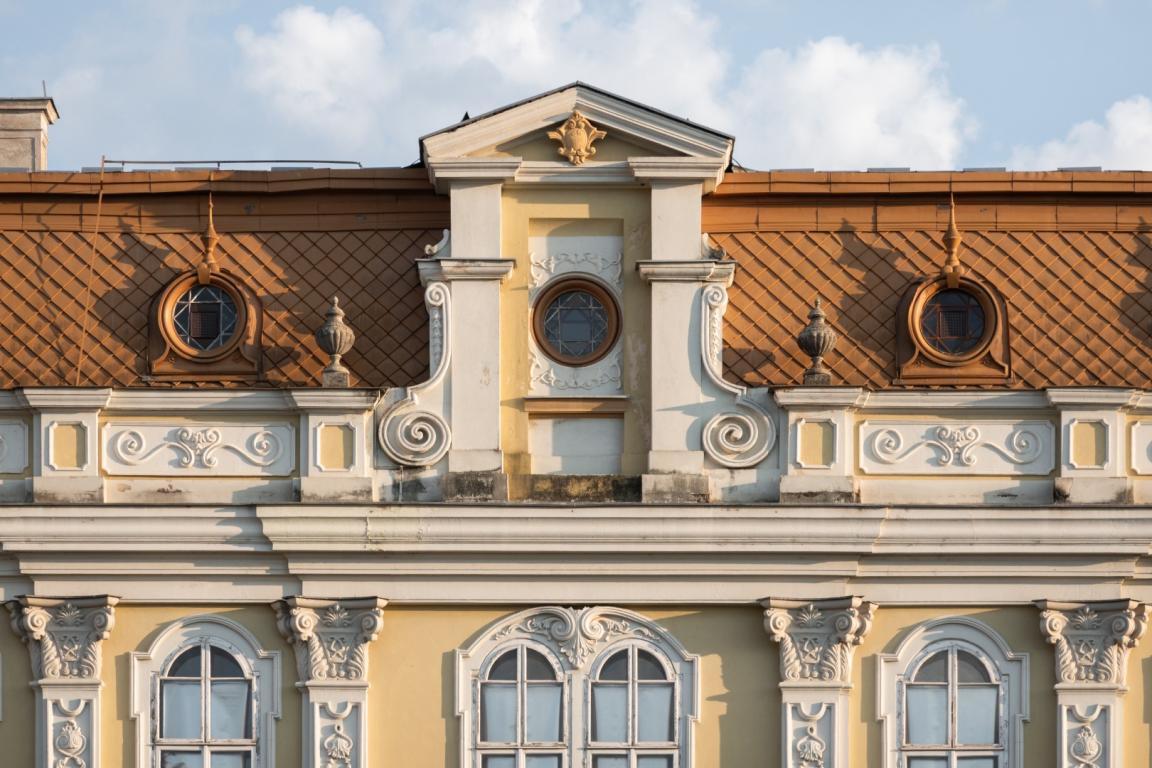
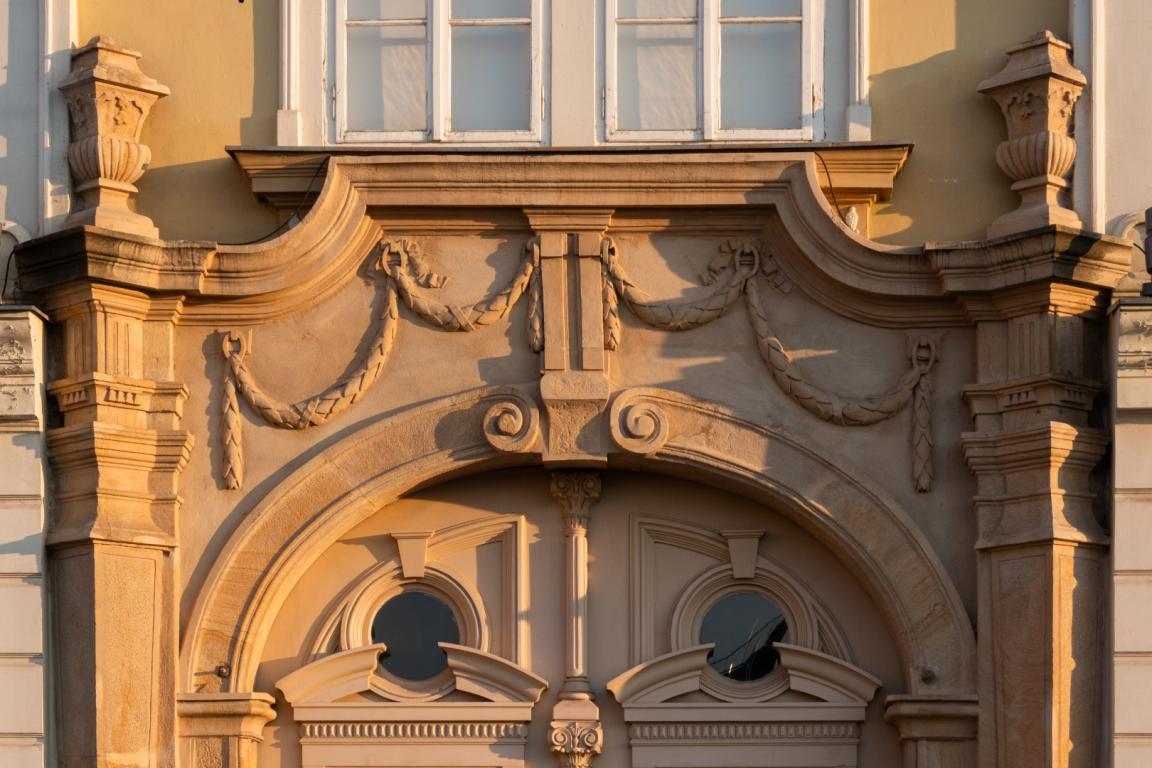
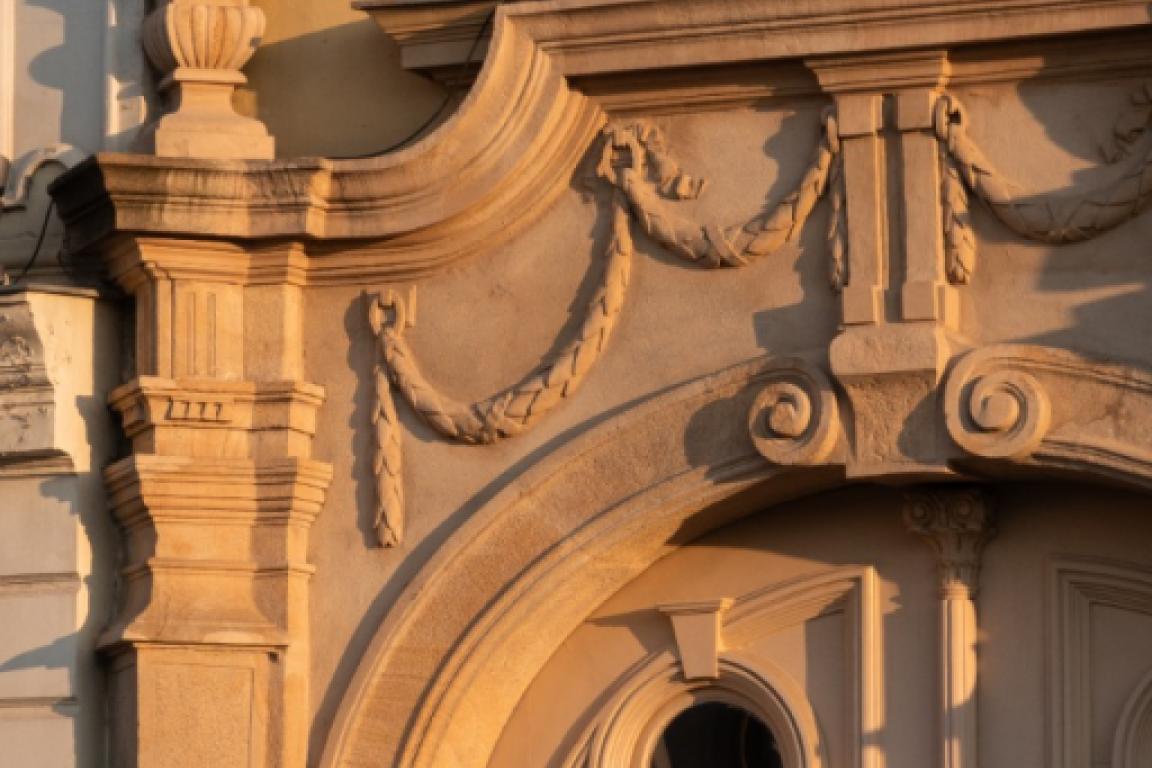
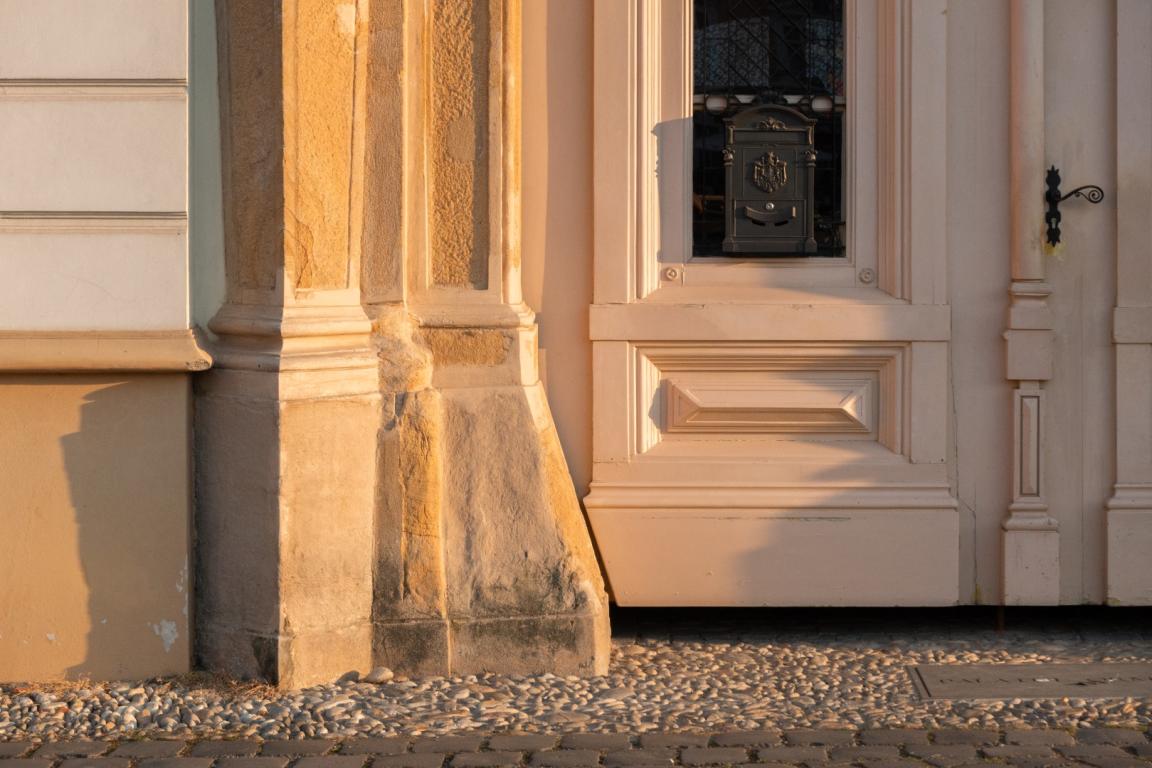
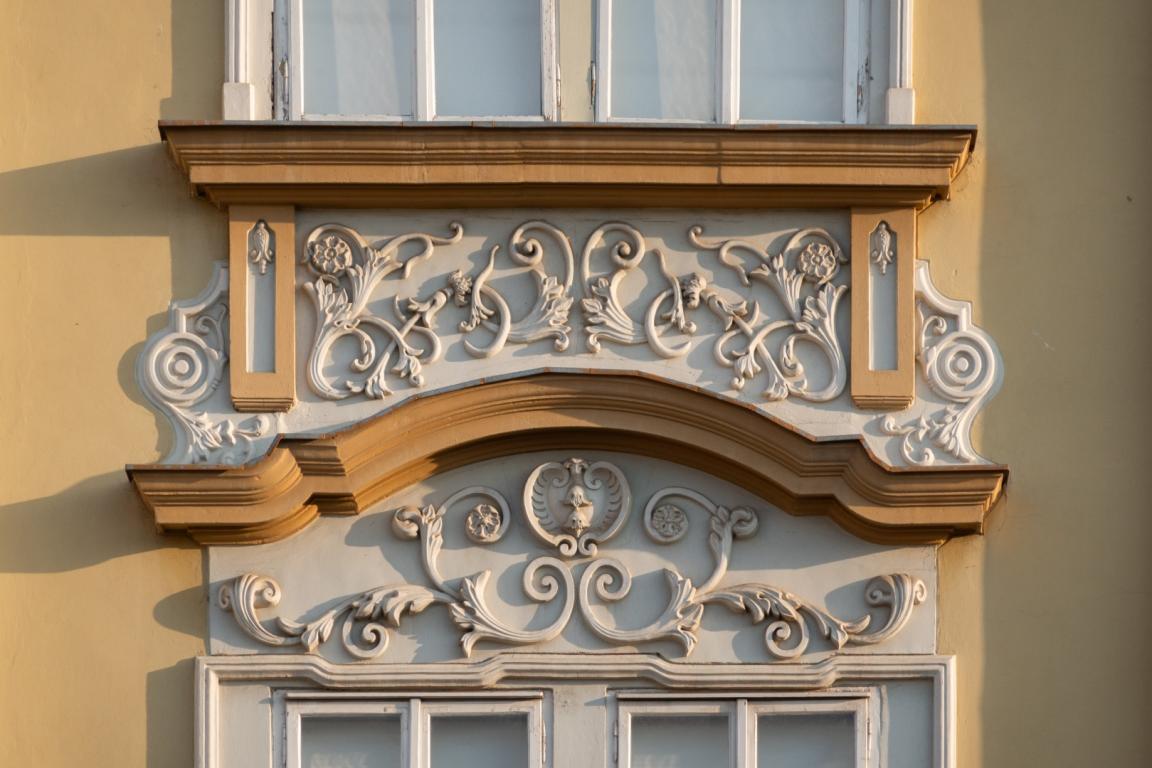
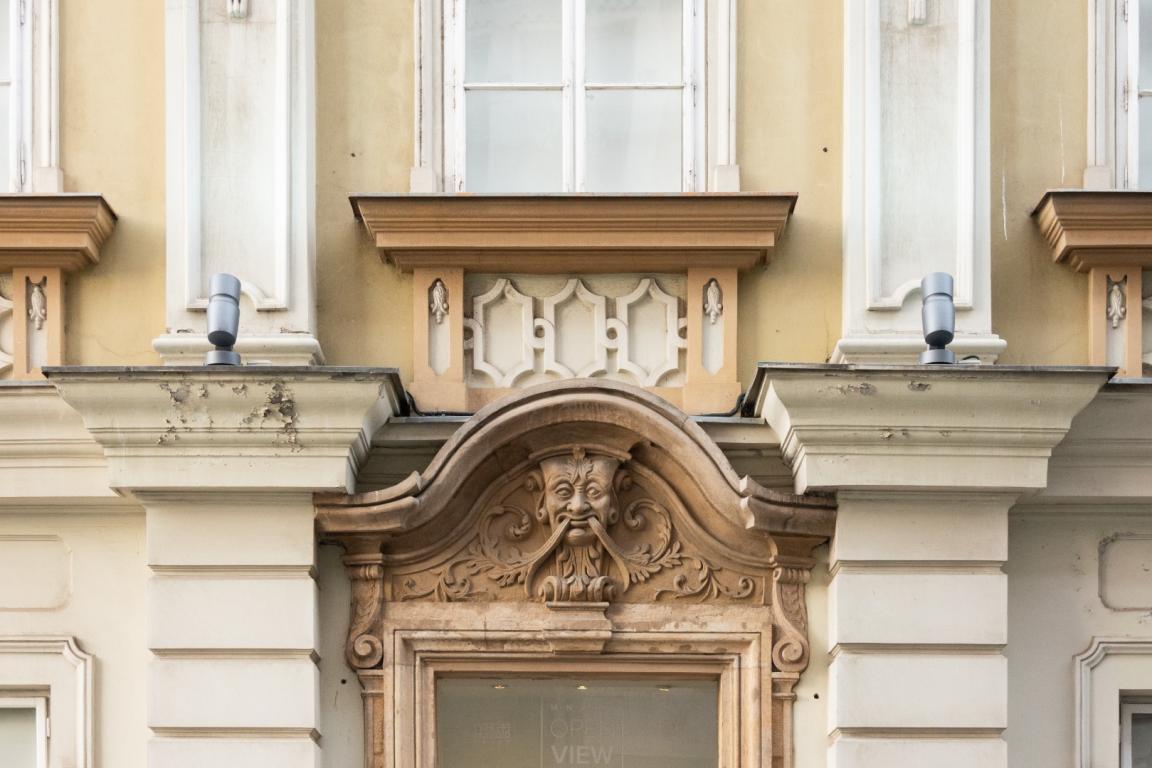
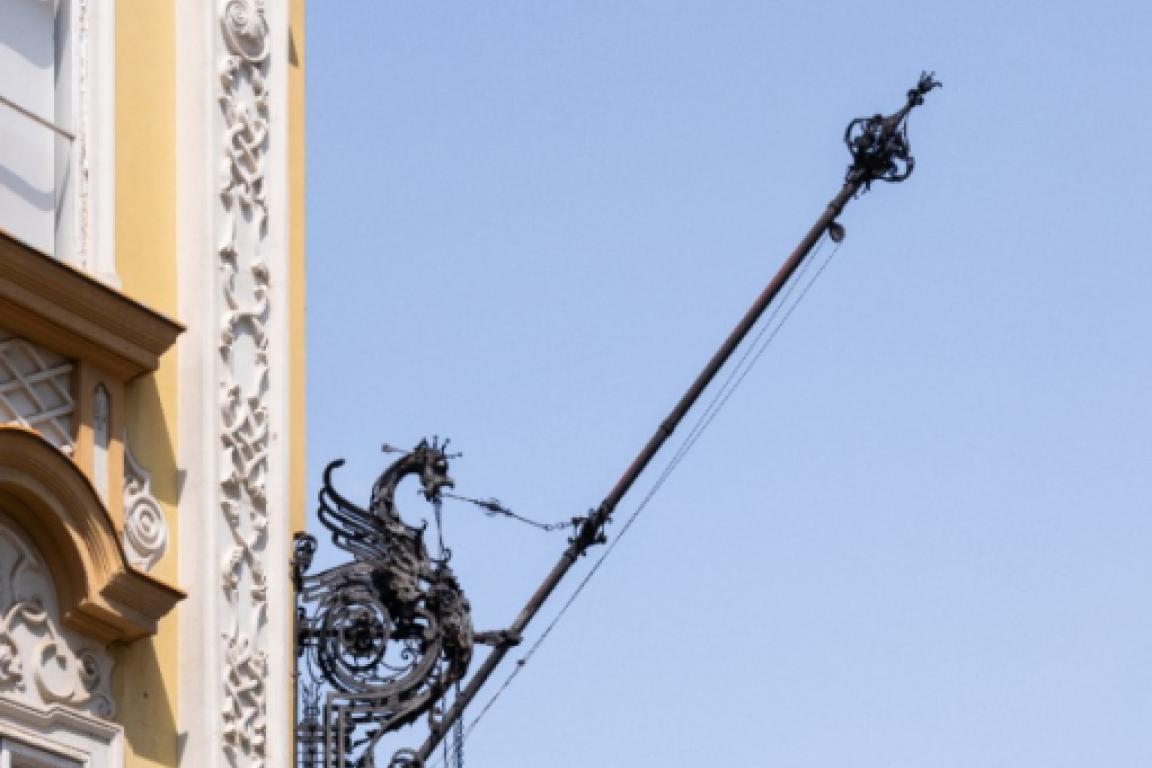
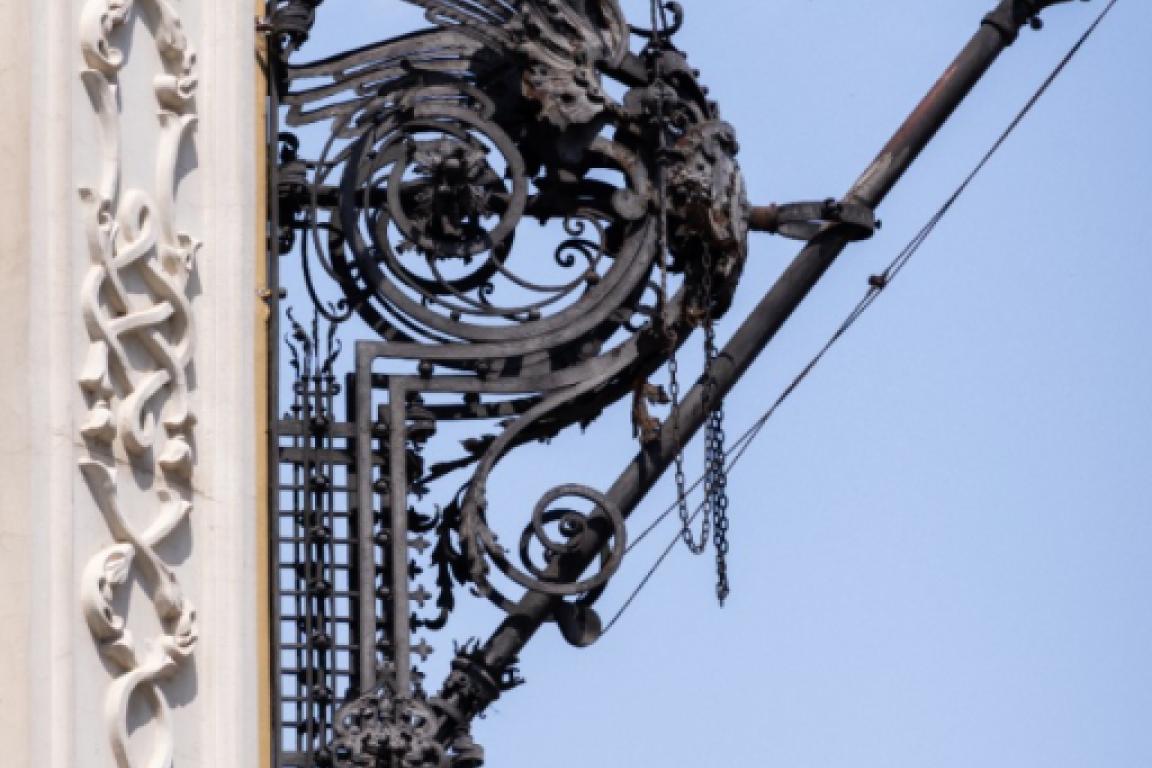
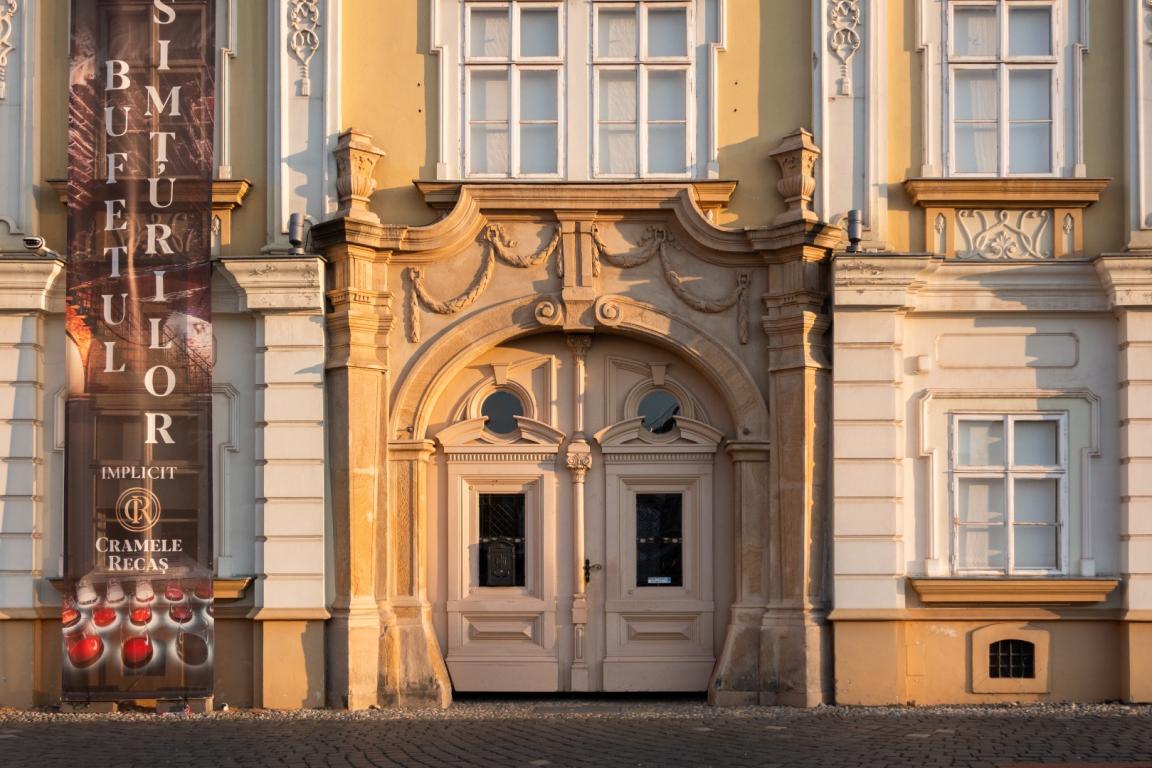
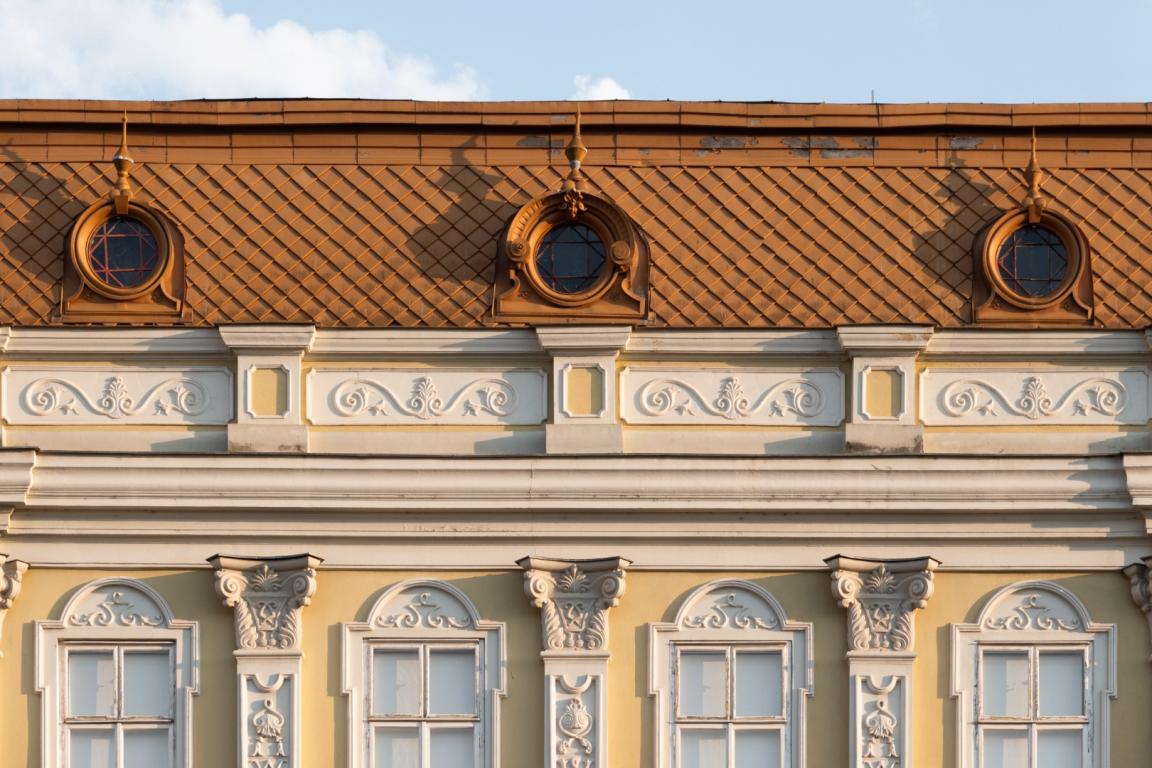
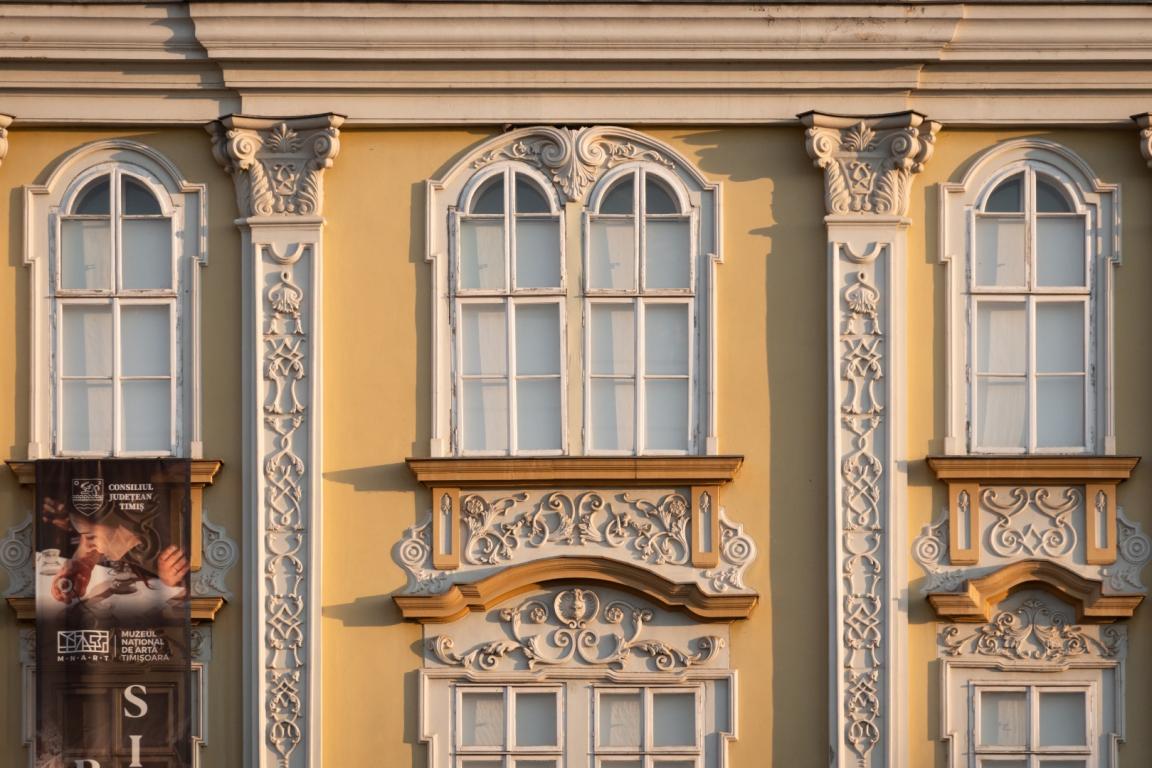
The Baroque aesthetic of the building remained until 1885, when a large-scale restoration project was launched under the direction of local architect Jakab Klein, who replaced the Baroque ornamentation with Neo-Renaissance details. The roof was converted into a mansard, and galleries were added in the large courtyard. The stone surrounds of the entrances from Union Square and Mercy Street were preserved intact.
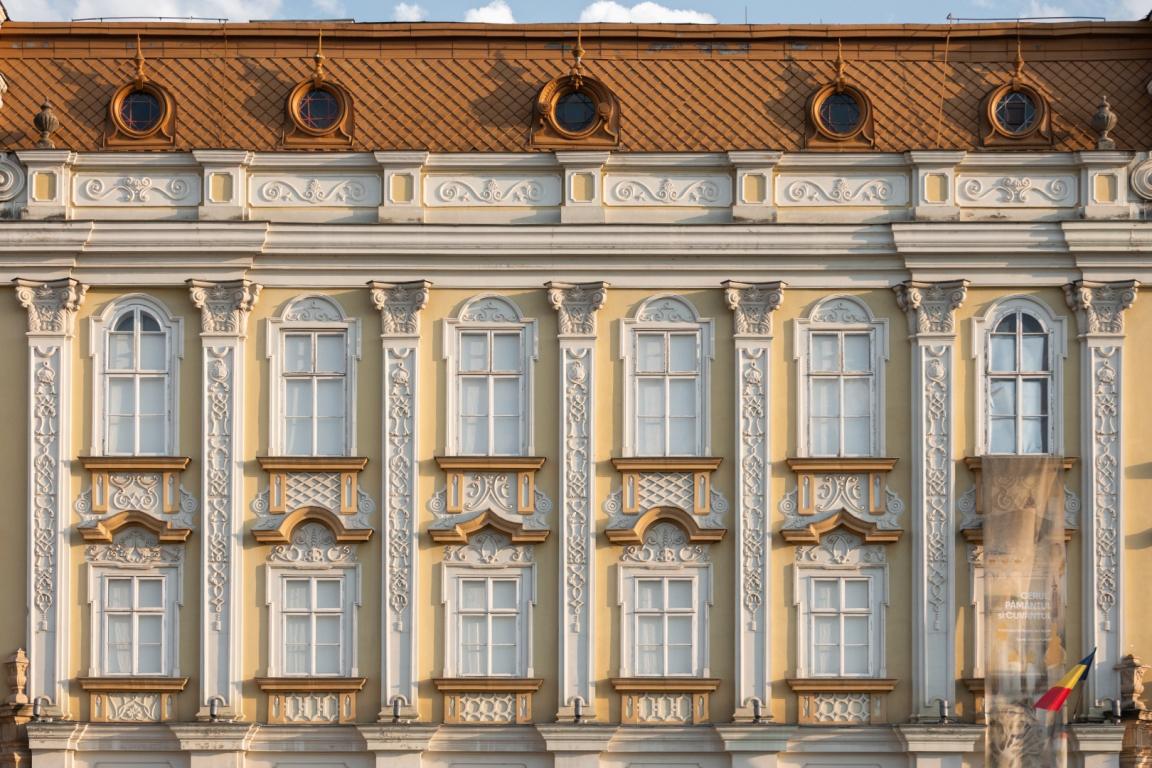
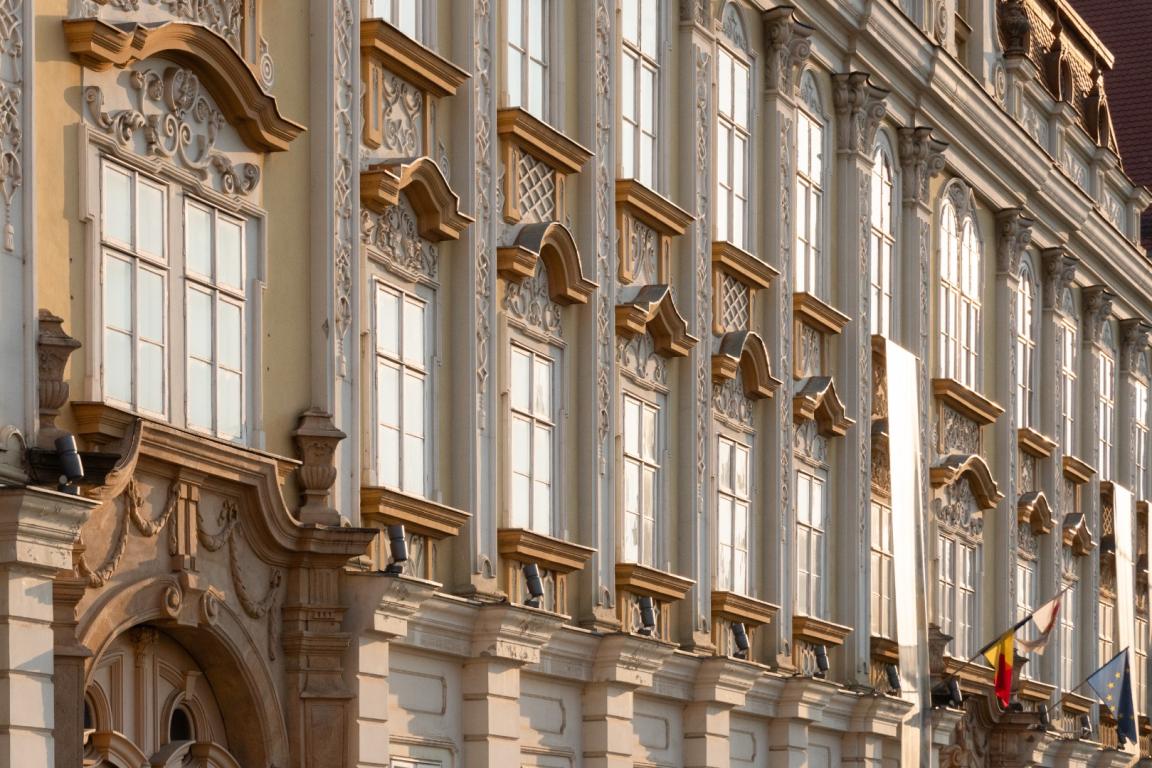
From 1939 to 1955, the building housed the Police Prefecture. From 1965 until the 1980s, it housed the Agronomic Institute. Between 1982 and 2006, the palace underwent new interventions, regaining its Baroque appearance, considered similar to that which had existed prior to Jakab Klein’s restoration. The architect coordinating these works was Șerban Sturdza, who also rehabilitated Union Square and most of the surrounding buildings. Authentic Baroque elements remain visible in the three entrance gates, the ornamental shells set into the windows and circular alcoves, the masonry at all levels, and the vaults with penetrations and barrel vaults in the basement and ground floor.