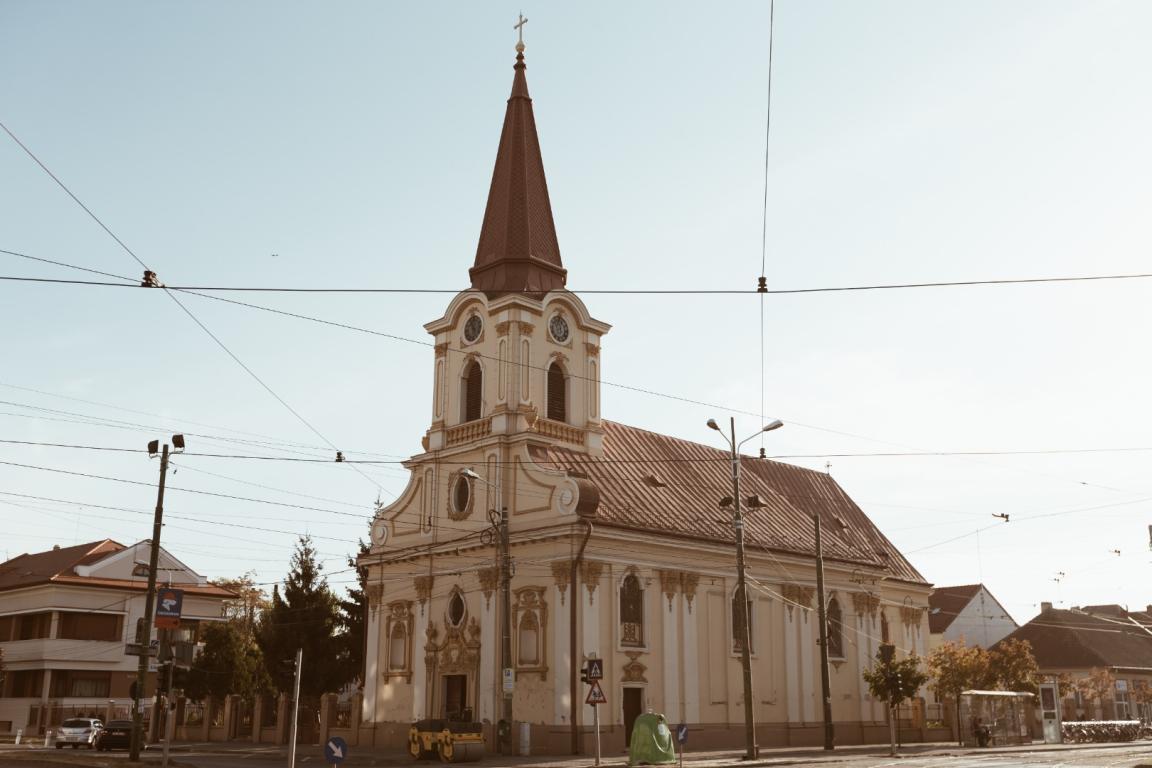
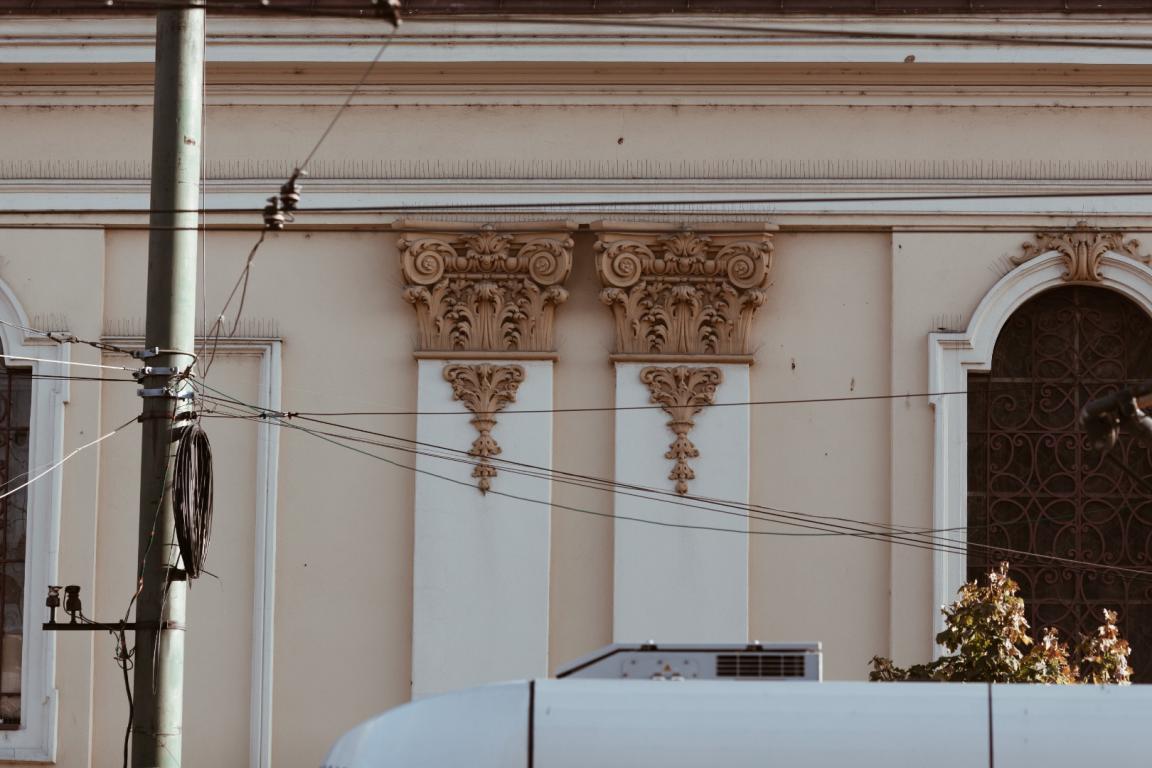
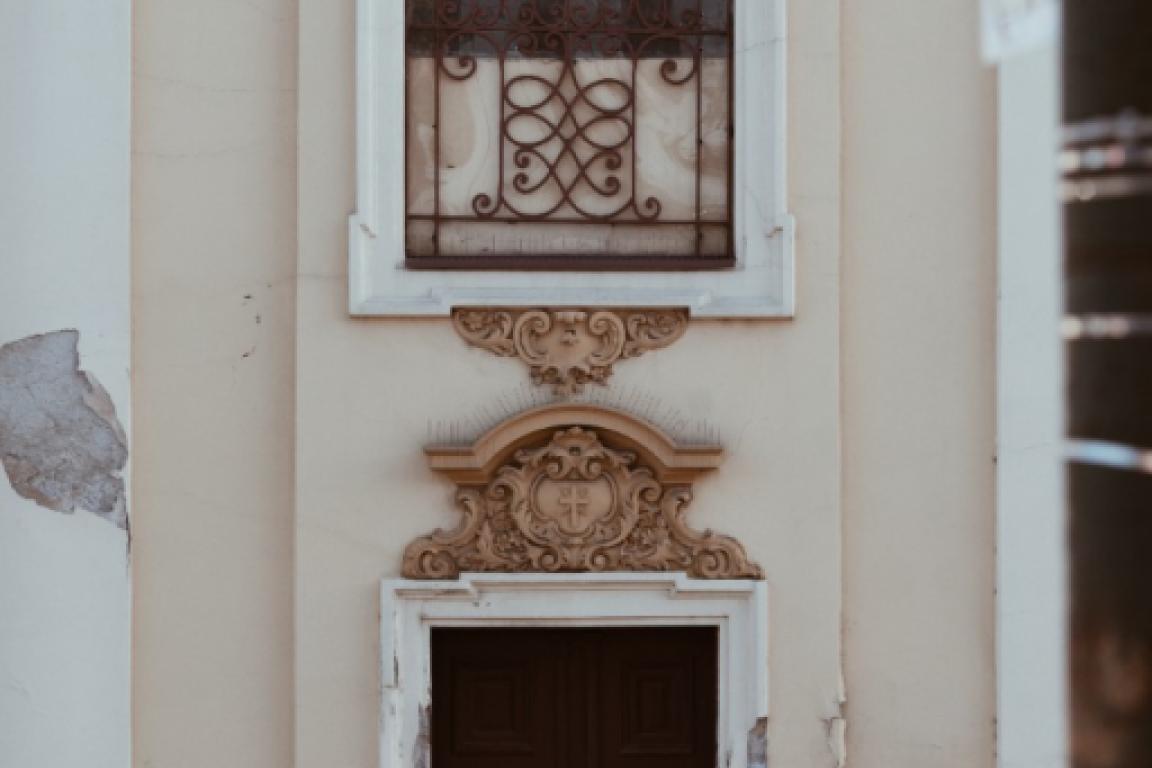
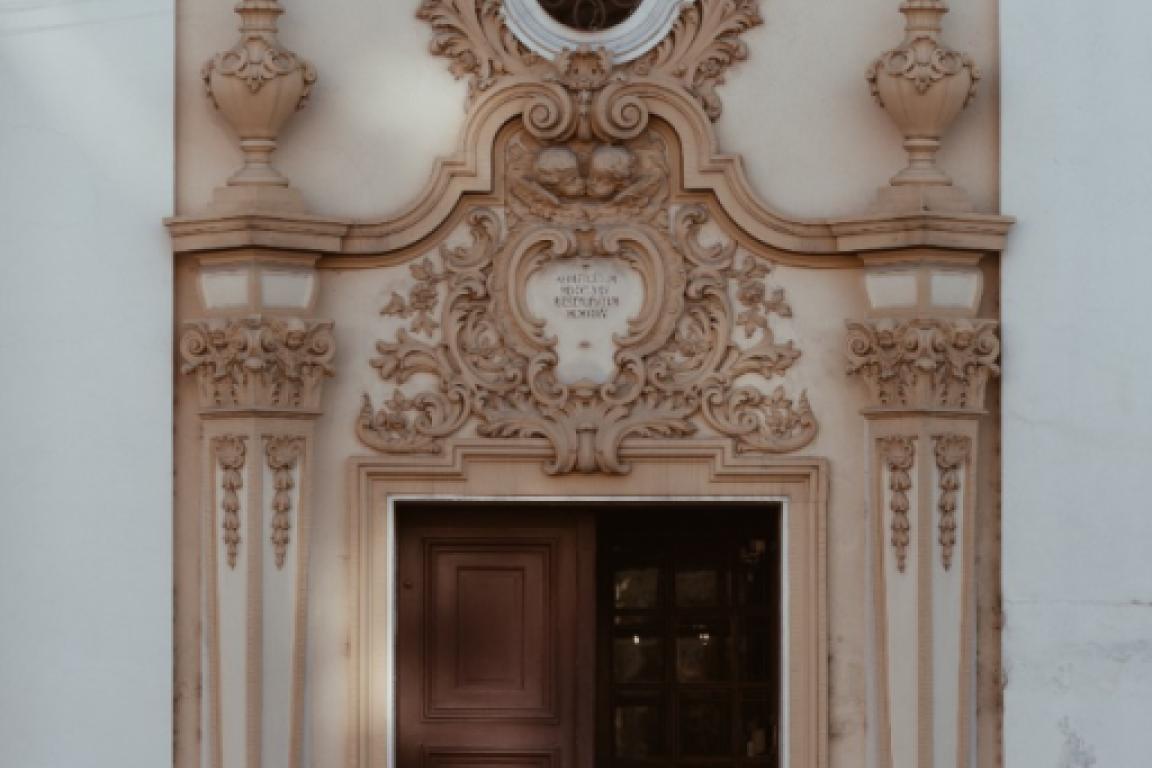
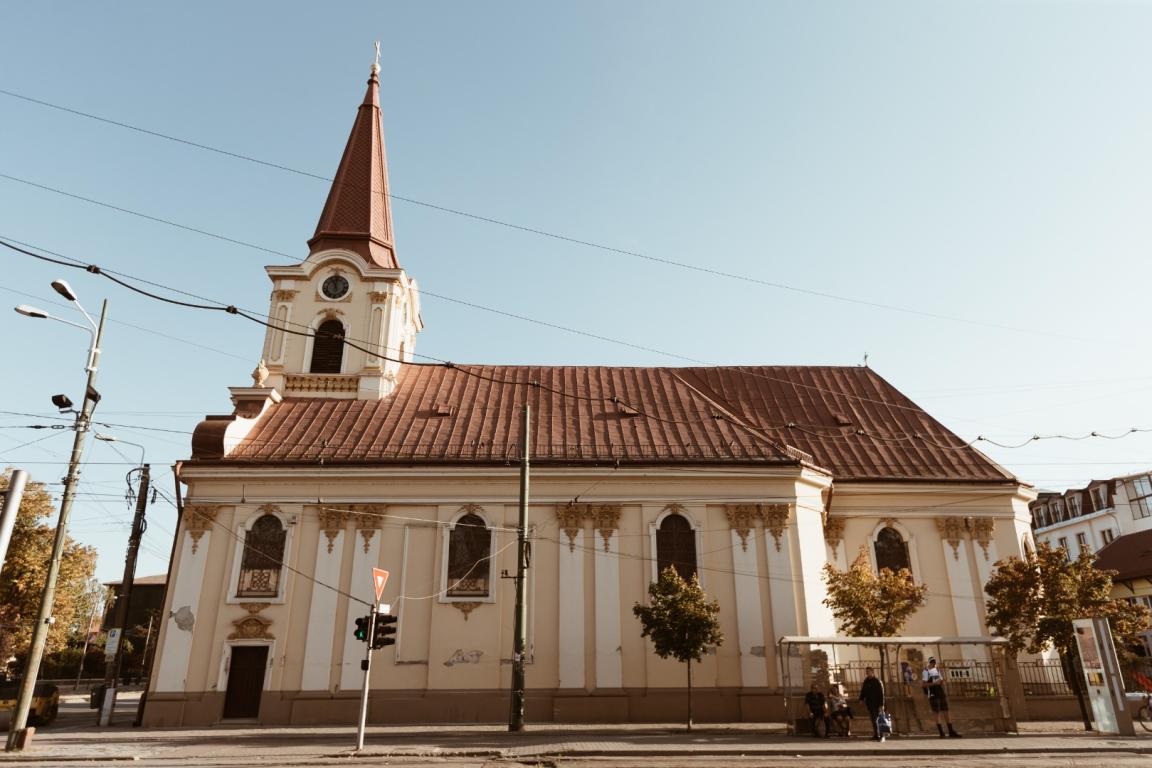
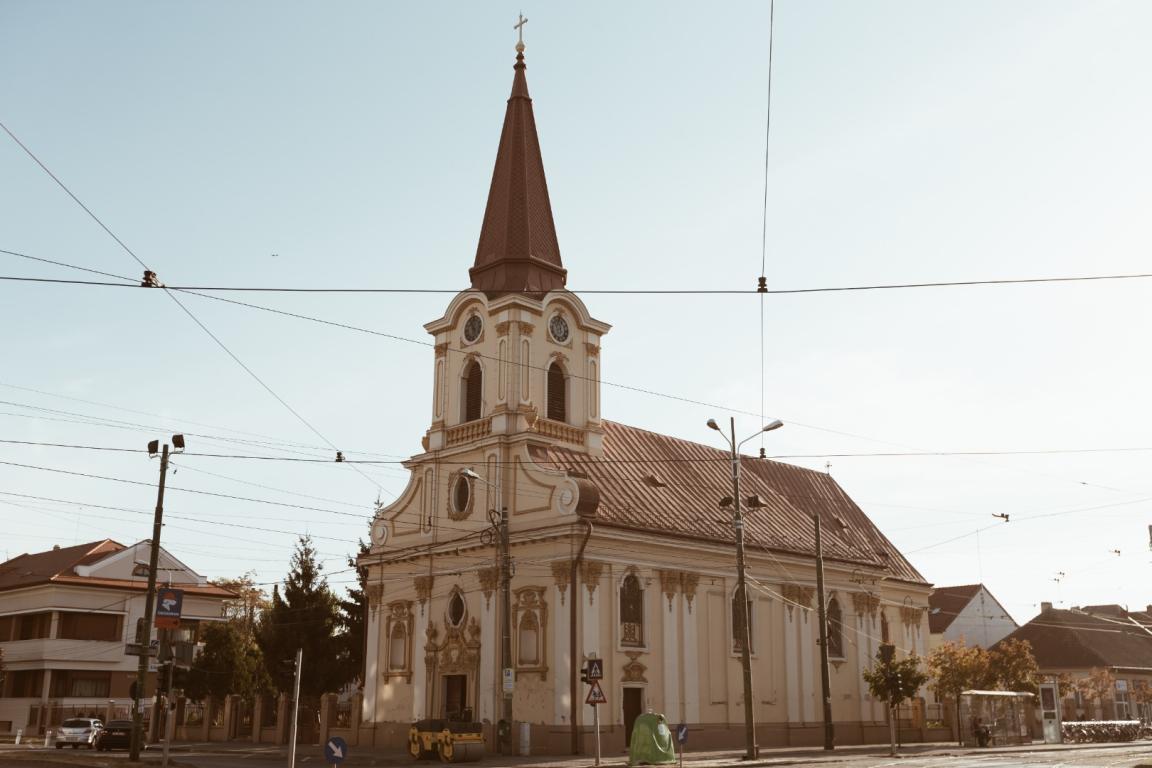
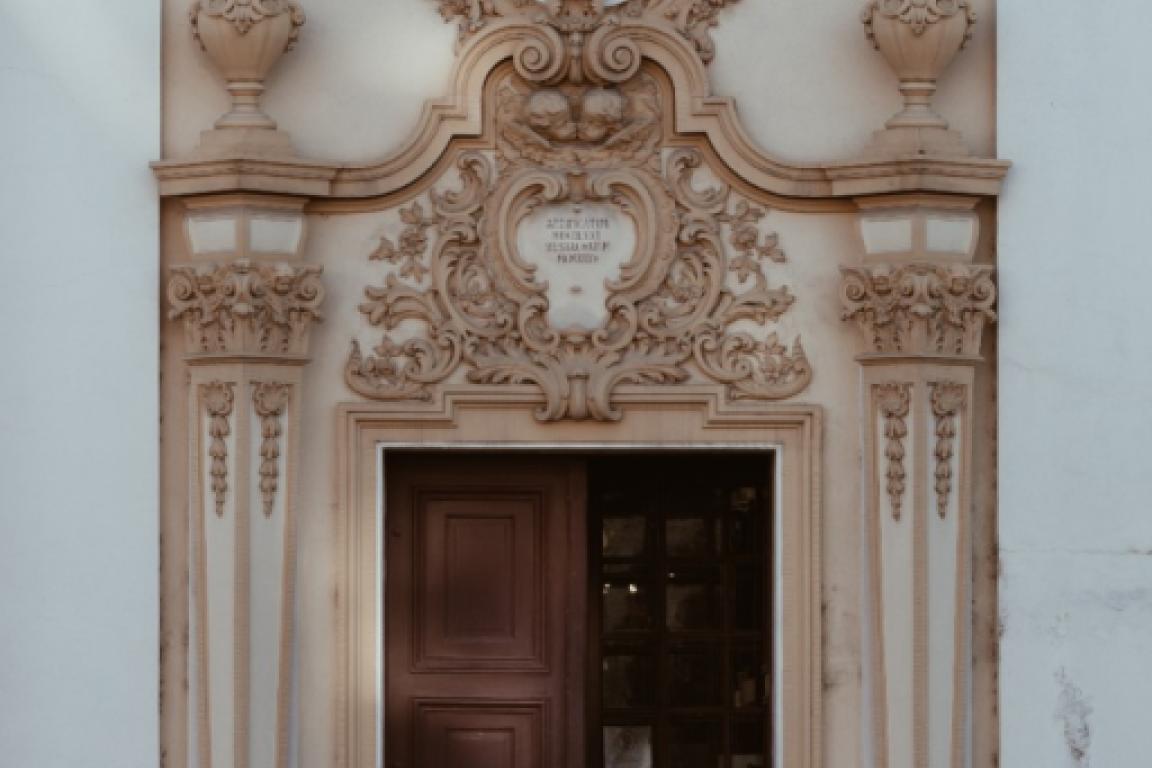
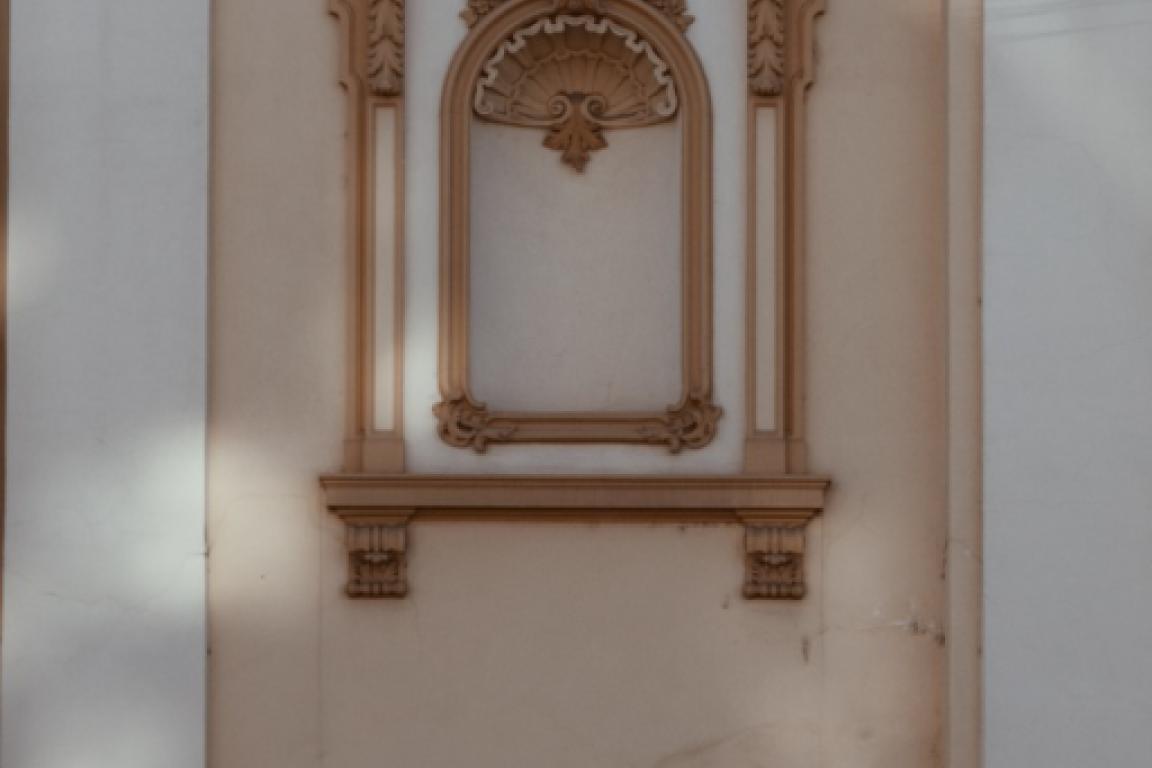
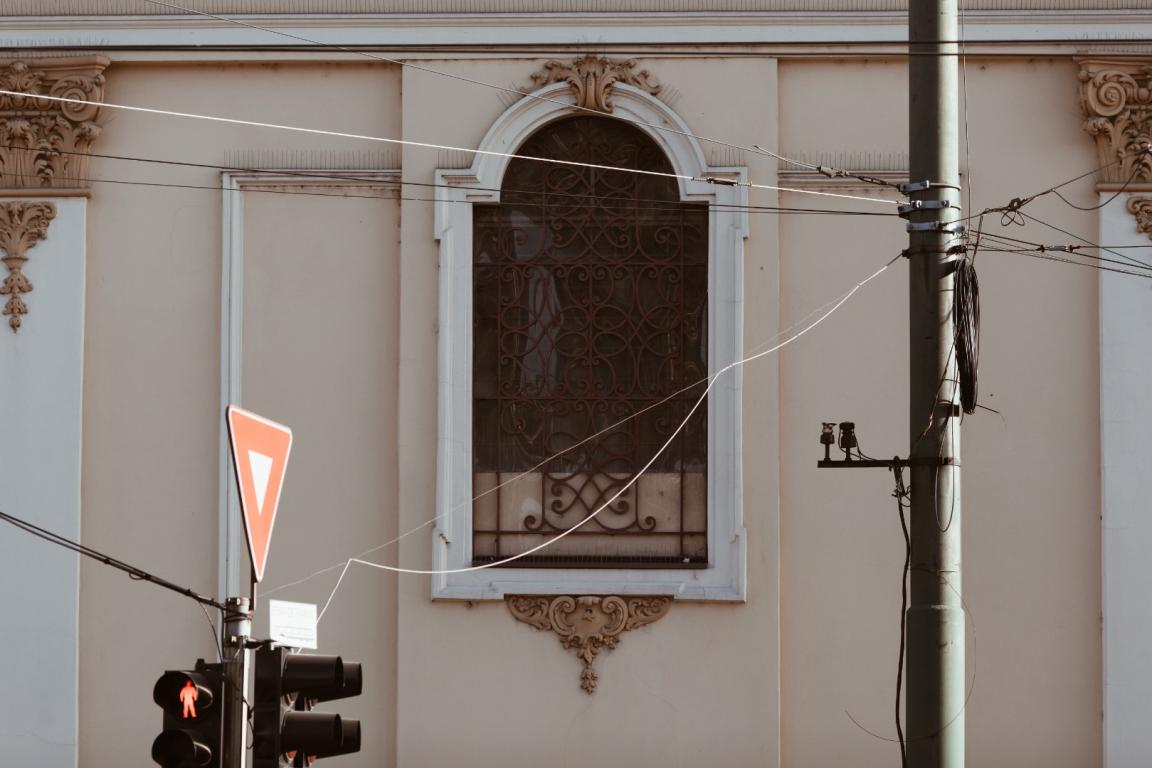
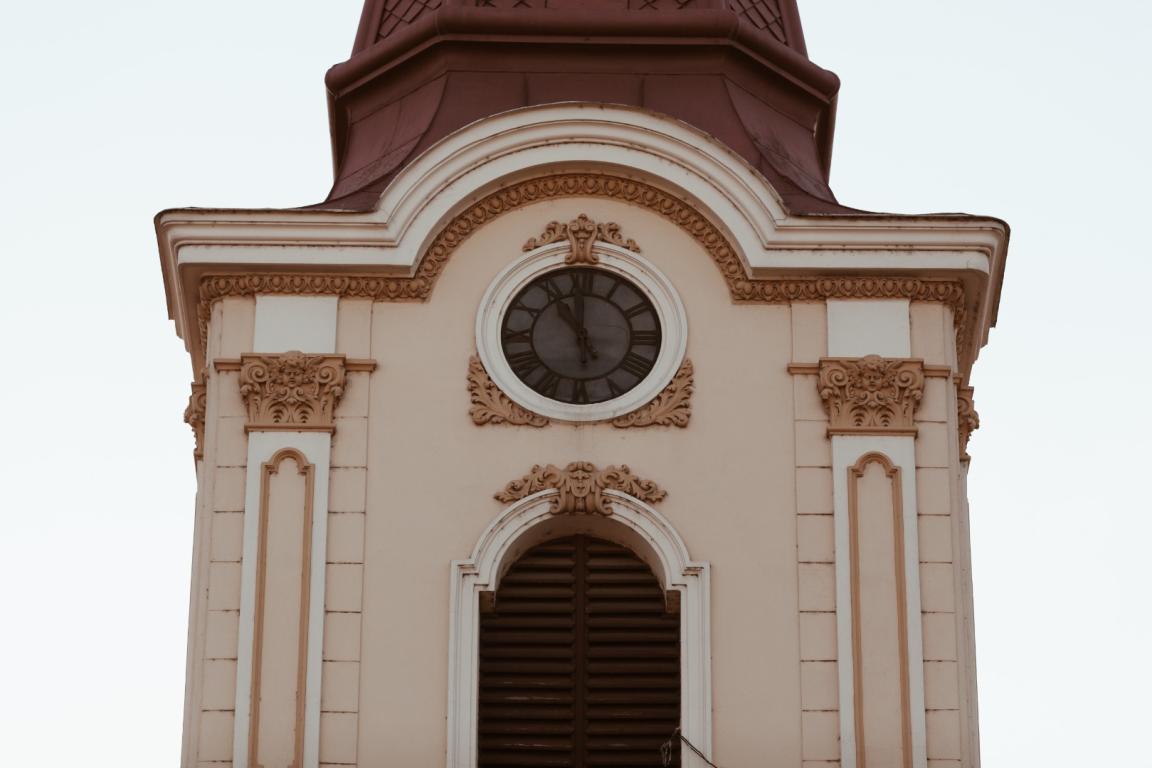
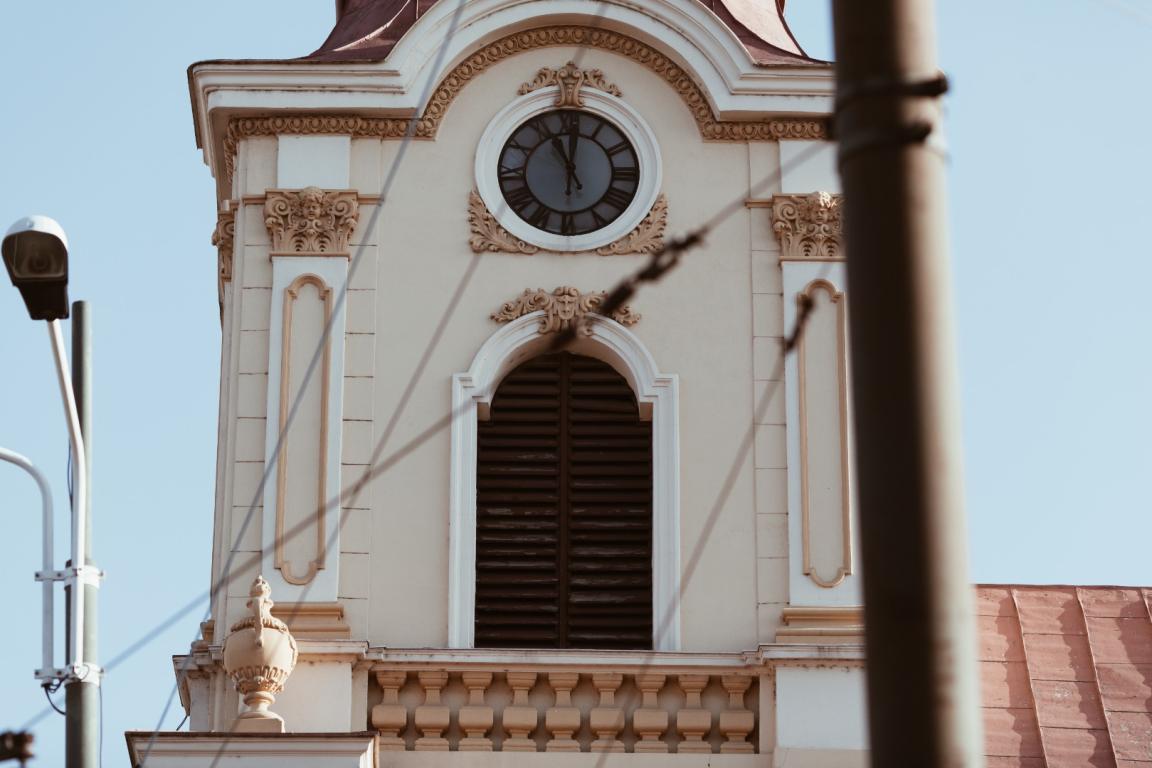
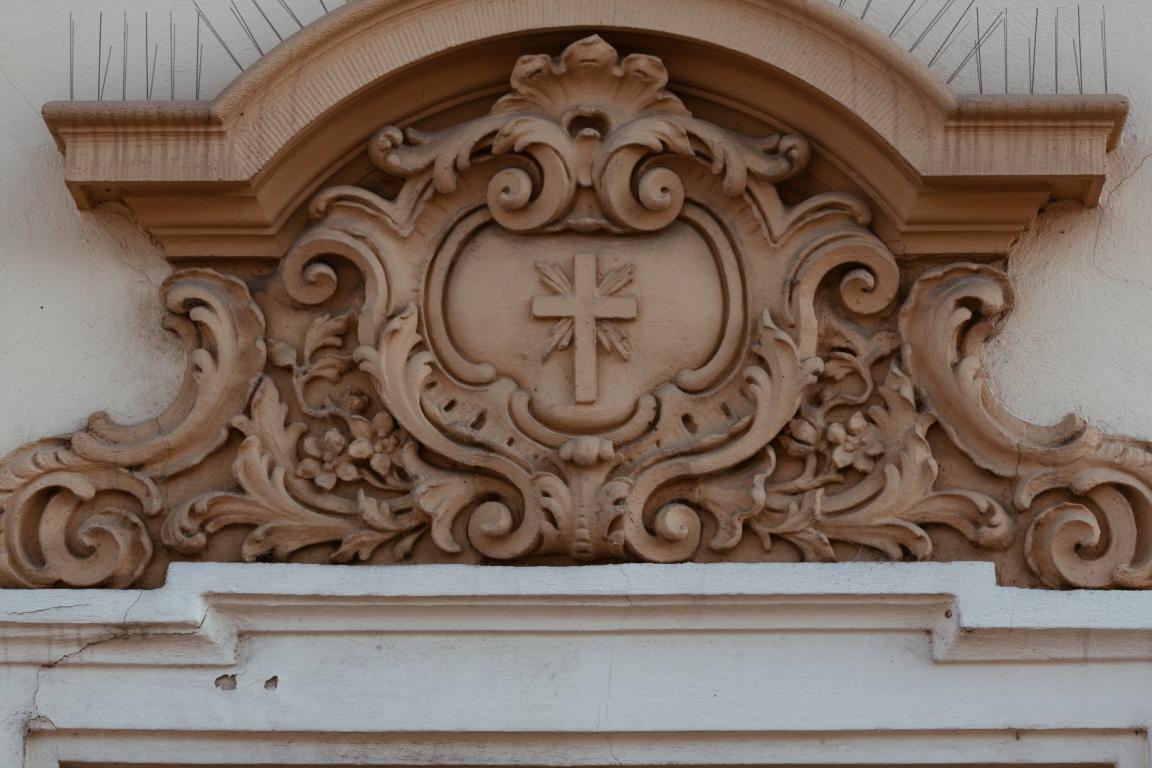
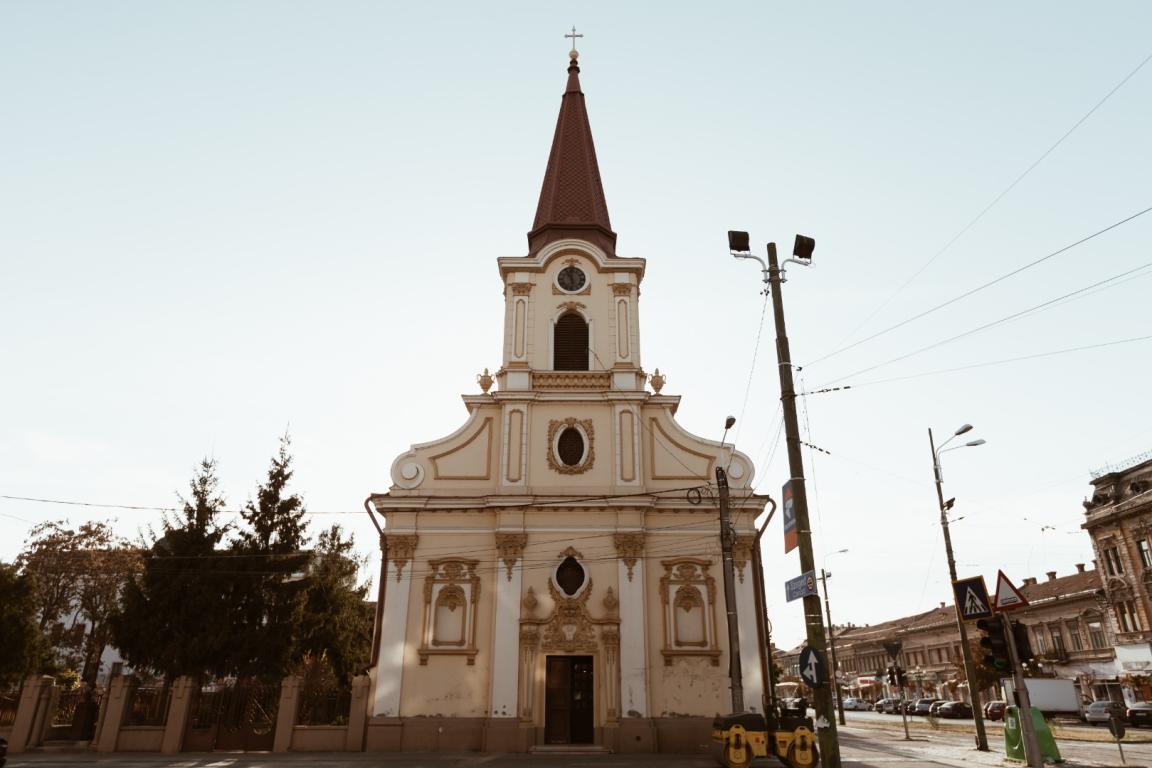
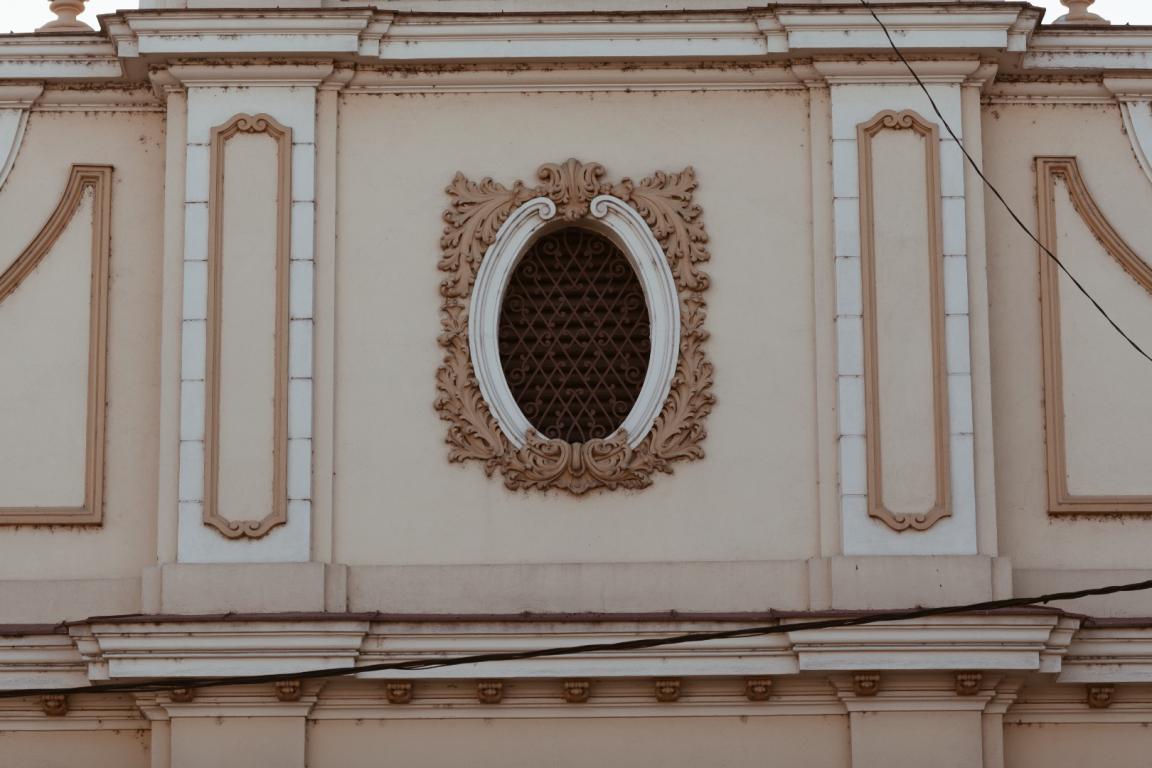
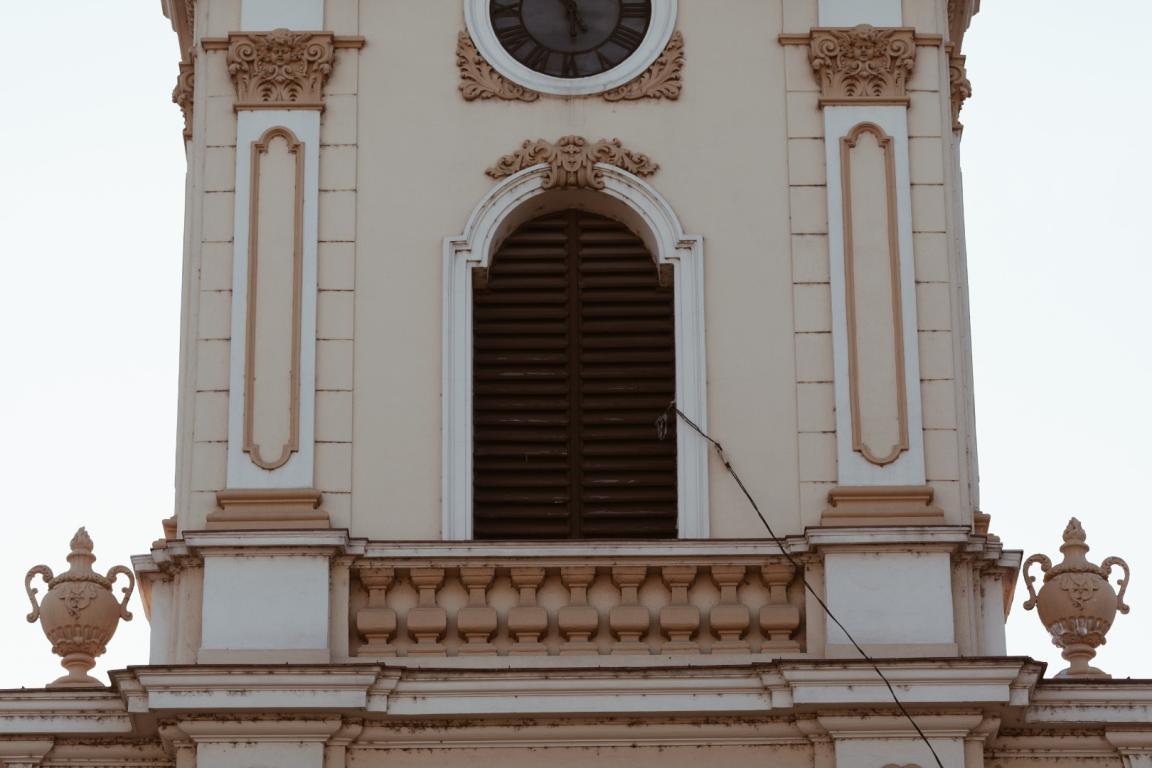
The construction of the church began one year after the neighborhood, largely inhabited by Germans, was named “Iosefin” (Josephstadt) in honor of Emperor Joseph II. The building features elements characteristic of mature Baroque, complemented by some Rococo details. The church dominated the area as long as Iosefin retained its rural character: houses had short façades with pediments facing the street and long façades extending into the yards, similar to the villages of the Banat plains.
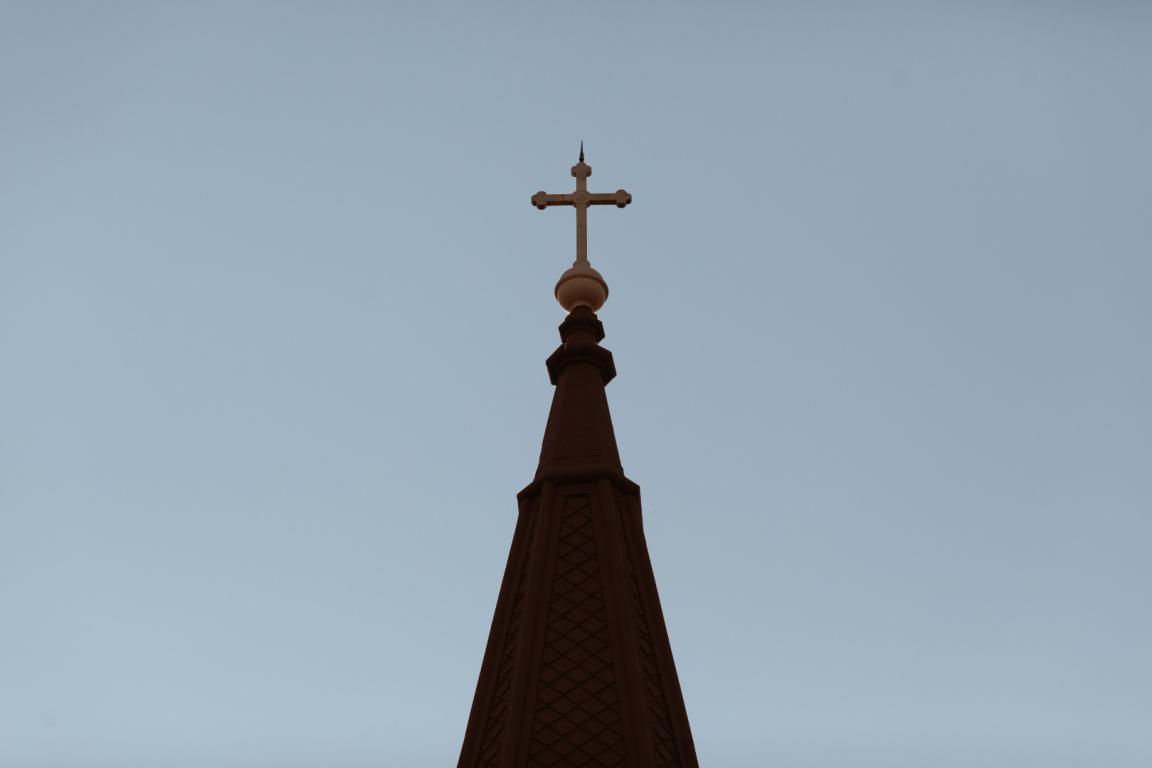
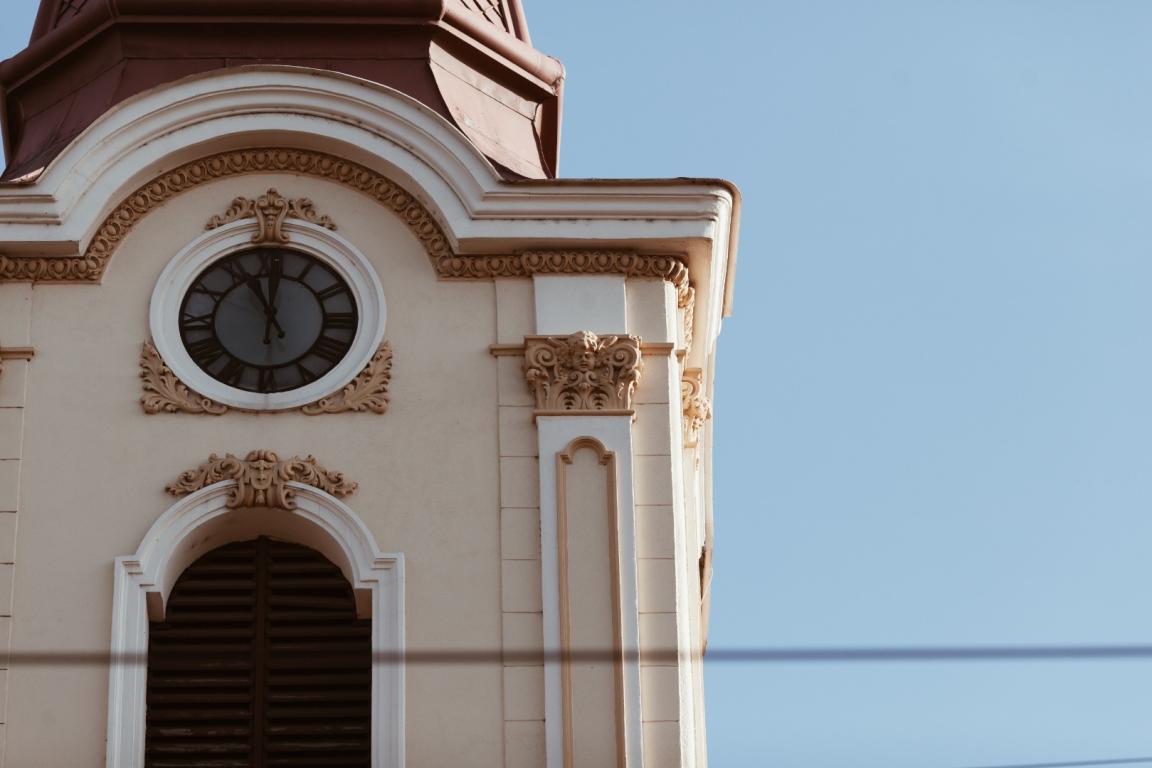
The Baroque tower of the church, severely damaged by the fortress garrison’s artillery on May 12, 1849, when the neighborhood was occupied by the besieging army, was repaired in 1861 by architect Johann von Schuster. With the rapid development of the district, due to Timișoara’s connection to the Central European railway network, the tower appeared overshadowed by taller buildings. Consequently, in 1889, the conical spire was added to the tower, still visible today, giving the church a surprisingly slender silhouette for the Baroque style. For a long time, the clock in the tower was the only public clock in Iosefin, at a time when ordinary people could not afford to own a personal timepiece.