
Administrative Building of the South Hungary Hat Factory Ltd
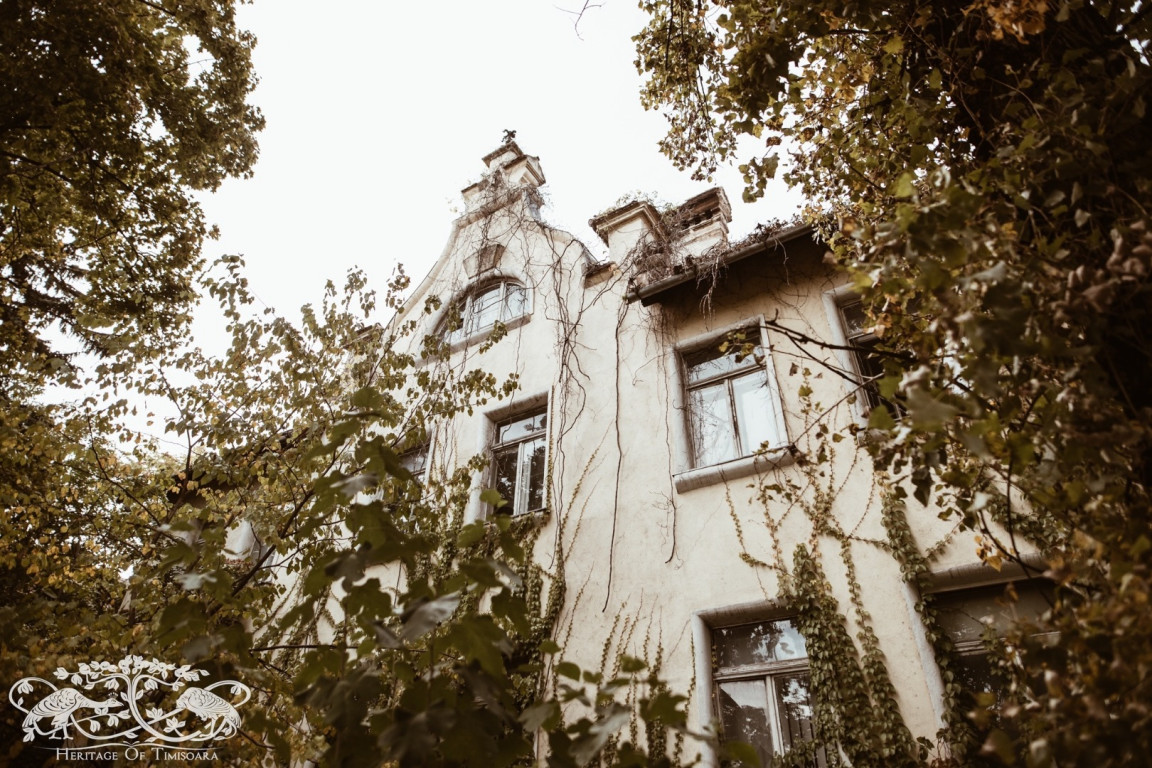
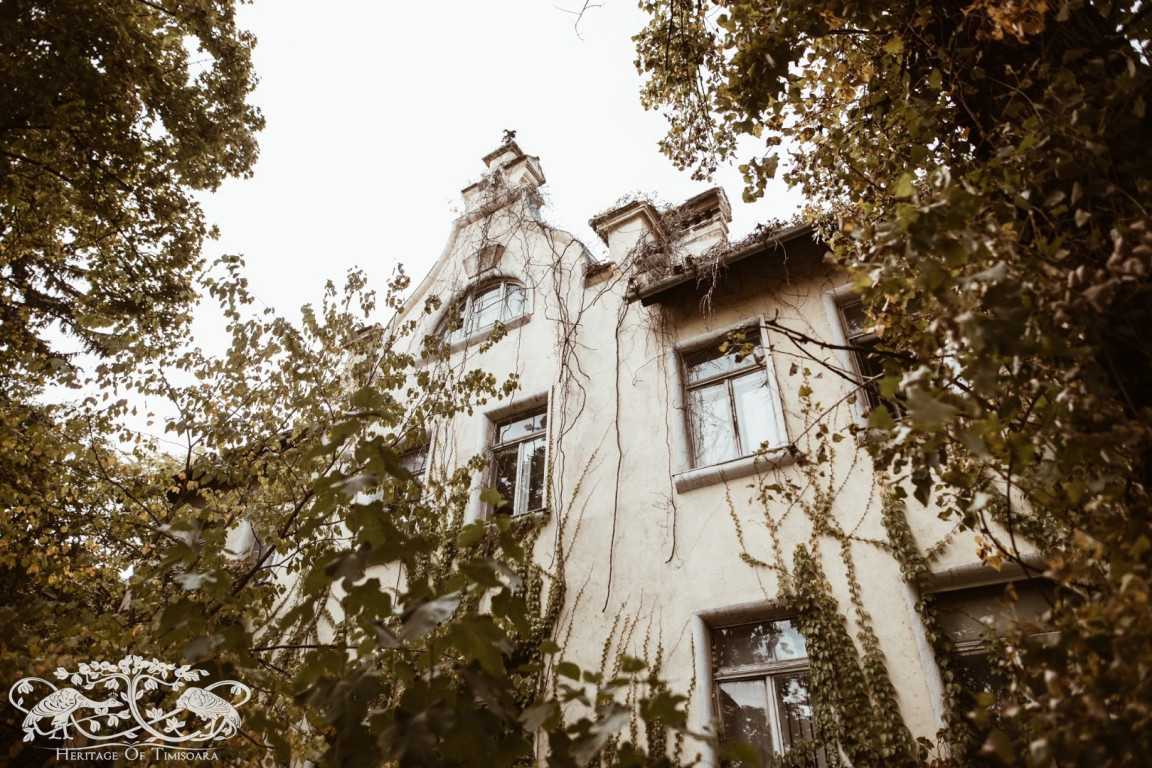
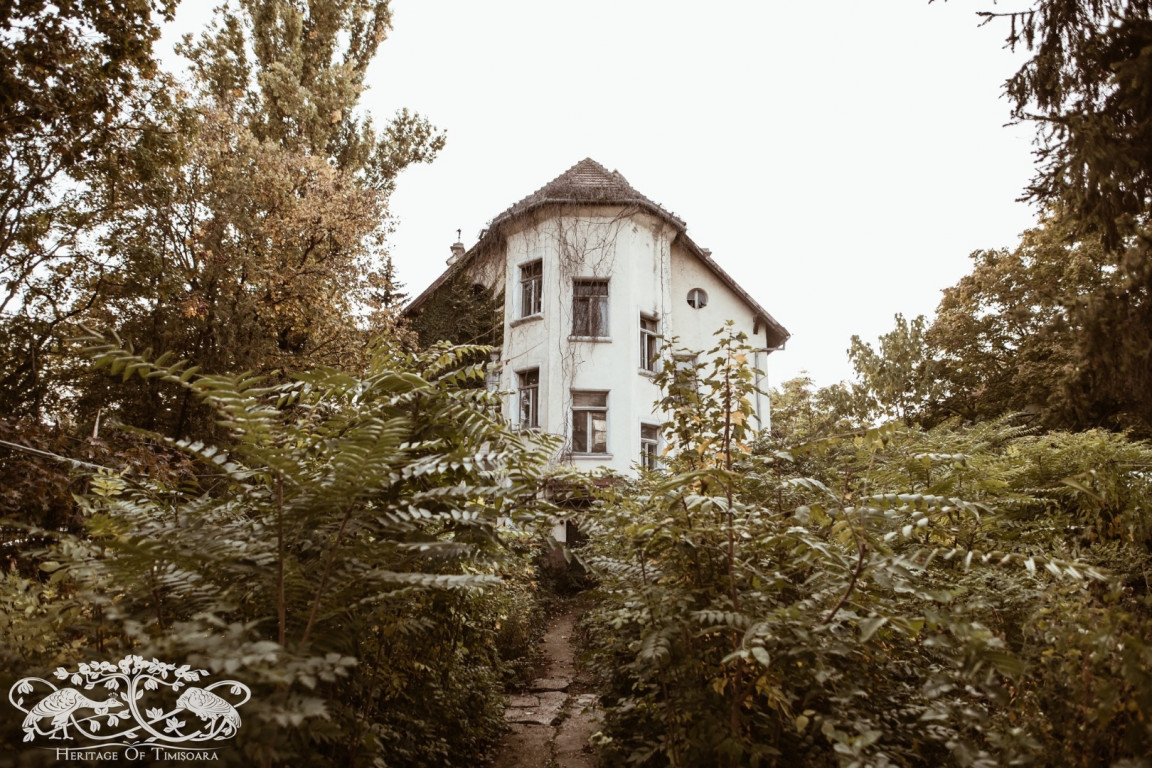
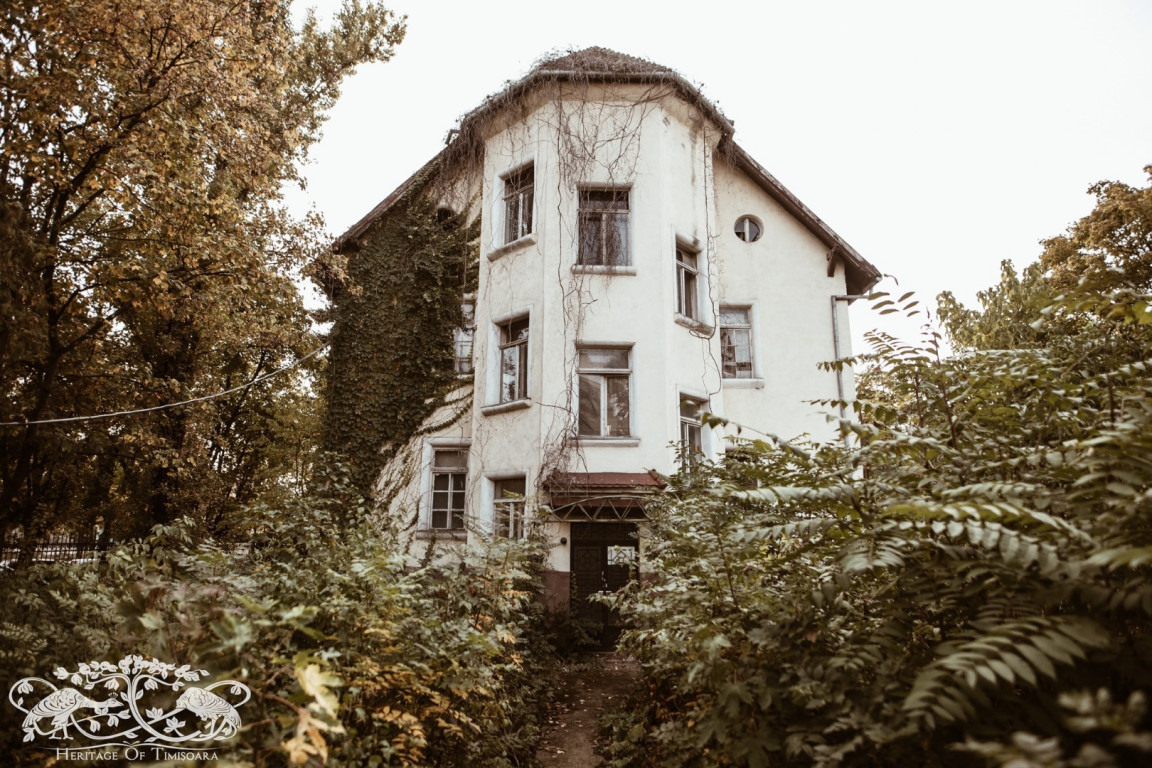

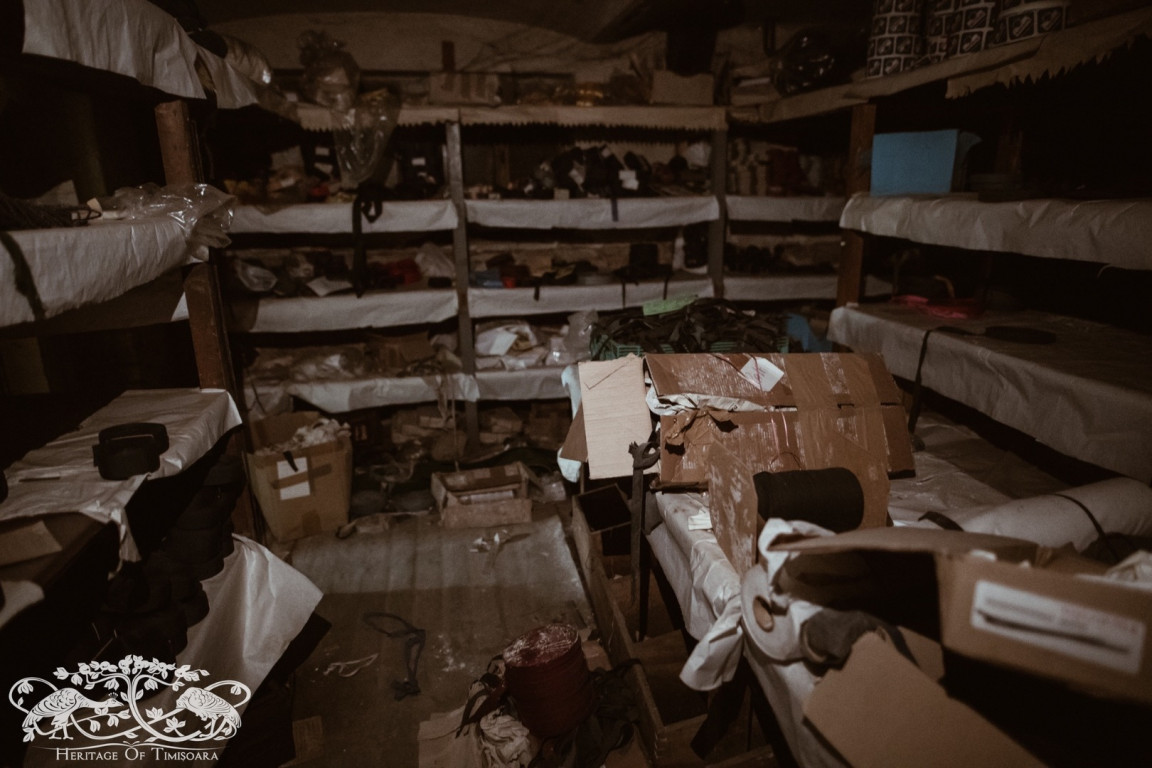
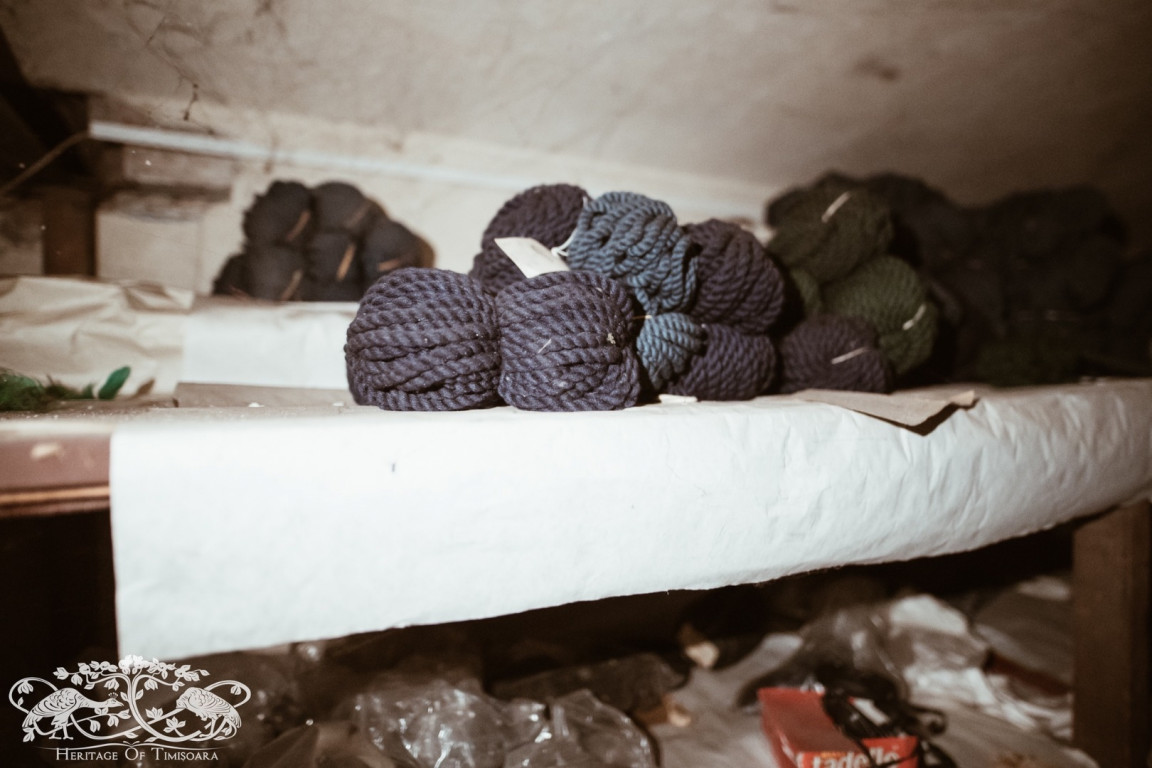
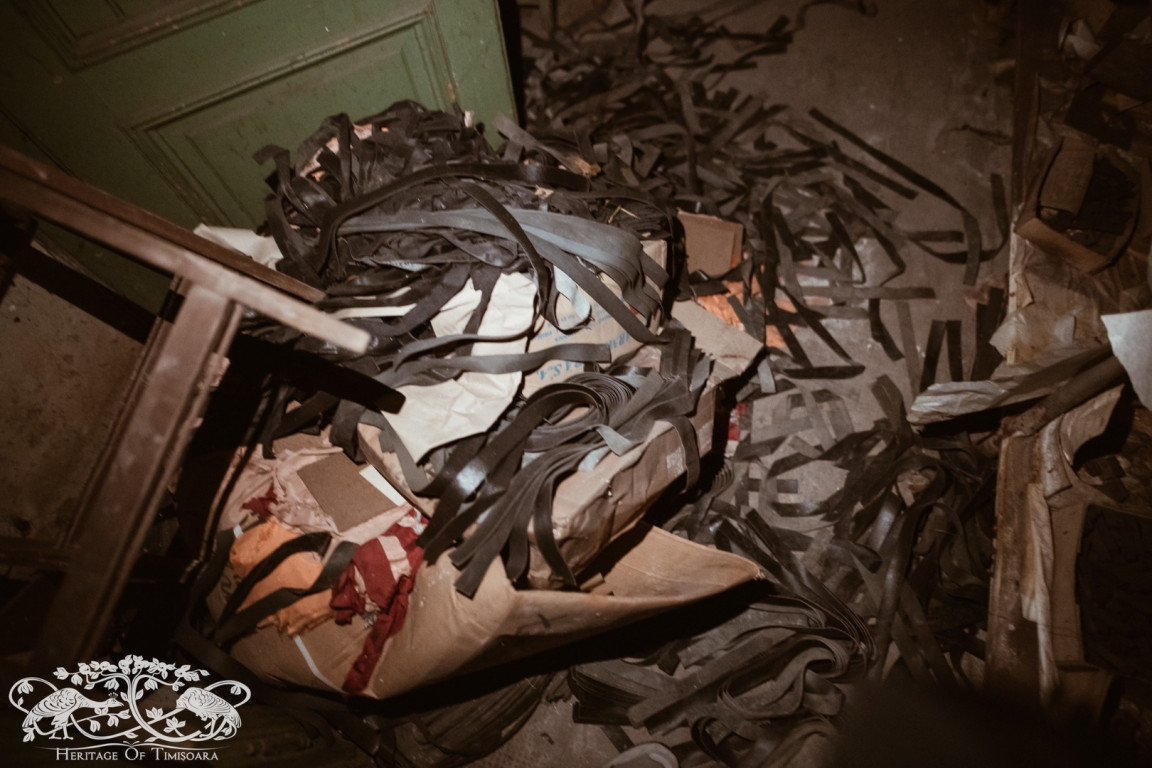
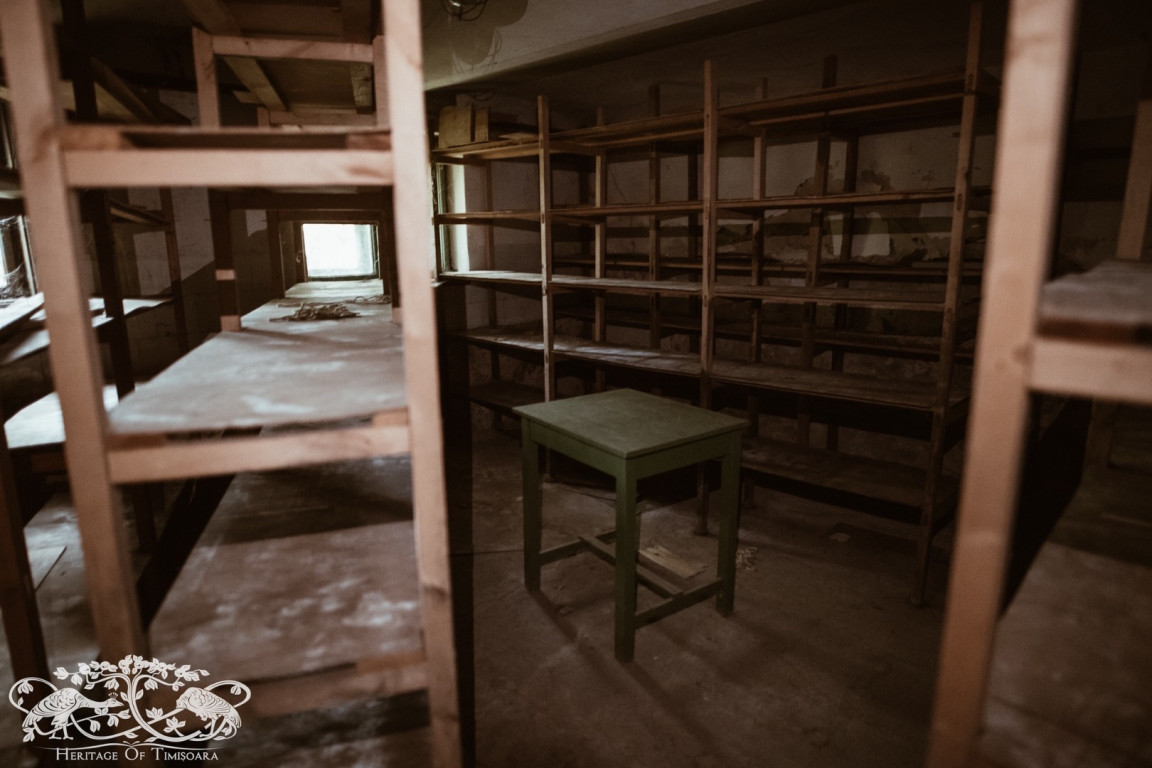
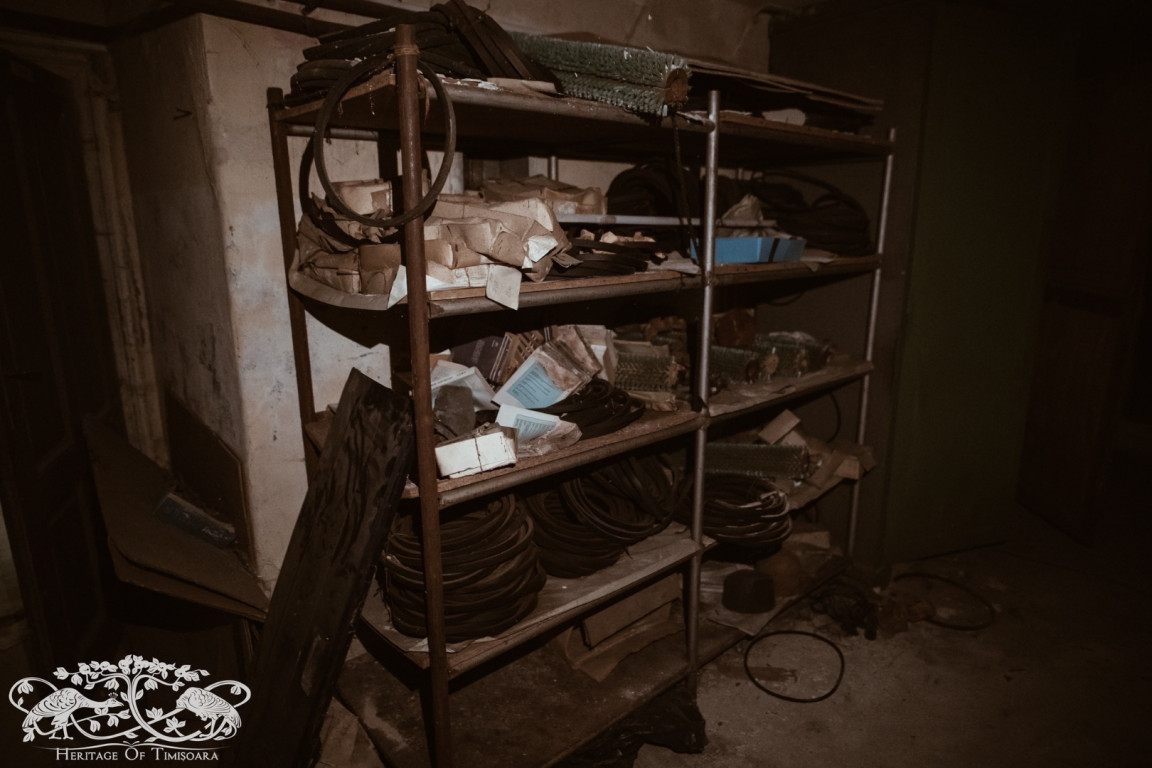
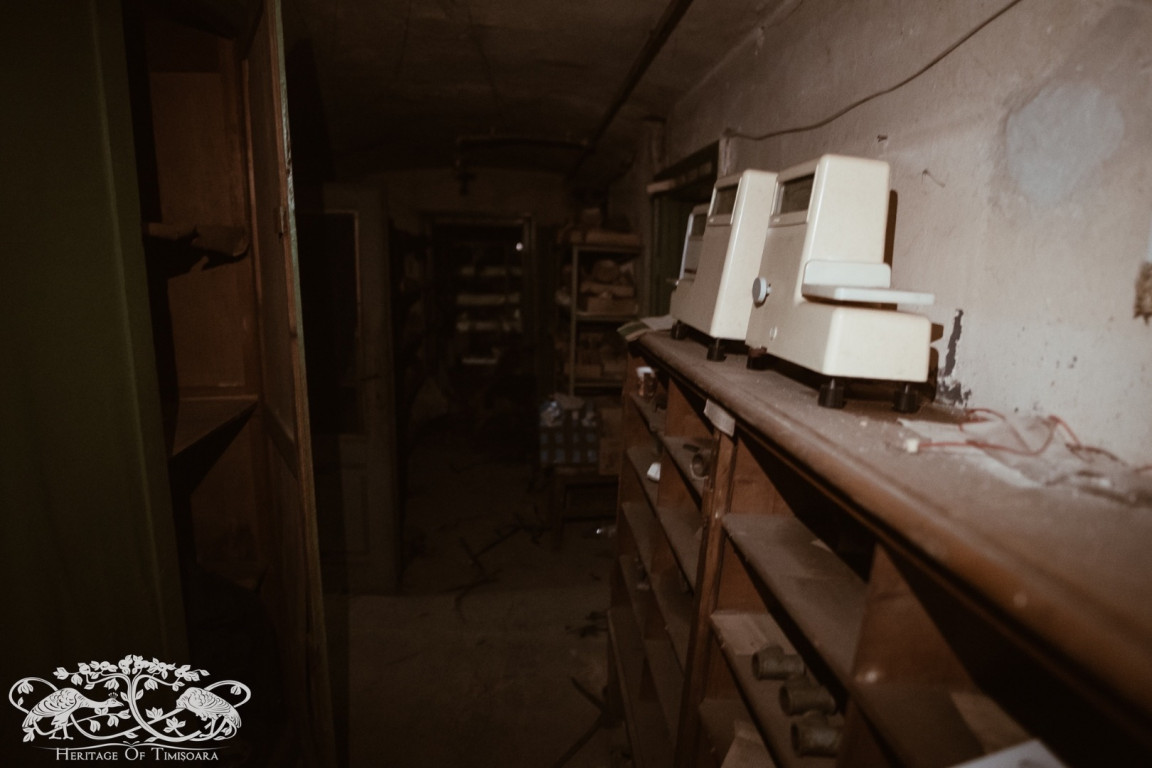
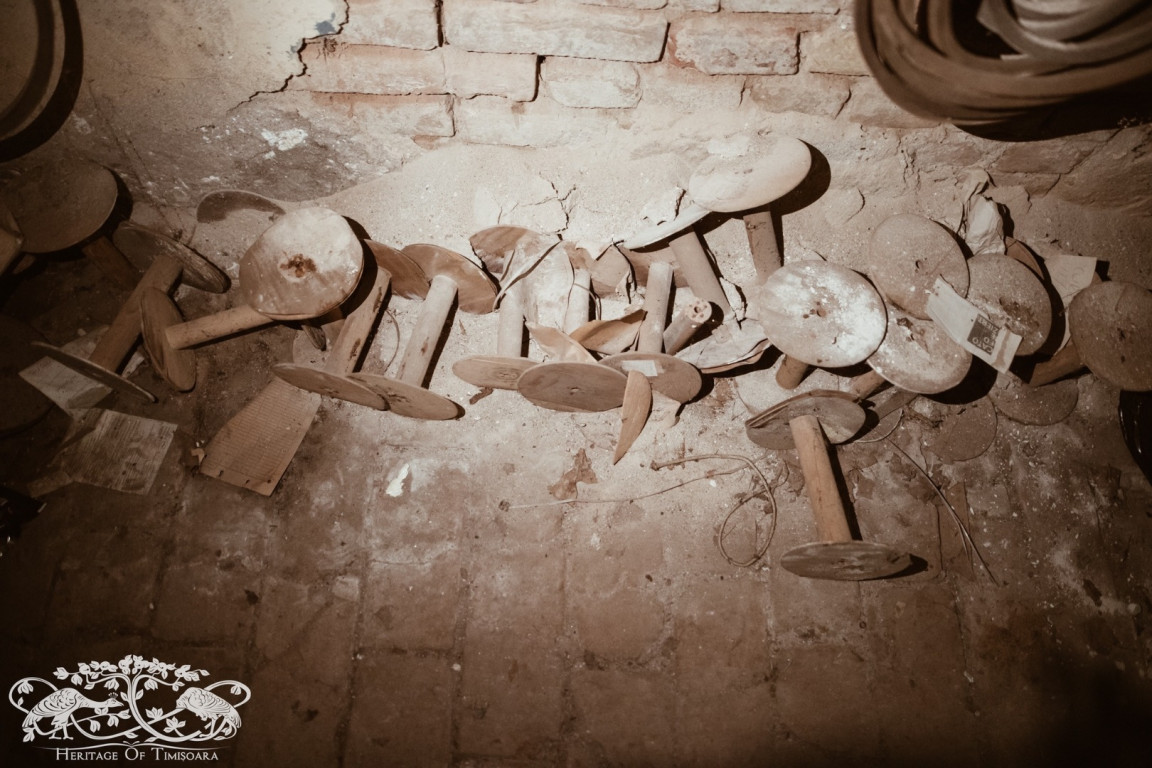
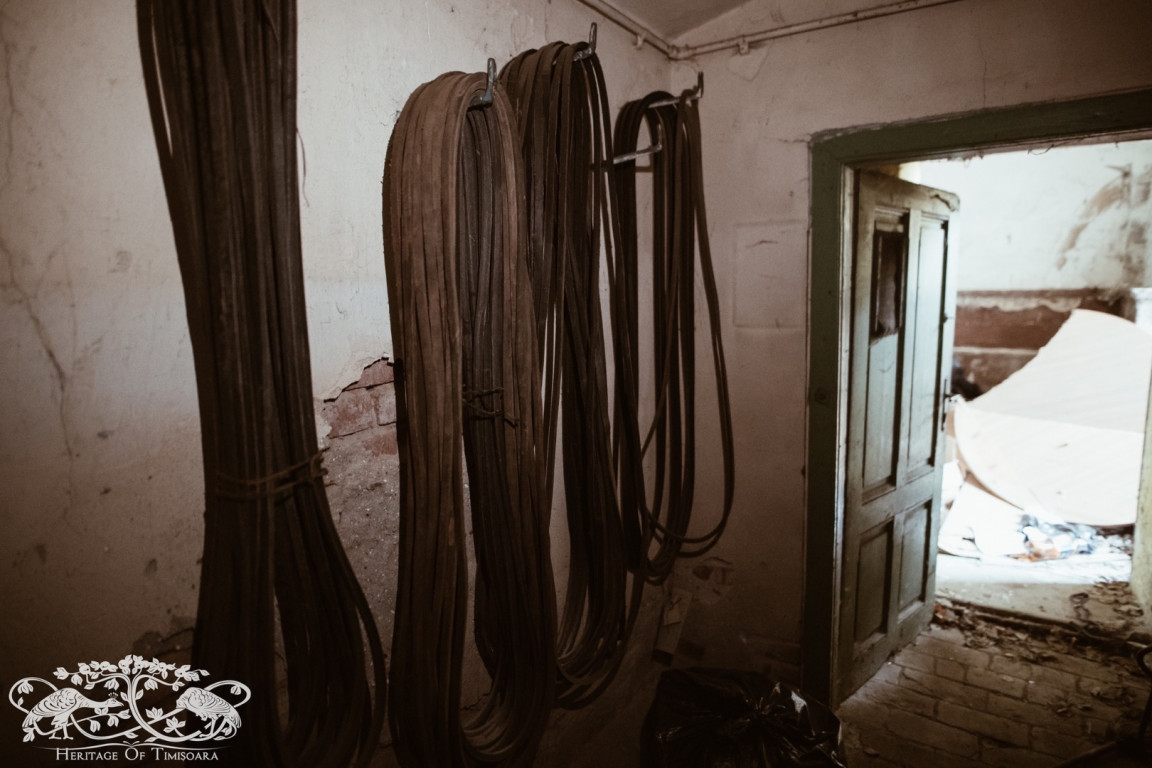
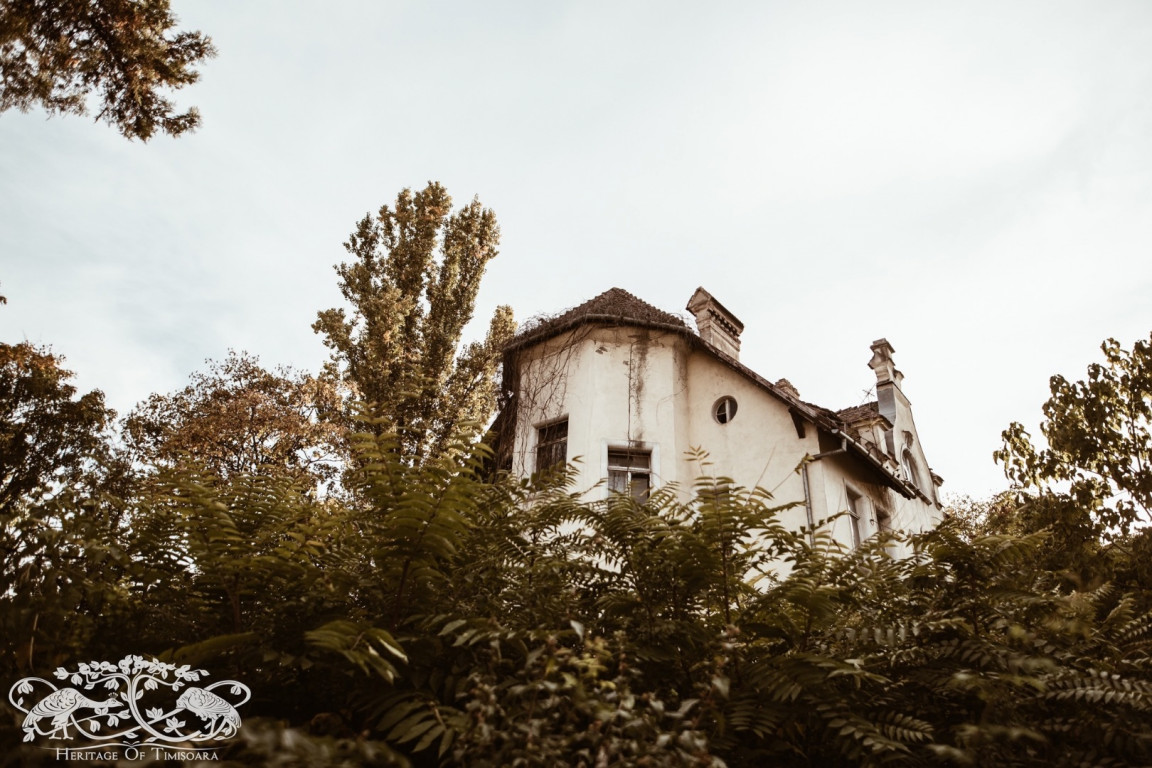
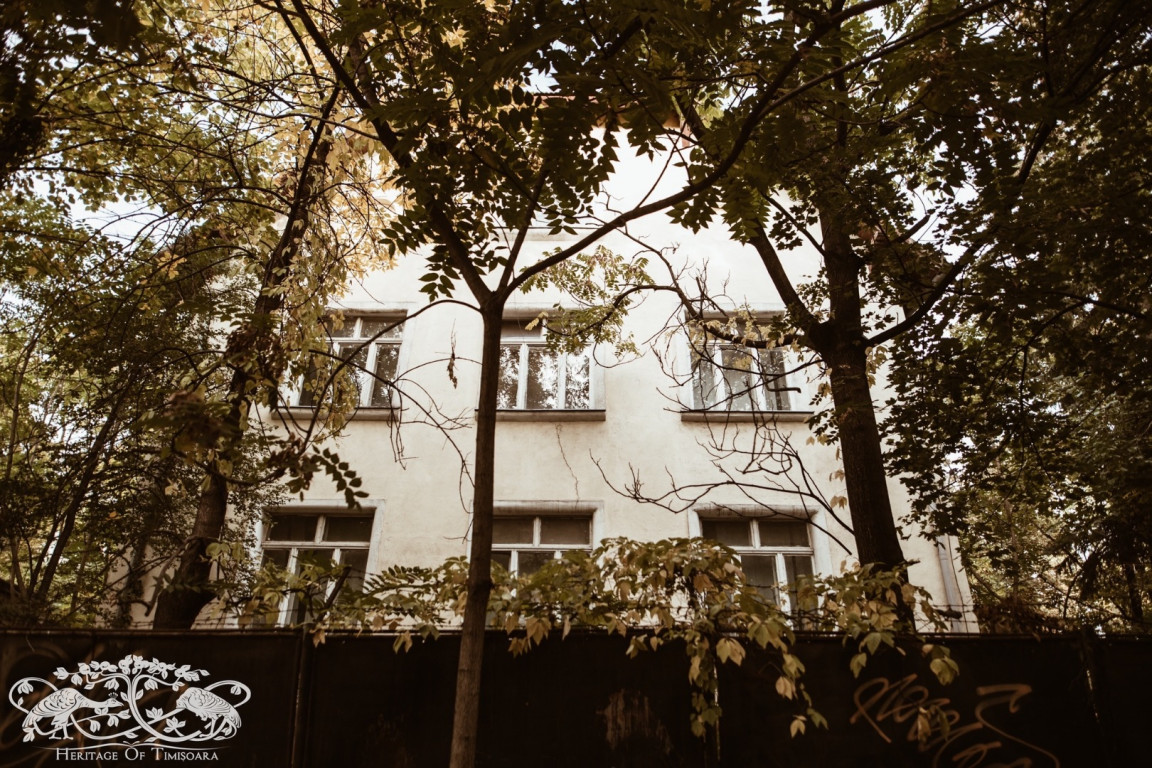
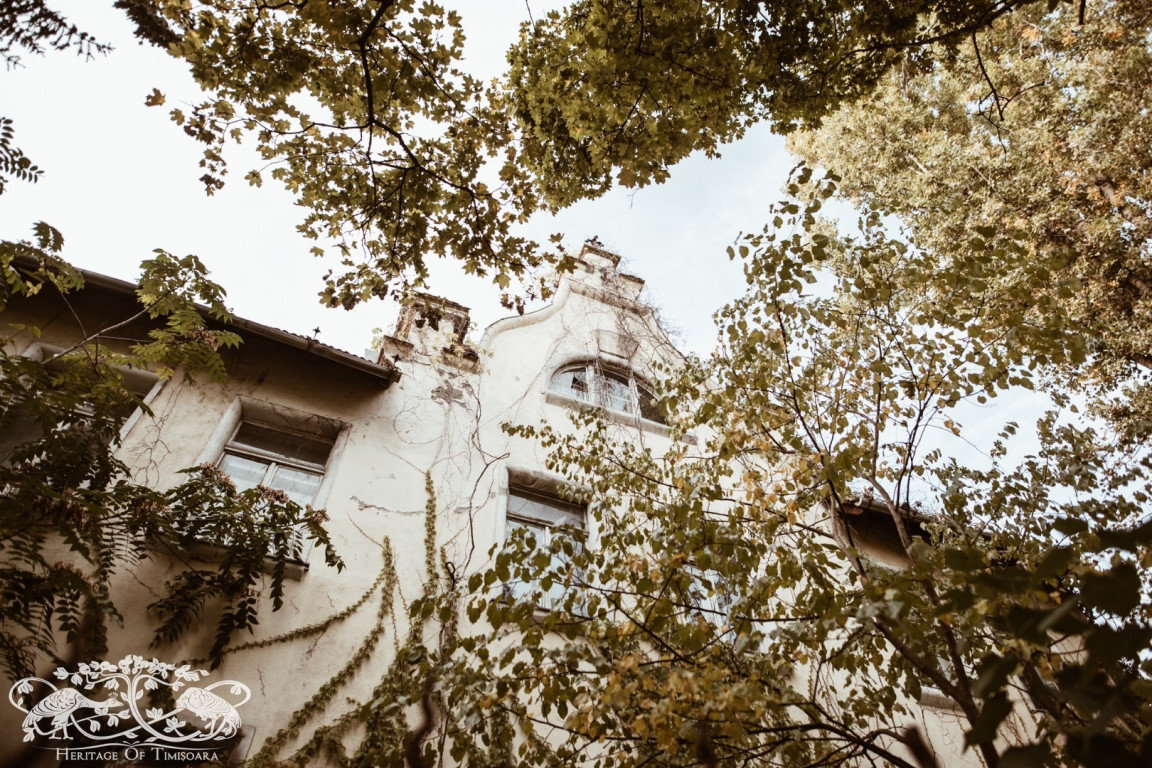
South Hungary Hat Factory Ltd. was established in 1896 with foreign capital and with the support of both the state and the municipality. As early as 1899, the Timișoara City Hall signed a contract with Phillipp Lustein and Wilhelm Keller, according to which the city granted free of charge a plot of land measuring two cadastral jugers (1,097 square fathoms) for the construction of a hat and cap factory.
The site was located near Scudier Park (today’s Central Park), on the street leading from the Thierry Swimming School to the railway viaduct and the Eduard (Ede) Reiter Villa. Under the terms of the contract, South Hungary Hat Factory Ltd. was exempt from paying municipal taxes for a period of ten years, during which it undertook to provide an annual subsidy of up to 3,000 crowns, equivalent to 50 crowns for each worker employed.
The factory buildings were erected between 1899 and 1900 according to the plans of the Viennese architect Ferdinand (Franz) Berehinak, while the execution of the works was coordinated and supervised by the Timișoara-based architect Eduard (Ede) Reiter, whose residence stood directly opposite the site, on what is today Anton Sailer Street (incorrectly listed as Anton Seiller Street in the official street nomenclature of Timișoara), at number 5.
In 1902, the factory complex was complemented by the administrative building described in this entry, constructed in the Secession style and today listed as an individual historical monument.
The hat factory began operating in the autumn of 1900. The joint-stock company was founded with an initial capital of 1 million crowns, under the presidency of Knight Eduard von West. The factory produced felt and wool hats, felt and rabbit-fur hats, felt and velour hats, among other types. The daily production capacity reached 500 caps, 150 dozen wool hats, 60 dozen rabbit-fur caps, and 20 dozen rabbit-fur hats.
Mechanical power was provided by steam engines of 200 horsepower, and the factory employed approximately 500 workers, around 70% of whom were women. In terms of social facilities, the factory included bathrooms, a dining hall, and several rest areas for employees. At the beginning of the 20th century, Fritz Schwarz served as general director, while Ernest Vermes was the commercial director.
From 1919 until the 1990s, the factory operated under the name Timișoara Hat Factory, having been nationalised during the communist regime, like all other industrial enterprises in the city. Between 1991 and 1995, it was privatised under the name PALTIM S.A. through the MEBO scheme. Further details about the factory can be found here. The factory ceased its activity in 2006.
In recent years, several initiatives emblematic for Timișoara’s cultural life operated within the buildings of the former Hat Factory, including the clubs DAOS and Road Patrol, and more recently the Basca Cultural Centre (2017–2019, a space used by the Solidart Association) and AMBASADA (2015–2019, a space used by the PLAI Cultural Centre Association). In the near future, the buildings of the former Timișoara Hat Factory are set to be demolished and replaced by a mixed-use residential development. From the former industrial platform, only the present building, which once housed the administrative offices of the enterprise, and one of the factory halls will be preserved.
An earlier version of this entry attributed the design of the factory (including the administrative building) to the Timișoara-based architect Eduard (Ede) Reiter, following the conclusions of several contemporary and later researchers. More recent studies, however, identify the Viennese architect Ferdinand (Franz) Berehinak as the author of the project.
Vintage photos
Send a postcard!
Illustration by Lucian Popovici
No material from this online platform/website may be partially or fully reproduced or modified without the prior explicit permission, by written consent of the PRIN BANAT Association. Terms & Conditions.